
A fast-moving thunderstorm swept across Beaufort County, bringing heavy rain, dangerous wind gusts, and localized flooding to communities throughout the area. Storms capable of producing winds between 50 and 60 mph can knock down trees, damage homes, create hazardous road conditions, and increase the risk of serious vehicle collisions. Residents in Beaufort, Port Royal, Lady’s Island, Burton, Shell Point, Laurel Bay, and nearby communities were urged to remain alert as weather conditions changed rapidly. Severe weather often leads to preventable injuries when property owners, drivers, or other parties fail to take reasonable precautions.
When severe weather strikes South Carolina, safety should always come first. Malchow Johnson Injury Lawyers understands that storms can leave families dealing with property damage, medical expenses, lost wages, and uncertainty about what comes next. Knowing how to prepare before a storm, respond safely during dangerous weather, and understand your legal options after a weather-related accident can help protect both your family and your future.







A Powerful Storm Moved Through Beaufort County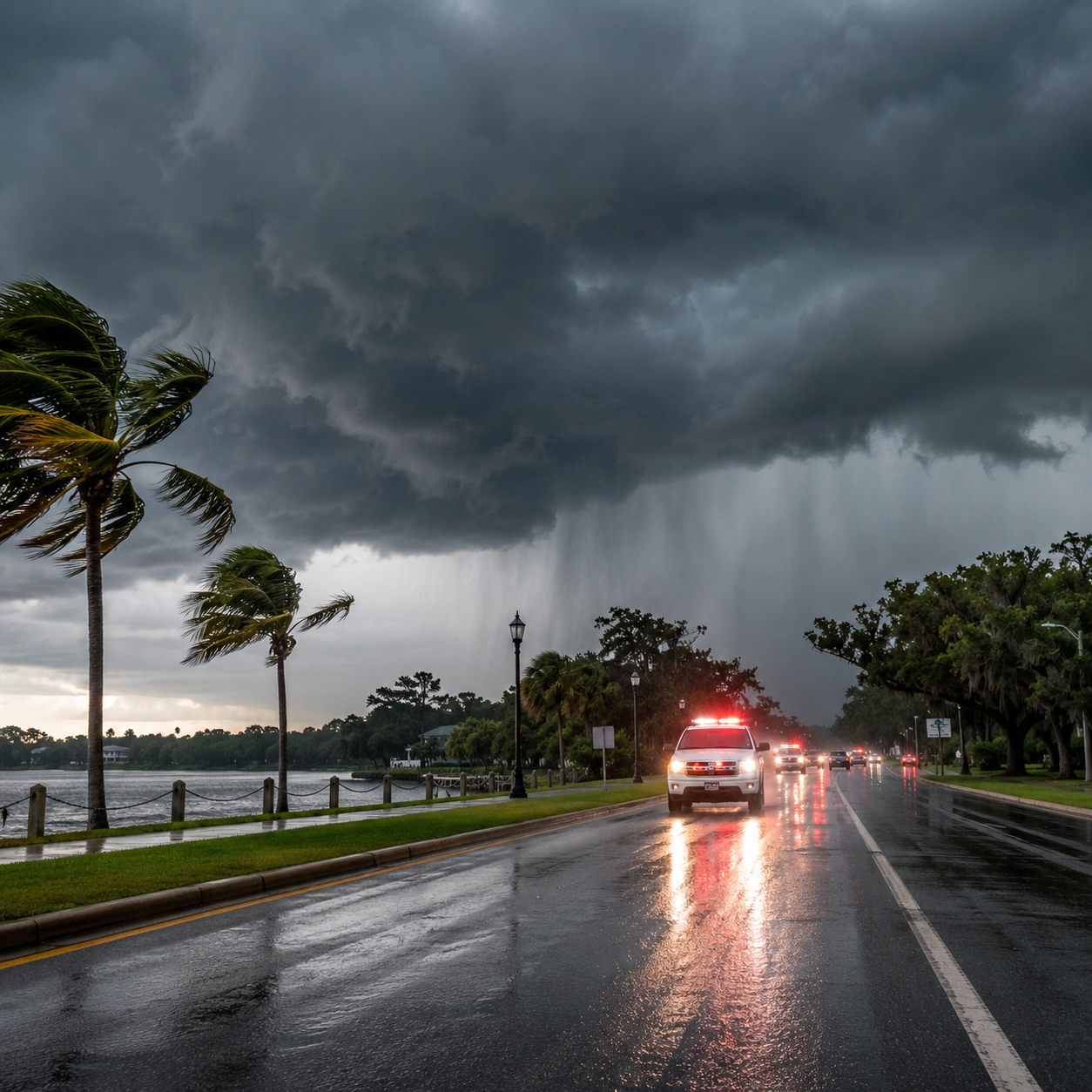
Late Sunday afternoon, weather conditions quickly worsened across Beaufort County as a fast-moving thunderstorm developed over the Beaufort area and moved eastward. Authorities monitored the storm using Doppler radar while warning residents about heavy rainfall, localized flooding, and damaging wind gusts.
The National Weather Service later issued a severe thunderstorm warning for Beaufort County as the storm intensified. Communities affected included:
- Beaufort
- Port Royal
- Lady’s Island
- Burton
- Shell Point
- Laurel Bay
- Marine Corps Air Station Beaufort
- Marine Corps Recruit Depot Parris Island
- Clarendon
- Chesterfield
As the storm continued toward Hilton Head Island and Fripp Island, officials warned that wind gusts could reach up to 50 to 60 mph. Winds of this strength can cause trees to fall, power lines to break, and unsecured objects to become dangerous airborne hazards.
Why Severe Thunderstorms Can Be So Dangerous
Many people underestimate thunderstorms because they often develop and move through an area quickly. Even a storm lasting less than an hour can produce conditions capable of causing serious injuries.
Common storm hazards include:
- Flash flooding
- Falling trees
- Downed utility lines
- Flying debris
- Roof damage
- Power outages
- Reduced visibility
- Dangerous driving conditions
Heavy rainfall can overwhelm drainage systems in only a few minutes, creating flooded roadways that appear shallow but may hide deep water or washed-out pavement.
Storm Conditions Increase the Risk of Vehicle Accidents
One of the greatest dangers during severe weather involves driving.
Rain dramatically reduces tire traction while making it more difficult to stop safely. Standing water may cause hydroplaning, where tires lose contact with the roadway. High winds can also push vehicles into adjacent lanes, particularly SUVs, trucks, vans, and motorcycles.
Drivers should always:
- Slow well below the posted speed limit.
- Increase following distance.
- Avoid flooded roads.
- Use headlights during heavy rain.
- Stay off the road if visibility becomes poor.
Even experienced drivers may struggle to maintain control during sudden wind gusts or torrential rainfall.
Attorney - Partner Attorney - Partner Associate Attorney Associate Attorney
Leland Malchow

Chris Johnson
Dane Anderson

Bailey Marshall
Flooded Roads Can Become Deadly
Floodwaters often appear harmless, but they can conceal serious hazards beneath the surface.
Only a small amount of moving water can carry away a vehicle. Roads may also be undermined by erosion or hidden debris.
Residents should never drive through standing water if its depth is unknown.
Floodwaters may contain:
- Broken pavement
- Open storm drains
- Sharp debris
- Electrical hazards
- Contaminated water
Turning around and finding an alternate route remains the safest decision.
Property Owners Have Responsibilities Before and After Storms
Storms do not excuse property owners from maintaining reasonably safe conditions.
After severe weather passes, hazards may remain for hours or even days.
Examples include:
- Loose roofing materials
- Fallen tree limbs
- Damaged stairways
- Broken handrails
- Standing water
- Poor lighting caused by power outages
Commercial property owners should inspect their premises promptly and warn visitors about known dangers.
Utility Hazards After Severe Weather
Downed power lines are among the most dangerous storm-related hazards.
Residents should assume every downed line is energized and remain well away from it.
Storm damage can also affect:
- Traffic signals
- Street lighting
- Telephone lines
- Utility poles
Motorists should treat intersections with inoperative traffic lights as four-way stops until power has been restored.
Injuries Commonly Seen After Severe Storms
Emergency rooms frequently treat storm-related injuries such as:
- Broken bones
- Head injuries
- Back injuries
- Lacerations
- Electrocution injuries
- Crush injuries
- Slip and fall injuries
- Vehicle accident injuries
Cleanup efforts also create risks. Falls from ladders, chainsaw accidents, and injuries caused by unstable trees occur every year following severe weather.

They made everything easy for me! Even when I lost faith in the car accident where a drunk driver hit me, they helped me through every process. They were quick as they could be and made everything easier for me while being in the process of my move to Japan for the Navy, full time student, and planning my own wedding. I appreciated the help. Thank you!”
- Julissa Evans
I had the pleasure of allowing Mr. Leland Malchow to represent my case and I would recommend 10star rating if possible. Not only was Mr. Leland very professional and knowledgeable, he also took the time to listen to my frustrations about my situation. He offered a listening ear, as well as some kind motivational advice. Our relationship has been through business only but I would extend a hand to him and the law firm from here on out. Thank you all and God Bless."
- Chris Rowland
Chris Johnson is an exceptional attorney for car wreck cases. His expertise, clear communication, thorough preparation, and effective negotiation skills led to a favorable outcome. With compassion and support, he guided me through the process, making him highly recommended for anyone in need of a skilled legal advocate."
- Jayko Robinett
Insurance Challenges After Storm Damage
Storm-related insurance claims are not always straightforward.
Insurance companies may question:
- The cause of damage
- The extent of property loss
- Medical treatment
- Vehicle repairs
- Business interruption losses
Keeping detailed documentation can make a significant difference during the claims process.
Helpful records include:
- Photographs
- Videos
- Medical records
- Repair estimates
- Receipts
- Insurance correspondence
When Another Party May Be Responsible
Although storms are natural events, negligence can still contribute to serious injuries.
Examples include:
- Drivers traveling too fast for weather conditions
- Commercial property owners ignoring dangerous conditions
- Employers requiring unsafe travel during hazardous weather
- Contractors leaving unsecured equipment outdoors
- Businesses failing to remove known hazards after a storm
Each situation depends on the specific facts surrounding the incident.
Steps to Take After a Storm-Related Injury
If you suffer injuries during or after severe weather:
- Seek immediate medical attention.
- Report the incident when appropriate.
- Take photographs of the scene.
- Preserve damaged property when possible.
- Keep copies of all medical bills and expenses.
- Avoid giving recorded statements before understanding your rights.
- Speak with an experienced personal injury attorney if negligence may have contributed to your injuries.
Prompt action can help preserve valuable evidence.
Severe Weather Preparedness Can Reduce Injuries
Residents should prepare before storms arrive by:
- Monitoring weather alerts.
- Charging electronic devices.
- Securing outdoor furniture.
- Trimming hazardous tree limbs.
- Preparing emergency supplies.
- Identifying safe shelter locations.
- Avoiding unnecessary travel during severe weather warnings.
Prepared families are often better positioned to avoid preventable injuries when dangerous weather develops quickly.
Speak With a Trusted Georgia or South Carolina Attorney Today
Severe thunderstorms can leave families dealing with injuries, damaged property, lost income, and difficult insurance claims. If you or someone you love was injured because another person’s negligence contributed to a storm-related accident in Georgia or South Carolina, Malchow Johnson Injury Lawyers is ready to help. Our experienced legal team will evaluate your situation, explain your options, and fight to protect your rights. Contact us today for a free, confidential consultation.
Related Videos
Choosing a Personal Injury Attorney
How Much Is My Personal Injury Claim Worth?


 |

 |