
August can create a demanding mix of conditions for motorcycle riders in Georgia. High heat, sudden thunderstorms, back-to-school traffic, vacation travel, road construction, bright sun glare, and rides that continue into dusk may all affect the same trip. August is not automatically Georgia’s deadliest month for motorcyclists every year, but the overlap of these conditions can increase exposure to crash risks.
Motorcyclists face greater physical exposure than people inside passenger vehicles. The National Highway Traffic Safety Administration reports that 6,228 motorcyclists were killed in traffic crashes in 2024, representing 16 percent of all U.S. traffic fatalities.
If another driver, a dangerous road condition, or another party causes a motorcycle crash, you may need to preserve evidence and address insurance issues quickly. Malchow Johnson Injury Lawyers helps injured riders in Augusta, Georgia, nearby communities, and other areas across Georgia and South Carolina understand their options. You can learn more from the firm’s Augusta motorcycle accident lawyers.
August does not cause motorcycle crashes. The danger comes from overlapping traffic, weather, visibility, and roadway conditions.







Why August Can Create More Motorcycle Risk 
Georgia has a long riding season, and motorcycles remain common on city streets, rural roads, and interstate corridors throughout August. Around Augusta and the Georgia-South Carolina border, you may share the road with commuters, school buses, parents returning to school routines, vacation traffic, delivery vehicles, construction crews, and drivers following unfamiliar navigation directions.
A single ride can include several changes. You may leave under bright afternoon sun, encounter a short rainstorm, enter a work zone, and return after sunset. Each change requires traction, visibility, space, and careful decisions from you and the drivers nearby.
For a broader seasonal discussion, read Why More Motorcycle Accidents Happen in Georgia During Summer Months.
Late-Summer Heat Can Affect Focus and Endurance
Georgia heat can contribute to dehydration, fatigue, headaches, and reduced concentration during a long ride. Protective clothing can trap heat, especially in slow traffic or during repeated stops. Drivers inside enclosed vehicles may also become distracted while adjusting climate controls, managing passengers, checking directions, or handling travel items.
You can reduce heat-related strain by planning breaks, drinking water, avoiding alcohol, and watching for signs that your concentration is fading. You should not continue riding when you feel dizzy, confused, weak, or unable to focus.
Your motorcycle also needs a basic pre-ride check. Tire pressure should be measured when the tires are cold and adjusted according to the motorcycle manufacturer’s recommendations. Inspect the tread, sidewalls, valves, lights, brakes, mirrors, and visible fluid leaks before a longer trip. The Georgia Department of Driver Services Motorcycle Operators Manual provides additional riding and equipment guidance.
Attorney - Partner Attorney - Partner Associate Attorney Associate Attorney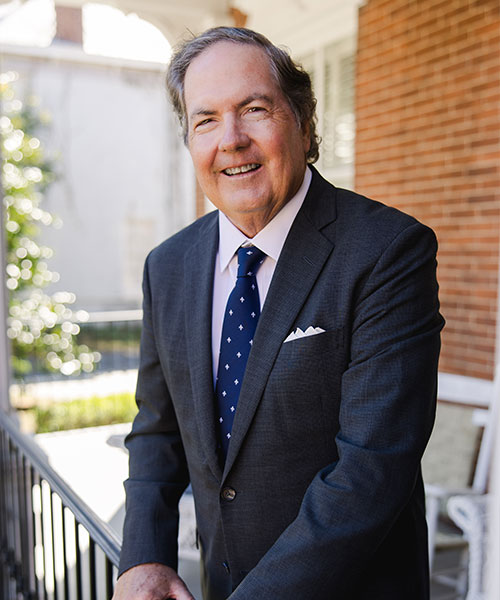
Leland Malchow
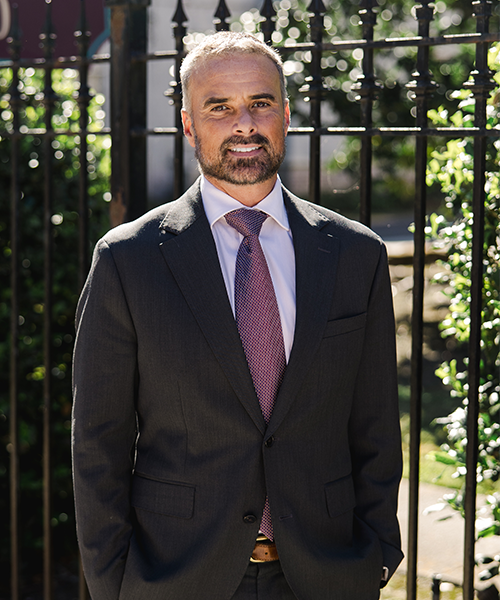
Chris Johnson
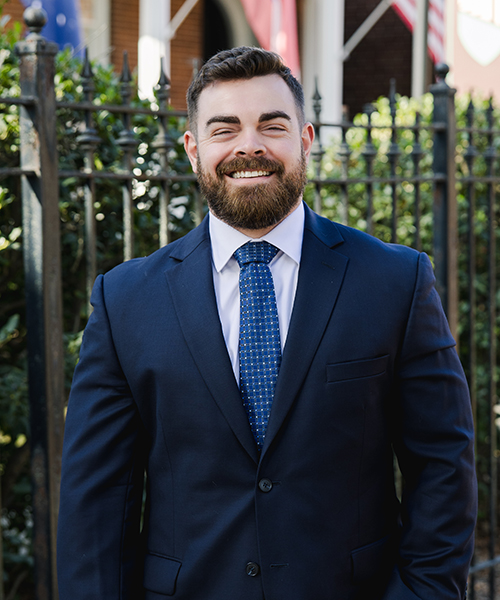
Dane Anderson
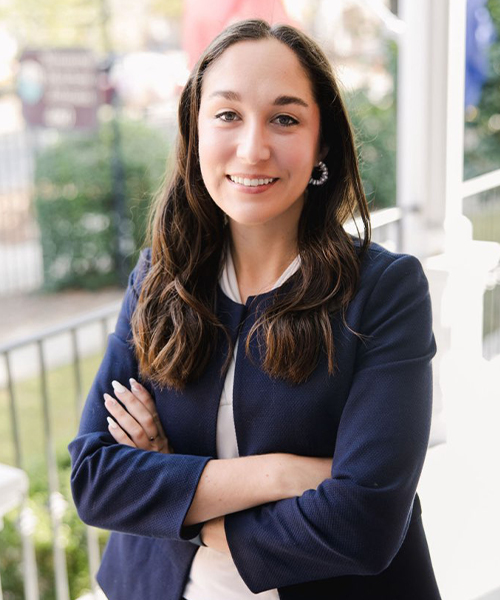
Bailey Marshall
Afternoon Storms Can Change the Road Quickly
Thunderstorms are common in Georgia during spring and summer. The National Weather Service warns that Georgia thunderstorms can bring heavy rain, strong winds, hail, lightning, and reduced visibility.
A dry road can become slick within minutes. Water may combine with oil, dust, leaves, and roadway residue. Painted lane markings, metal covers, bridge joints, construction plates, and areas with standing water may offer less traction when wet.
Rain can also reduce what drivers see through windows and mirrors. A driver may brake suddenly, drift from a lane, or move toward an exit without recognizing that a motorcycle is nearby.
When rain begins, you can protect yourself by:
- Reducing speed gradually.
- Increasing your following distance.
- Avoiding sudden braking, acceleration, or steering.
- Staying away from standing water when you can do so safely.
- Using your lights and maintaining a visible lane position.
- Stopping in a safe location when visibility becomes too poor for safe travel.
Back-to-School Traffic Changes Familiar Routes
August marks the return of school traffic in many Georgia communities. Roads that were quieter during summer break may suddenly include buses, parents entering or leaving school property, teen drivers, children near crosswalks, and vehicles stopping in unexpected locations.
These changes can create added risk for motorcyclists because drivers may focus on school entrances, signs, navigation prompts, passengers, or traffic officers instead of scanning for a smaller vehicle. A driver may make a late turn, pull away from a curb, or move across a lane without recognizing a nearby motorcycle.
You can reduce exposure by allowing more travel time, avoiding rushed passes, and expecting sudden stops near schools. Drivers still have a duty to look before turning, merging, leaving a parking area, or entering traffic.
They made everything easy for me! Even when I lost faith in the car accident where a drunk driver hit me, they helped me through every process. They were quick as they could be and made everything easier for me while being in the process of my move to Japan for the Navy, full time student, and planning my own wedding. I appreciated the help. Thank you!” - Julissa Evans I had the pleasure of allowing Mr. Leland Malchow to represent my case and I would recommend 10star rating if possible. Not only was Mr. Leland very professional and knowledgeable, he also took the time to listen to my frustrations about my situation. He offered a listening ear, as well as some kind motivational advice. Our relationship has been through business only but I would extend a hand to him and the law firm from here on out. Thank you all and God Bless." - Chris Rowland Chris Johnson is an exceptional attorney for car wreck cases. His expertise, clear communication, thorough preparation, and effective negotiation skills led to a favorable outcome. With compassion and support, he guided me through the process, making him highly recommended for anyone in need of a skilled legal advocate." - Jayko Robinett
Left Turns and Lane Changes Can Cause Severe Crashes
Many serious motorcycle crashes happen when a driver turns left across a rider’s path, enters from a driveway, or changes lanes without seeing the motorcycle. A motorcycle’s smaller profile can make speed and distance harder for some drivers to judge. Sun glare, shadows, visual clutter, blind spots, and heavy traffic can add to the problem.
Crowded commercial entrances, school-related congestion, construction detours, and unfamiliar drivers may increase these conflicts during August. A driver may see a motorcycle but still misjudge how quickly it is approaching.
You can improve your ability to respond by:
- Keeping your headlight on.
- Avoiding prolonged travel in blind spots.
- Watching the front wheels of vehicles waiting to turn.
- Leaving space for an escape path.
- Reducing speed near driveways and intersections.
- Avoiding a lane position that hides you behind another vehicle.
These precautions can reduce risk, but they do not excuse a driver who fails to yield or makes an unsafe lane change.
Road Construction and Debris Can Be More Dangerous on Two Wheels
Road work often continues through August. Work zones may contain uneven pavement, loose gravel, grooved surfaces, shifted lanes, temporary markings, steel plates, narrowed shoulders, and construction vehicles entering or leaving the roadway.
A surface change that causes a small jolt in a passenger vehicle can destabilize a motorcycle. Riders may also face tire fragments, branches, spilled cargo, or construction materials with little room to move around the hazard.
When a road defect or work-zone condition contributes to a crash, responsibility may depend on who controlled the area, whether warnings were present, whether the condition should have been corrected, and whether a contractor or government entity received notice. Claims involving public agencies can have notice rules and deadlines that differ from ordinary injury cases. Prompt legal review can help identify the correct parties and procedures.
Choosing a Personal Injury Attorney How Much Is My Personal Injury Claim Worth?Related Videos
Sun Glare and Dusk Can Reduce Visibility
August rides often include trips to lakes, events, restaurants, and family gatherings. A ride that begins in daylight may continue through sunset or after dark.
Low sun can make traffic signals, brake lights, lane markings, and motorcycles harder to see. After sunset, you may face reduced depth perception, animals near the roadway, impaired drivers, and vehicles with missing or poorly aimed lights. Fatigue after a day in heat and traffic may make these conditions harder to manage.
Before leaving, consider the route, expected return time, weather forecast, and available stopping points. Clean your visor, confirm that your lights work, and take breaks when your attention begins to decline.
What to Do After an August Motorcycle Crash
Your health comes first. Call 911, request law enforcement, accept emergency evaluation, and follow medical recommendations. Some injuries may not produce clear symptoms at the scene.
When your condition permits, preserve evidence or ask another person to help:
- Photograph the motorcycle, other vehicles, debris, skid marks, traffic controls, and road surface.
- Record rain, glare, standing water, construction, lane changes, or other relevant conditions.
- Collect witness names and contact information.
- Identify nearby homes, businesses, buses, traffic cameras, or vehicles that may have video.
- Keep your helmet, protective clothing, damaged parts, towing records, and repair estimates.
- Save medical bills, work notes, wage records, insurance letters, and out-of-pocket expense receipts.
- Avoid detailed social media posts about the crash, your injuries, or your activities.
- Use care when an insurer requests a broad recorded statement or a quick release.
The firm’s guide on What to Do After a Motorcycle Accident in Georgia explains these early steps in more detail. You should also review Common Mistakes After a Motorcycle Accident before signing a release or discussing fault with an adjuster.
How Georgia Fault Rules May Affect Your Claim
Georgia uses a modified comparative fault system. Under Georgia Code Section 51-12-33, compensation may be reduced according to the injured person’s percentage of fault. A person who is 50 percent or more responsible generally cannot recover damages from another party.
An insurer may claim that you were speeding, following too closely, riding outside the lane, failing to use lights, or reacting too late. Those claims should be compared with photographs, video, witness accounts, vehicle damage, electronic data, roadway evidence, medical records, and traffic rules.
Depending on the facts, a motorcycle injury claim may involve:
- Past and future medical expenses.
- Lost income and reduced earning capacity.
- Motorcycle repair or replacement costs.
- Pain and physical limitations.
- Scarring or disfigurement.
- Rehabilitation and assistive equipment.
- Other documented financial and personal losses.
The firm’s page on Available Motorcycle Accident Compensation explains several categories that may apply.
Georgia personal injury lawsuits are generally subject to a two-year filing period under Georgia Code Section 9-3-33. Exceptions, government defendants, criminal proceedings, and other circumstances may affect the deadline. Evidence can disappear long before a filing period ends. Video may be overwritten, vehicles may be repaired, road conditions may change, and witnesses may become harder to locate.
How a Motorcycle Accident Lawyer Can Help
A motorcycle accident lawyer can investigate the scene, request available video, locate witnesses, inspect the motorcycle, preserve damaged parts, review insurance policies, and respond to efforts to place unfair blame on you.
Serious cases may require accident reconstruction, medical opinions, vocational analysis, engineering review, or other qualified experts. A legal team can organize the evidence, document losses, communicate with insurers, identify every potentially responsible party, and prepare the case for negotiation or trial when needed.
Leland Malchow has experience with motorcycle collision claims and previously spent close to a decade defending insurance companies. That background can help the firm evaluate insurer strategies from both sides of a claim.
Speak With a Georgia Motorcycle Accident Lawyer
An August motorcycle crash can leave you facing medical care, missed work, transportation problems, motorcycle damage, and insurance pressure. You do not have to sort through those issues alone.
Malchow Johnson Injury Lawyers has served injured clients since 1985 and keeps the firm small to provide one-on-one attention. The firm offers free consultations to injured riders in Augusta, Georgia, nearby communities, and other areas across Georgia and South Carolina.
Call (706) 724-8890 or visit the firm’s contact page to discuss your situation and the steps that may apply.
This article is for general informational purposes only. It is not legal advice and does not create a lawyer-client relationship. Every case depends on its facts, applicable law, and filing deadlines.