A recent boat fire at Brunswick Landing Marina serves as a reminder that boating emergencies can happen with little warning, even when vessels are docked. Fortunately, no injuries were reported, though the owner lost the vessel that also served as a home.
Whether you enjoy weekends on Clarks Hill Lake, Lake Hartwell, Lake Thurmond, Lake Lanier, or the South Carolina coast, taking a few preventive steps can significantly reduce the risk of fires, explosions, and other boating accidents. This guide explains how to stay safe on the water, protect your passengers, and reduce risks at marinas throughout Georgia and South Carolina.





Boat Fires Can Happen Faster Than Many People Realize
For many people, boating represents relaxation and family time. Few boat owners expect a routine outing or an afternoon at the marina to turn into an emergency.
Boat fires often spread much faster than fires in homes because vessels contain:
- Gasoline or diesel fuel
- Engine oil
- Batteries
- Electrical wiring
- Fiberglass materials
- Upholstery and other combustible materials
Strong winds across open water can make a small fire grow within minutes, leaving little time to react.
Common Causes of Boat Fires
Many boating fires are preventable with proper maintenance and careful operation.
Some of the most common causes include:
- Electrical system failures
- Fuel leaks
- Improper battery installation
- Engine overheating
- Faulty shore power connections
- Improper fueling procedures
- Lithium battery failures
- Poor maintenance
Even older boats that appear well maintained can develop hidden electrical or fuel system problems over time.
Prevent Fuel Vapor Explosions
One of the most dangerous boating emergencies involves fuel vapors collecting inside the engine compartment.
Gasoline vapors are heavier than air and can accumulate in enclosed spaces.
Before starting the engine:
- Open the engine compartment.
- Check for fuel odors.
- Inspect fuel lines.
- Run the bilge blower for several minutes on gasoline-powered inboard boats.
- Never ignore the smell of gasoline.
Investigators have linked some boat explosions to operators failing to ventilate the engine compartment before starting the engine.
Attorney - Partner Attorney - Partner Associate Attorney Associate Attorney
Leland Malchow

Chris Johnson
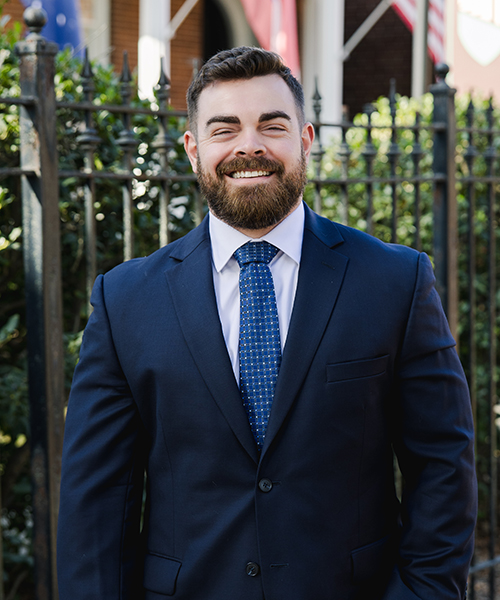
Dane Anderson
Bailey Marshall
Electrical Safety Matters
Electrical failures remain one of the leading causes of marina fires.
Boat owners should:
- Inspect shore power cords regularly.
- Replace cracked or damaged cords immediately.
- Avoid overloaded electrical outlets.
- Keep battery terminals clean.
- Have electrical systems inspected by qualified marine technicians.
- Disconnect damaged equipment immediately.
Improper electrical connections can overheat without obvious warning signs.
Practice Safe Fueling
Fueling is one of the highest-risk activities during any boating trip.
Always:
- Turn off engines.
- Extinguish cigarettes.
- Shut off electrical equipment when appropriate.
- Keep passengers off the vessel if recommended by the marina.
- Avoid spilling fuel.
- Wipe away spilled gasoline immediately.
- Ventilate before restarting.
Never rush the fueling process.
Carry Proper Fire Safety Equipment
Every boat should have functioning emergency equipment.
Recommended items include:
- Coast Guard-approved fire extinguishers
- Life jackets for every passenger
- Throwable flotation devices
- Visual distress signals
- Marine radio
- First aid kit
- Flashlight
- Emergency whistle
Boat owners should also know exactly where each fire extinguisher is stored and how to use it.
Inspect Fire Extinguishers Regularly
Fire extinguishers do not last forever.
Check them for:
- Proper pressure
- Visible damage
- Corrosion
- Expiration dates
- Secure mounting
A fire extinguisher buried beneath storage gear may not be accessible when every second counts.

They made everything easy for me! Even when I lost faith in the car accident where a drunk driver hit me, they helped me through every process. They were quick as they could be and made everything easier for me while being in the process of my move to Japan for the Navy, full time student, and planning my own wedding. I appreciated the help. Thank you!”
- Julissa Evans
I had the pleasure of allowing Mr. Leland Malchow to represent my case and I would recommend 10star rating if possible. Not only was Mr. Leland very professional and knowledgeable, he also took the time to listen to my frustrations about my situation. He offered a listening ear, as well as some kind motivational advice. Our relationship has been through business only but I would extend a hand to him and the law firm from here on out. Thank you all and God Bless."
- Chris Rowland
Chris Johnson is an exceptional attorney for car wreck cases. His expertise, clear communication, thorough preparation, and effective negotiation skills led to a favorable outcome. With compassion and support, he guided me through the process, making him highly recommended for anyone in need of a skilled legal advocate."
- Jayko Robinett
Marina Safety Is Everyone’s Responsibility
Marinas bring many vessels together in close proximity.
One fire can quickly threaten neighboring boats, docks, and nearby buildings.
When visiting a marina:
- Observe posted safety rules.
- Follow no-smoking policies.
- Store fuel properly.
- Keep walkways clear.
- Report damaged electrical equipment immediately.
- Never block emergency access points.
Good communication between marina operators and boat owners helps prevent emergencies.
Watch the Weather Before Heading Out
Weather conditions can change rapidly across Georgia and South Carolina.
High winds, lightning, and rough water increase accident risks.
Before launching:
- Review weather forecasts.
- Watch for changing conditions.
- Carry reliable communication devices.
- Return to shore early if storms develop.
No boating trip is worth risking severe weather.
Wear Life Jackets
Fire is only one boating hazard.
Falls overboard remain a leading cause of boating fatalities.
Every passenger should have a properly fitted life jacket.
Children should wear life jackets whenever they are on or near the water.
Keep Children Safe Around Marinas
Marinas contain hazards that young children may not recognize.
Parents should:
- Maintain close supervision.
- Avoid running on docks.
- Teach children not to play near electrical pedestals.
- Explain emergency procedures before leaving the dock.
Dock surfaces may become slippery from algae, rain, or spilled fuel.
Alcohol and Boating Do Not Mix
Alcohol slows reaction time and impairs judgment.
Operating a boat while impaired increases the risk of:
- Collisions
- Falls overboard
- Docking accidents
- Fires caused by operator error
Designating a sober operator helps protect everyone onboard.
Create an Emergency Plan
Every passenger should know what to do during an emergency.
Discuss:
- Life jacket locations
- Fire extinguisher locations
- Emergency exits
- Radio operation
- Emergency contact procedures
Simple preparation reduces panic if an emergency occurs.
Related Videos
Choosing a Personal Injury Attorney
How Much Is My Personal Injury Claim Worth?
After a Boat Fire
If a fire starts:
- Stop the engine if it is safe to do so.
- Move passengers away from the fire.
- Call emergency services immediately.
- Use fire extinguishers only if the fire is small and escape remains possible.
- Prepare to abandon the vessel if instructed.
Never reboard a burning vessel.
When Negligence Causes a Boating Accident
Not every boating accident results from unavoidable circumstances.
Serious injuries may occur because of:
- Defective equipment
- Improper marina maintenance
- Electrical hazards
- Fuel system defects
- Negligent boat operation
- Unsafe repairs
When negligence contributes to a boating accident, injured victims may have legal rights under Georgia or South Carolina law.
Speak With a Trusted Georgia or South Carolina Attorney Today
A day on the water should end with good memories, not serious injuries or devastating property loss. If you or someone you love has been injured in a boating accident or marina incident in Georgia or South Carolina, Malchow Johnson Injury Lawyers can help evaluate your legal options. Contact our team today for a confidential, free consultation.
Client Testimonials
Construction Accident Client Testimonial
Workers' Comp Client Testimonial

 |

 |