Busy Augusta intersections and highway interchanges can require added attention during summer travel. Vacation traffic, unfamiliar drivers, changing weather, commercial entrances, merging lanes, and vehicles moving at different speeds can create sudden hazards. Areas near Washington Road, Wrightsboro Road, Gordon Highway, Bobby Jones Expressway, Windsor Spring Road, and Peach Orchard Road often involve several turning or merging movements.
These locations are not presented as a ranking of Augusta’s most dangerous intersections. Current crash data would be needed to support that claim. They are busy areas where drivers should prepare early, reduce distractions, allow more following distance, and expect unexpected stops or lane changes.






Why Summer Driving Can Change Augusta Traffic Patterns 
Summer can bring vacation travel, visitors, young drivers with more time on the road, and trips to hotels, restaurants, shopping centers, medical offices, and recreation areas. Drivers who do not know Augusta’s road network may rely heavily on navigation applications.
A driver may notice a turn too late and brake suddenly, move across several lanes, or enter a turn lane without checking for another vehicle. Those actions can contribute to rear-end crashes, sideswipes, left-turn collisions, and merging accidents.
Summer weather can also change road conditions quickly. Heavy rain may reduce visibility and traction. Water can collect on parts of the roadway, and lane markings may become harder to see. Bright sunlight can create glare near traffic signals and make it harder to identify a changing light or an approaching vehicle.
Common summer intersection hazards include:
- Sudden lane changes near turns or interstate ramps
• Rear-end crashes in slow or stopped traffic
• Left-turn collisions caused by a failure to yield
• Vehicles entering from shopping centers or side streets
• Reduced traction during rain
• Pedestrians and cyclists near commercial areas
• Distraction involving phones, passengers, food, or navigation screens
• Driver fatigue during long trips
Wheeler Road, Marks Church Road, and Robert C. Daniel Jr. Parkway
This area serves medical offices, hotels, restaurants, stores, and drivers traveling toward major highways. Vehicles approach from several directions, and motorists may need to select the correct lane before reaching the intersection.
Drivers who are unfamiliar with the area may change lanes suddenly after noticing an upcoming turn. Congestion can also increase rear-end crash risks when motorists follow too closely or fail to notice stopped traffic.
Choose the correct lane early, leave enough room to stop, and watch for vehicles entering from nearby businesses.
Attorney - Partner Attorney - Partner Associate Attorney Associate Attorney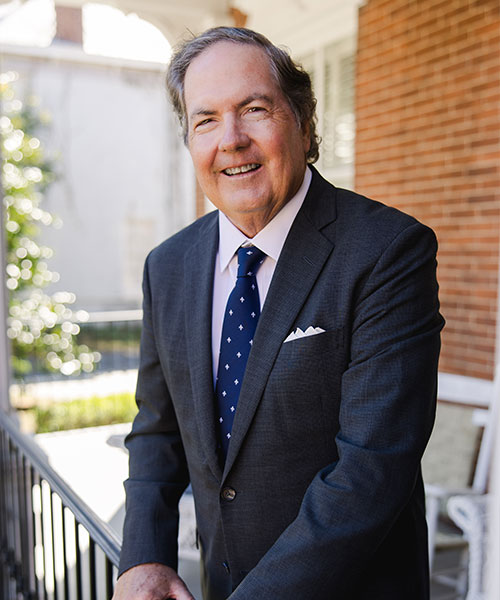
Leland Malchow

Chris Johnson
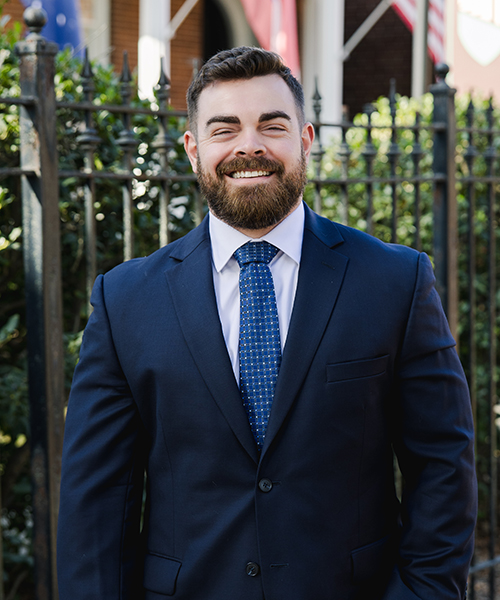
Dane Anderson
Bailey Marshall
I-520 and Wrightsboro Road
The area near Wrightsboro Road and I-520, also known as Bobby Jones Expressway, carries local commuters, interstate traffic, and motorists traveling to nearby shopping areas.
Crash risks can arise on ramps, near traffic signals, at commercial entrances, and where lanes merge. A driver leaving the expressway may still be traveling quickly and may not recognize that traffic ahead has stopped.
Reduce speed before reaching the end of an exit ramp. Do not assume that another vehicle will complete a turn or merge as expected.
Wrightsboro Road, Leg Road, and Jackson Road
This area carries through traffic while providing access to businesses and surrounding neighborhoods. Vehicles turning left may need to cross several lanes of approaching traffic.
A side-impact collision can occur when a driver turns without enough space or enters the intersection after the signal changes. Because the side of a vehicle generally offers less protection than the front, these crashes can cause serious injuries.
Look beyond the traffic signal and scan the full intersection. A green light does not guarantee that every approaching driver will stop, yield, or remain in the correct lane.
Gordon Highway and Wheeless Road
Gordon Highway is used by passenger vehicles, buses, commercial vehicles, and large trucks. Near Wheeless Road, drivers may cross or turn through several lanes while other vehicles continue at higher speeds.
Crashes may occur when a driver turns left in front of approaching traffic, enters Gordon Highway from a side road, or fails to slow for stopped vehicles. Glare, rain, heat, and congestion can make those decisions harder.
Avoid accelerating to pass through a yellow light. Confirm that approaching traffic has stopped before entering the highway, even when the signal gives you the right of way.
They made everything easy for me! Even when I lost faith in the car accident where a drunk driver hit me, they helped me through every process. They were quick as they could be and made everything easier for me while being in the process of my move to Japan for the Navy, full time student, and planning my own wedding. I appreciated the help. Thank you!” - Julissa Evans I had the pleasure of allowing Mr. Leland Malchow to represent my case and I would recommend 10star rating if possible. Not only was Mr. Leland very professional and knowledgeable, he also took the time to listen to my frustrations about my situation. He offered a listening ear, as well as some kind motivational advice. Our relationship has been through business only but I would extend a hand to him and the law firm from here on out. Thank you all and God Bless." - Chris Rowland Chris Johnson is an exceptional attorney for car wreck cases. His expertise, clear communication, thorough preparation, and effective negotiation skills led to a favorable outcome. With compassion and support, he guided me through the process, making him highly recommended for anyone in need of a skilled legal advocate." - Jayko Robinett
Bobby Jones Expressway and Peach Orchard Road
The interchange near I-520 and Peach Orchard Road includes ramps, traffic signals, and nearby roads. Drivers may be traveling toward Windsor Spring Road, nearby neighborhoods, stores, or other businesses.
Possible collision patterns include:
- Sideswipes during lane changes
• Rear-end crashes near exit ramps
• Merging collisions
• Crashes caused by missed exits
• Right-turn and left-turn conflicts
• Truck crashes involving longer stopping distances
Expect unfamiliar drivers to brake or change lanes without much warning. Increase the space between your vehicle and the vehicle ahead.
Windsor Spring Road and Tobacco Road
This intersection connects residential areas, commercial properties, restaurants, and other local destinations. Traffic may become congested when vehicles turn into nearby businesses or travel through the area during commuting periods.
A driver may cause a collision by following too closely, failing to yield during a left turn, or entering after the light changes. Pedestrians may also be present near commercial properties.
Check crosswalks before turning. Waiting an extra moment before entering the intersection may help you avoid a driver who runs a red light or attempts a late turn.
Choosing a Personal Injury Attorney How Much Is My Personal Injury Claim Worth?Related Videos
Washington Road and Boy Scout Road
Washington Road is a busy Augusta commercial corridor. The area near Boy Scout Road includes hotels, restaurants, stores, and routes used by residents and visitors.
Traffic can become difficult when vehicles enter Washington Road from parking lots, stop suddenly for turns, or cross several lanes to reach a business. Summer visitors may not know where entrances, exits, or turn lanes begin.
Keep your attention on surrounding traffic instead of navigation screens or roadside businesses. Do not enter an intersection unless traffic ahead leaves enough room for you to clear it.
Washington Road and I-20
The interchange at Washington Road and I-20 combines interstate traffic, exit ramps, hotels, restaurants, and local congestion. Drivers entering or leaving the interstate may need to adjust speed quickly, while traffic on Washington Road may stop with little warning.
Rear-end and merging crashes are common concerns near busy interchanges. A driver who looks over one shoulder while merging may not see that the vehicle ahead has stopped. Another driver may move across several lanes after missing an entrance ramp.
Identify your route before reaching the interchange, maintain a safe following distance, and avoid abrupt lane changes.
How You Can Reduce Your Risk at Busy Intersections
Careful driving cannot prevent every crash, but it can reduce avoidable risks.
- Approach busy intersections at a controlled speed.
• Leave enough distance to stop if traffic backs up or a signal changes.
• Enter the correct lane before reaching the intersection.
• Do not follow another vehicle into an intersection unless you have room to clear it.
• Reduce speed and increase following distance during rain.
• Turn on your headlights when visibility is poor.
• Watch for standing water, debris, damaged signals, and faded lane markings.
• Set navigation instructions before driving.
• Continue to a safe place to reverse direction after a missed turn instead of crossing several lanes suddenly.
A Missed Turn Is Safer Than a Sudden Lane Change
Continue to the next safe location when you miss a turn or exit. A few extra minutes are better than forcing your vehicle across moving traffic.
What to Do After an Augusta Intersection Crash
The first priorities after a collision are safety and medical care.
- Call 911 and request police assistance.
• Move away from active traffic when it is safe to do so.
• Do not leave the scene.
• Photograph vehicle positions, damage, traffic signals, lane markings, debris, weather conditions, and nearby businesses.
• Exchange contact and insurance information with the other driver.
• Collect witness names and telephone numbers when possible.
• Avoid arguing about fault.
• Seek medical care for pain, dizziness, confusion, numbness, or other symptoms.
Some concussion, neck, back, and soft-tissue symptoms may not appear immediately. Medical evaluation can protect your health and create a record of when your symptoms began.
Learn more about the steps to take after an Augusta car accident:
https://www.nmjfirm.com/car-accident/steps-to-take-after-a-car-accident-in-augusta/
Review common mistakes that may affect a Georgia car accident claim:
https://nmjfirm.com/common-mistakes-after-a-car-accident/
Read tips for protecting a car accident claim:
https://nmjfirm.com/car-accident/tips-for-a-successful-car-accident-claim/
How Georgia Fault Rules May Affect Your Claim
A car accident claim generally requires evidence that another driver failed to use reasonable care and caused your injuries or losses. Evidence may include a police report, photographs, video, witness statements, vehicle damage, medical records, phone records, and crash-reconstruction findings.
Georgia follows a modified comparative fault rule under O.C.G.A. § 51-12-33. Your compensation may be reduced by your assigned percentage of fault. If you are found 50 percent or more responsible, you generally cannot recover damages from another party.
Insurance companies may dispute speed, signal color, lane position, visibility, or whether an injured driver could have avoided the crash. Preserving evidence early can help address those disputes.
Speak With an Augusta Car Accident Lawyer
An intersection crash can leave you managing medical appointments, missed work, vehicle repairs, and insurance calls. Malchow Johnson Injury Lawyers represents injured people in Augusta, Georgia, and nearby communities in Georgia and South Carolina.
The firm has served injured clients since 1985 and keeps its legal team focused on personal attention. An attorney can investigate the collision, request available video, review insurance coverage, communicate with adjusters, and evaluate documented losses.
Learn about Augusta car accident representation:
https://nmjfirm.com/augusta-car-accident-lawyers/
Learn what to consider when choosing a car accident attorney in Augusta:
https://nmjfirm.com/car-accident/choosing-a-car-accident-attorney-in-augusta/
Contact Malchow Johnson Injury Lawyers:
https://nmjfirm.com/contact-us/
Call: tel:7067248890
Telephone: (706) 724-8890
This article is for informational purposes only and is not legal advice. Speak with an attorney about your specific situation.

 |

 |