
As the weather warms across Georgia, residents naturally spend more time outside, enjoying parks, neighborhoods, and recreational areas. This increased outdoor activity, while refreshing, unfortunately coincides with a higher incidence of dog bite injuries. Malchow Johnson Injury Lawyers has seen a noticeable rise in personal injury cases stemming from dog attacks during spring and early summer, reflecting the seasonal pattern of canine-related incidents. Dogs, just like humans, respond to environmental changes, and the heightened social interactions that come with warmer months can create scenarios where bites are more likely to occur. Recognizing these seasonal risks is essential for families, pet owners, and anyone interacting with dogs in public or private spaces.







Why Warmer Weather Triggers More Dog Attacks 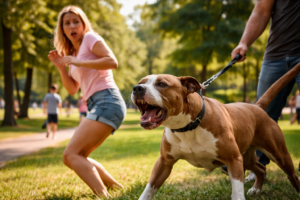
The rise in dog attacks during spring in Georgia is not random. Warmer temperatures encourage both humans and dogs to spend more time outdoors, which naturally increases the opportunities for interactions. For dogs that are not properly trained or socialized, these encounters can lead to defensive or aggressive behavior. Dogs are often protective of their territory, their owners, or even their toys, and the increased activity during spring can trigger these instincts. Additionally, many dogs experience heightened energy levels during longer daylight hours, leading to more playful but sometimes unpredictable behavior. Spring is also a time of festivals, holidays, and neighborhood gatherings, which can overwhelm pets and increase the risk of biting incidents.
Common Situations That Lead to Dog Bites
There are several scenarios where dog bites are more likely in Georgia during the spring months. Children playing outside are often the most vulnerable, as dogs may react defensively to sudden movements or unfamiliar faces. Dog parks and community trails, while enjoyable for pets, can become high-risk areas if dogs are allowed off-leash and encounter strangers or other animals. Even familiar pets can react unpredictably when overstimulated by crowds, noise, or the presence of other dogs. It is also not uncommon for bites to occur when dogs are approached while eating, sleeping, or caring for puppies. Understanding these situations can help residents take precautionary steps to minimize risk.
Identifying High-Risk Dogs and Behavioral Triggers
While any dog can bite under the right circumstances, certain factors make some dogs more prone to aggressive behavior. Dogs that have not been properly socialized may react with fear or aggression when meeting new people or animals. A dog’s breed may influence tendencies, but it is often training, temperament, and supervision that are the decisive factors. Dogs left unsupervised in yards, tied outside, or placed in stressful environments are more likely to bite. Signs of stress in dogs, such as growling, stiff posture, raised fur, or prolonged staring, should be recognized as warning signals to prevent bites before they occur. Pet owners must understand these behaviors to prevent potentially serious injuries.
Attorney - Partner Attorney - Partner Associate Attorney Associate Attorney
Leland Malchow

Chris Johnson

Dane Anderson

Bailey Marshall
Preventive Measures for Families and Dog Owners
Effective prevention of dog bites relies on awareness and proactive measures. Families should teach children how to approach dogs safely, emphasizing that they should never run toward a dog, pull its tail or ears, or attempt to hug a dog without permission. Owners should keep dogs on a leash in public areas, use secure fencing at home, and ensure that pets are socialized and trained. Monitoring a dog’s behavior and removing it from situations that cause stress or overstimulation is critical. Simple precautions, such as carrying water for pets during outdoor activities and avoiding hot asphalt that can agitate a dog, can reduce the likelihood of attacks. Consistent training and positive reinforcement help ensure that dogs respond appropriately in social situations.
What to Do If a Dog Bite Occurs
Despite careful prevention, dog bites may still happen. Immediate action is essential. Victims should clean the wound, seek medical attention to prevent infection, and ensure proper documentation of the injury. Reporting the incident to local animal control or the public health department is required in some jurisdictions in Georgia and can help track aggressive dogs in the community. Collecting details such as the dog’s description, owner’s information, and witness statements can support potential legal claims. Photographs of injuries and medical reports serve as critical evidence when pursuing compensation for damages. Consulting with experienced attorneys ensures that victims understand their rights and options.
Legal Considerations in Georgia Dog Bite Cases
Georgia law can hold dog owners liable for injuries if they knew or should have known that their dog might bite. Malchow Johnson Injury Lawyers frequently assists victims in navigating these legal protections. Victims may be entitled to compensation for medical expenses, ongoing treatment, lost wages, and emotional distress caused by the attack. Documenting the incident carefully and pursuing legal guidance promptly can make a significant difference in the recovery process. Understanding the owner’s responsibilities under Georgia law helps victims take the necessary steps to protect their health and obtain appropriate restitution.
They made everything easy for me! Even when I lost faith in the car accident where a drunk driver hit me, they helped me through every process. They were quick as they could be and made everything easier for me while being in the process of my move to Japan for the Navy, full time student, and planning my own wedding. I appreciated the help. Thank you!” - Julissa Evans I had the pleasure of allowing Mr. Leland Malchow to represent my case and I would recommend 10star rating if possible. Not only was Mr. Leland very professional and knowledgeable, he also took the time to listen to my frustrations about my situation. He offered a listening ear, as well as some kind motivational advice. Our relationship has been through business only but I would extend a hand to him and the law firm from here on out. Thank you all and God Bless." - Chris Rowland Chris Johnson is an exceptional attorney for car wreck cases. His expertise, clear communication, thorough preparation, and effective negotiation skills led to a favorable outcome. With compassion and support, he guided me through the process, making him highly recommended for anyone in need of a skilled legal advocate." - Jayko Robinett
Protecting Children and Vulnerable Individuals
Children, the elderly, and individuals with limited mobility are often the most vulnerable to dog bites. Parents and caregivers should closely supervise interactions between children and pets, and teaching basic safety rules around animals is essential. For schools, daycare centers, and public recreational spaces, proper signage, controlled access, and awareness campaigns can help prevent bites. Education on safe handling and understanding dog behavior creates safer environments, particularly during the busy spring months when dogs are more active outdoors.
Community Measures and Public Awareness
Neighborhoods and community organizations play a role in reducing dog bite incidents. Promoting responsible pet ownership, encouraging licensing and vaccinations, and creating designated dog-friendly areas with clear rules are effective strategies. Public education campaigns about the risks of interacting with unfamiliar dogs and the importance of leashing pets during outdoor activities can further minimize the chances of injury. Seasonal awareness drives during spring and early summer can help residents recognize the risks and adopt safer practices when engaging with animals.
Choosing a Personal Injury Attorney How Much Is My Personal Injury Claim Worth?Related Videos
Warmer weather in Georgia brings enjoyable outdoor activities but also increased risk of dog bites. By recognizing high-risk situations, understanding dog behavior, and taking proactive safety measures, residents can significantly reduce the likelihood of injury. Malchow Johnson Injury Lawyers emphasizes the importance of prevention while also ensuring that victims of dog bites have access to expert legal guidance. If you or a family member experiences a dog attack, contacting experienced attorneys promptly can help secure medical care and explore potential compensation under Georgia law. Awareness, education, and proper legal support together help protect both residents and pets during the active spring season.
Disclaimer: This content is for informational purposes only and is not legal advice. Consult a licensed attorney regarding your specific circumstances.
To learn more about this subject click here: Understanding Dog Bite Laws in South Carolina


 |

 |