
Malchow Johnson Injury Lawyers see an increase in boating-related injuries every early spring in Georgia and South Carolina. As the waters warm and boating activity resumes, inexperienced boaters and returning veterans face hazards that are amplified by seasonal conditions. Early spring brings unpredictable weather, cold water, and lingering debris from winter storms, all of which can contribute to accidents on lakes, rivers, and coastal waterways. Even routine trips can quickly become dangerous when boaters are unprepared for wet decks, sudden winds, or rapidly changing water conditions. Understanding the types of injuries that occur most often in these months helps boaters and passengers take preventive steps and understand what to do if they are injured.







Common Causes of Early Spring Boating Accidents 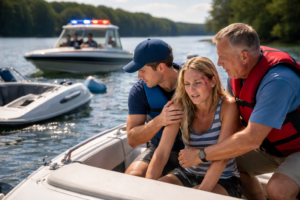
Accidents at the beginning of the season often occur due to a combination of environmental and mechanical factors. Boat operators may not have fully winterized or inspected their vessels, increasing the risk of engine failure or electrical malfunctions. Poor visibility from lingering fog, rain, or low sunlight angles can make it difficult to spot obstacles, docks, or other boats. Debris such as fallen branches or floating logs that collect over winter may remain hidden beneath the water’s surface, causing collisions or capsizing. Inexperienced boaters may underestimate the effects of currents or overestimate their ability to maneuver in these conditions. Speeding, alcohol consumption, and lack of safety gear further compound the risk of serious injury.
Slip and Fall Injuries
Slipping and falling on wet or icy decks is one of the most frequent causes of injury during early spring boating excursions. Common injuries include broken bones, especially to wrists, arms, and ankles, as well as head trauma if a boater falls overboard or hits hard surfaces within the vessel. Sprains and dislocations occur when individuals attempt to catch themselves or twist awkwardly while falling. Icy patches or accumulated algae on decks can make even small boats dangerous, particularly when combined with sudden movements during navigation. Wearing non-slip shoes and maintaining awareness of deck conditions are critical preventive measures.
Attorney - Partner Attorney - Partner Associate Attorney Associate Attorney
Leland Malchow

Chris Johnson

Dane Anderson

Bailey Marshall
Collisions and Impact Injuries
Collisions, whether with other boats, docks, or submerged objects, are particularly dangerous during the start of the boating season. Fractures, broken ribs, and lacerations from sharp edges are common. Propeller strikes or sudden jolts can also cause whiplash and severe neck injuries. Operators must adhere to local boating regulations, maintain safe speeds, and keep a vigilant lookout. Boaters unfamiliar with specific waterways may fail to recognize shallow areas or underwater obstacles, further increasing the risk.
Drowning and Hypothermia Risks
Early spring water temperatures in Georgia and South Carolina remain dangerously low, increasing the likelihood of hypothermia for anyone who falls overboard. Even strong swimmers can lose coordination and strength within minutes in cold water. Life jackets are critical for both adults and children, and all passengers should be briefed on emergency procedures. Rapid response is essential, as hypothermia can set in long before rescuers arrive, turning minor accidents into life-threatening emergencies.
Burns and Electrical Injuries
Engine startups, electrical failures, and fuel leaks are additional hazards at the beginning of boating season. Boats that have been in storage often develop worn wiring or fuel system leaks, creating risks for burns, shocks, or even fires. Contact with hot engine components or fuel can cause serious burns. Maintaining the boat according to manufacturer recommendations, inspecting systems before launching, and keeping fire extinguishers accessible are critical preventive steps to reduce injuries.
Choosing a Personal Injury Attorney How Much Is My Personal Injury Claim Worth?Related Videos
Injuries from Alcohol Use and Overexertion
Alcohol remains a significant contributing factor in many boating accidents. Impaired judgment slows reaction times and increases the likelihood of collisions or falls. Overexertion while handling lines, anchoring, or moving heavy equipment can also lead to strains, pulled muscles, and long-term injuries. Boat operators should remain sober and ensure passengers follow safety protocols to prevent accidents.
Steps to Take After a Boating Accident
After an accident, it is essential to act promptly:
- Seek immediate medical attention, even for minor injuries, to document any trauma
- Take detailed notes about the incident, including time, location, and conditions
- Photograph the scene, damages, and injuries for evidence
- Report the accident to local authorities or the U.S. Coast Guard
- Avoid giving recorded statements to insurance representatives without legal counsel
- Contact Malchow Johnson Injury Lawyers to understand your legal rights and next steps
Legal Support and Liability Considerations
Boat accidents may involve complex liability issues. Determining fault requires careful investigation of operator behavior, equipment condition, and environmental factors. Experienced attorneys can help gather witness statements, review maintenance records, and interpret boating laws in Georgia and South Carolina. Legal representation ensures victims receive appropriate compensation for medical expenses, lost income, and long-term care needs. Additional resources include reviewing boat accident injury liability and filing a boating accident report to protect your case.
Avoiding Common Mistakes
After an accident, mistakes can jeopardize a claim:
- Waiting too long to seek treatment
- Failing to document injuries and property damage
- Posting about the accident on social media
- Underestimating long-term complications
Consulting a law firm early prevents these errors and preserves your ability to recover damages fully.
Preventive Measures for Boaters
Preventing early spring injuries requires preparation and vigilance:
- Inspect and maintain all boat systems before launching
- Wear life jackets and ensure passengers do the same
- Check weather and water conditions prior to departure
- Keep first aid kits, communication devices, and emergency supplies accessible
- Limit alcohol and prioritize sober operation of the vessel
As boating activity resumes across Georgia and South Carolina in early spring, the potential for injury increases. Understanding common risks—from slips and falls to collisions, hypothermia, and electrical hazards—allows boaters to take preventive steps. If an accident occurs, seeking medical attention, documenting injuries, and consulting Malchow Johnson Injury Lawyers are critical for protecting health and legal rights. Being proactive about safety and legal awareness ensures the boating season starts safely and responsibly.
Disclaimer
This content is for informational purposes only and is not legal advice. Consult an attorney for guidance regarding your specific situation.


 |

 |