
Navigating rural roads in South Carolina requires special attention due to the frequent presence of tractors and other slow-moving farm vehicles. Malchow Johnson Injury Lawyers emphasizes that understanding the unique challenges posed by these vehicles is essential for safety. Tractors often travel well below the speed of regular traffic, may make unexpected wide turns, and frequently carry equipment that extends beyond the body of the vehicle. Drivers who fail to anticipate these behaviors risk collisions that can result in serious injuries or even fatalities. Awareness, patience, and adherence to traffic laws are critical when encountering tractors on these roads.







Understanding Tractor Behavior and Limitations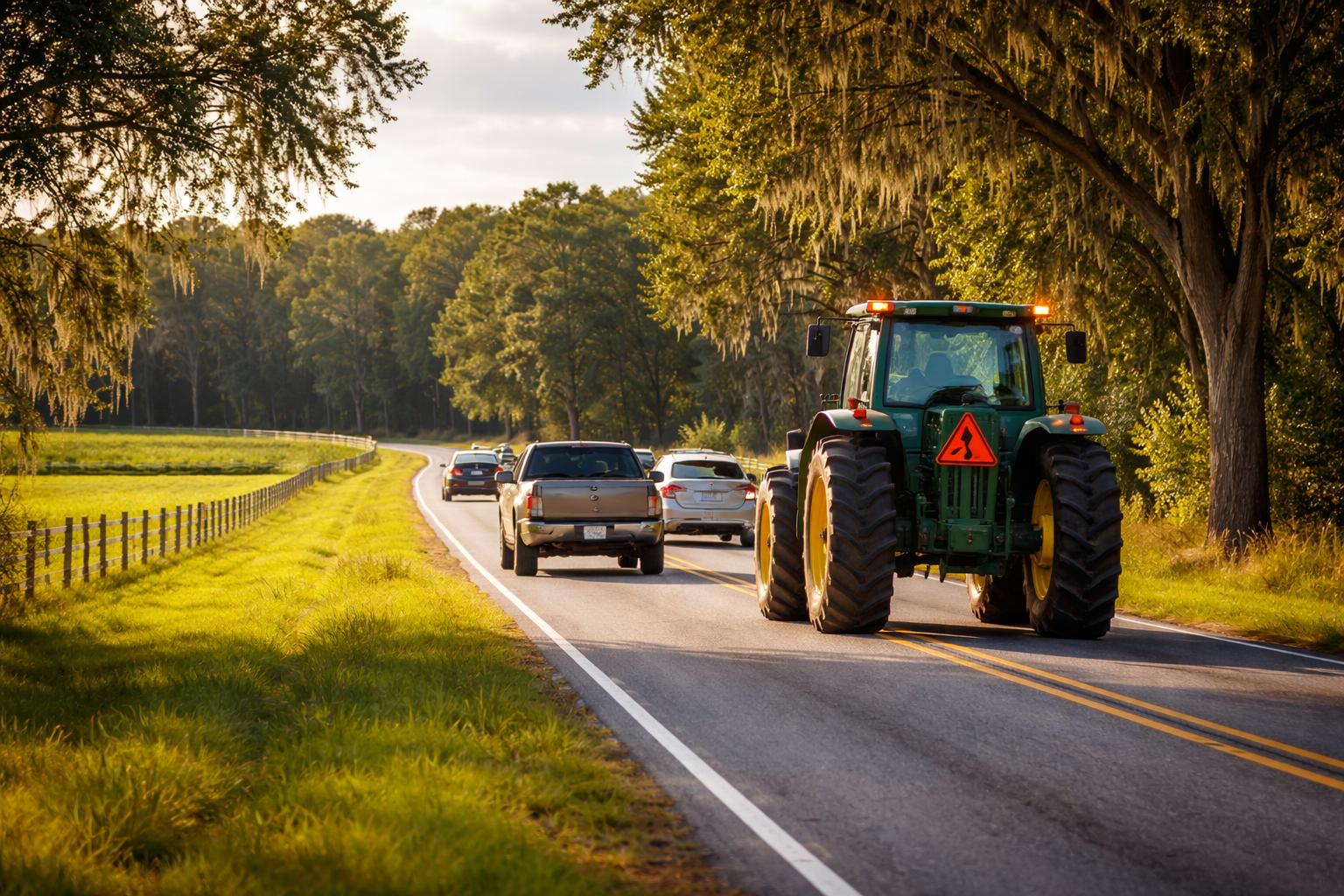
Tractors are designed for farm work, not high-speed travel, and this difference in function directly affects their behavior on roads. Drivers should expect tractors to move slowly, often 15 to 25 miles per hour, and make sudden stops or turns that may not follow predictable patterns. Because of this, it is important to always observe the road ahead, maintain a significant following distance, and be prepared for unexpected maneuvers. In rural South Carolina, many roads have limited visibility, which increases the importance of scanning the road for reflective slow-moving vehicle signs and anticipating when a tractor may enter or exit the roadway. Tractor operators may also use hand signals or flashers inconsistently, so relying solely on signals is not enough.
South Carolina Laws Regarding Slow-Moving Vehicles
State traffic laws provide guidance for drivers encountering slow-moving vehicles such as tractors. In South Carolina, motorists are legally required to yield the right of way when safe to pass, maintain safe speeds, and avoid aggressive driving that could endanger both themselves and the tractor operator. Vehicles must not force tractors off the road or pass in unsafe conditions, including curves, hills, or intersections where visibility is restricted. Violating these laws can not only result in traffic citations but may also create liability in civil accidents. Understanding and complying with these regulations is crucial, especially since rural roads often have varying speed limits and less signage than urban areas.

Leland Malchow
Attorney - Partner

Chris Johnson
Attorney - Partner

Dane Anderson
Associate Attorney

Bailey Marshall
Associate Attorney
Safe Passing and Following Practices
Passing a tractor demands careful judgment. Before attempting to pass, drivers should ensure there is ample space and visibility, check all mirrors and blind spots, and signal intentions clearly. Passing on narrow, winding, or hilly roads should be avoided, as these conditions significantly increase the risk of collision. Following a tractor requires patience; drivers should maintain a safe distance to allow sufficient reaction time and avoid tailgating. The extended length of tractors with attachments, such as plows or trailers, can make judging distance and speed more challenging, particularly for inexperienced drivers.
Rural Road Challenges and Limited Visibility
Many rural roads in South Carolina are narrow, lack shoulders, or have uneven surfaces, which can make sharing the road with tractors particularly hazardous. Drivers should reduce speed well in advance when approaching tractors, be prepared to stop if necessary, and watch for additional equipment or trailers attached to tractors. Rain, fog, and darkness further reduce visibility, increasing the importance of defensive driving. Using headlights, maintaining extra distance, and remaining alert are key strategies to navigate safely under low-visibility conditions.
Motorcycle and Bicycle Considerations
Motorcyclists and bicyclists face heightened risks around tractors due to their smaller size and reduced visibility to tractor operators. It is critical to avoid riding in blind spots and to anticipate sudden lane changes. Wearing high-visibility clothing and using front and rear lights enhances safety. Defensive positioning—keeping a buffer between the tractor and yourself—is essential, as even minor contact with farm equipment can lead to severe injuries.

They made everything easy for me! Even when I lost faith in the car accident where a drunk driver hit me, they helped me through every process. They were quick as they could be and made everything easier for me while being in the process of my move to Japan for the Navy, full time student, and planning my own wedding. I appreciated the help. Thank you!”
- Julissa Evans
I had the pleasure of allowing Mr. Leland Malchow to represent my case and I would recommend 10star rating if possible. Not only was Mr. Leland very professional and knowledgeable, he also took the time to listen to my frustrations about my situation. He offered a listening ear, as well as some kind motivational advice. Our relationship has been through business only but I would extend a hand to him and the law firm from here on out. Thank you all and God Bless."
- Chris Rowland
Chris Johnson is an exceptional attorney for car wreck cases. His expertise, clear communication, thorough preparation, and effective negotiation skills led to a favorable outcome. With compassion and support, he guided me through the process, making him highly recommended for anyone in need of a skilled legal advocate."
- Jayko Robinett
What to Do After an Accident
Even when drivers take every precaution, accidents can occur. If involved in a collision with a tractor, immediate steps include contacting emergency services for medical assistance, documenting the scene through photographs and witness statements, and preserving all evidence. Drivers should avoid admitting fault or making statements that could be interpreted as an admission, as this may impact legal proceedings. Consulting with experienced legal counsel, such as Malchow Johnson Injury Lawyers, is recommended to protect your rights and navigate potential claims in South Carolina. Legal guidance can help determine liability, ensure proper reporting, and provide support for recovering damages from medical expenses, lost wages, and property damage.
Seasonal and Environmental Factors
South Carolina’s rural roads are affected by seasonal changes that influence driving conditions. During planting and harvest seasons, tractor traffic may increase significantly, with multiple vehicles traveling together. Rain, mud, and soft shoulders can exacerbate the risk of accidents. Drivers should adjust speed accordingly, maintain greater distances, and anticipate extended travel times when tractors are present. Seasonal awareness, combined with knowledge of local traffic patterns, can greatly reduce the likelihood of collisions.
Related Videos
Choosing a Personal Injury Attorney
How Much Is My Personal Injury Claim Worth?
Preventive Measures and Education
Education and proactive measures are the foundation of safe driving near tractors. Drivers should familiarize themselves with slow-moving vehicle signs, review state laws regarding passing and right-of-way, and remain vigilant in recognizing potential hazards. Tractor operators also bear responsibility to ensure that equipment is properly lit and marked for visibility. Communities and local authorities can improve safety by maintaining roads, posting clear signage, and conducting outreach on shared road usage.
Additional Resources
For drivers seeking more detailed guidance on road safety and accident prevention, the following resources provide valuable information:
- Choosing a Car Accident Lawyer in South Carolina
- Road Conditions Causing Accidents
- Steps to Take After a Car Accident in Augusta
By understanding tractor behavior, following South Carolina traffic laws, and practicing defensive driving, motorists can safely navigate rural roads. Awareness, patience, and education are key to reducing risks, protecting all road users, and minimizing accidents.
Disclaimer
This guidance is for informational purposes only and is not legal advice. Consult an attorney about your specific situation.


 |

 |