As spring arrives in Georgia and South Carolina, off-road enthusiasts eagerly take their ATVs onto trails, fields, and rural roads. Malchow Johnson Injury Lawyers sees a marked increase in injuries during this season due to muddy trails, inexperienced riders, and hidden hazards. ATV crashes can cause severe injuries ranging from fractures to traumatic brain and spinal injuries. Understanding risk factors, preventive measures, and legal rights is essential for safe riding and protecting oneself after an accident.






Why ATV Accidents Increase in Spring 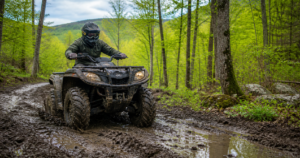
Spring presents unique challenges for off-road riders. Weather and trail conditions create a perfect storm for accidents. Melting snow, seasonal rainfall, and lingering debris make trails slippery and unpredictable. Riders returning from a winter hiatus may lack practice or refresher training, increasing the chance of losing control on unfamiliar terrain. Group rides are more frequent during spring, which multiplies the risk of collisions with other vehicles or inexperienced riders. Forest trails and rural backroads may hide obstacles such as tree roots, rocks, and washed-out sections, posing threats even to seasoned riders. These factors combine to make spring one of the most hazardous times for ATV enthusiasts in the Southeast.
Common Injuries from ATV Crashes
ATV accidents often result in injuries that are more severe than typical bicycle or motorcycle crashes because the vehicles lack protective enclosures. Common injuries include:
- Head Injuries: Concussions and traumatic brain injuries occur when riders fail to wear helmets or are involved in high-impact collisions.
- Spinal Injuries: Rollovers and falls can compress or fracture vertebrae, sometimes causing permanent paralysis.
- Fractures: Limbs, ribs, and collarbones frequently break in rollovers, collisions, or sudden impacts.
- Internal Injuries: Organs can be damaged in high-speed impacts, requiring immediate medical intervention.
- Soft Tissue Injuries: Sprains, lacerations, and contusions are frequent even in lower-speed incidents.
Riders should recognize that ATV injuries may not appear immediately severe but can escalate without prompt medical evaluation.
Attorney - Partner Attorney - Partner Associate Attorney Associate Attorney
Leland Malchow

Chris Johnson

Dane Anderson

Bailey Marshall
Essential Safety Measures for Off-Road Riders
Preventing accidents involves preparation, education, and responsible behavior. Riders should follow these safety measures:
- Wear Protective Gear: Helmets, gloves, boots, and padded clothing greatly reduce injury severity. Helmets alone reduce fatality risk by nearly half.
- Inspect Equipment: Before each ride, check brakes, tires, lights, and suspension. Ensure all safety devices are operational.
- Stay Within Skill Limits: Avoid overly steep or rough trails until confident. Riding beyond skill level significantly increases accident risk.
- Follow Local Laws: Georgia and South Carolina have specific ATV regulations, including restrictions on public road use, age limits, and licensing requirements.
- Avoid Impairment: Alcohol and drugs impair judgment, reaction time, and coordination, leading to higher crash likelihood.
- Ride with a Buddy: Riding in groups allows immediate assistance in case of injury and improves safety monitoring.
Legal Considerations for Injured ATV Riders
Injuries from ATV accidents may warrant legal action if negligence is involved. Possible claims include:
- Negligence: If another rider, landowner, or vehicle manufacturer contributed to the accident.
- Premises Liability: Property owners may be responsible if hazards were present and unmarked.
- Product Liability: Defective ATV design or manufacturing can result in manufacturer liability.
Understanding these legal avenues helps victims recover damages for medical bills, lost income, rehabilitation, and pain and suffering.
They made everything easy for me! Even when I lost faith in the car accident where a drunk driver hit me, they helped me through every process. They were quick as they could be and made everything easier for me while being in the process of my move to Japan for the Navy, full time student, and planning my own wedding. I appreciated the help. Thank you!” - Julissa Evans I had the pleasure of allowing Mr. Leland Malchow to represent my case and I would recommend 10star rating if possible. Not only was Mr. Leland very professional and knowledgeable, he also took the time to listen to my frustrations about my situation. He offered a listening ear, as well as some kind motivational advice. Our relationship has been through business only but I would extend a hand to him and the law firm from here on out. Thank you all and God Bless." - Chris Rowland Chris Johnson is an exceptional attorney for car wreck cases. His expertise, clear communication, thorough preparation, and effective negotiation skills led to a favorable outcome. With compassion and support, he guided me through the process, making him highly recommended for anyone in need of a skilled legal advocate." - Jayko Robinett
Steps to Take After an ATV Accident
Proper documentation and action can protect health and legal rights. Recommended steps include:
- Seek Immediate Medical Attention: Even minor injuries should be assessed to prevent complications.
- Report the Incident: File with local authorities, trail operators, or park officials as required.
- Document the Scene: Take photos of the vehicle, terrain, obstacles, and conditions contributing to the accident.
- Collect Witness Information: Names and contacts provide corroboration if claims are pursued.
- Consult a Lawyer: Malchow Johnson Injury Lawyers specializes in Georgia and South Carolina personal injury law, guiding injured riders through claims and negotiations.
Examples of ATV Accidents in Georgia and South Carolina
- In Augusta, GA, a rider struck a submerged tree root and broke multiple ribs. Legal review determined poor trail maintenance contributed to the accident, supporting a premises liability claim.
- Near Spartanburg, SC, a teen collided with another ATV during a group ride. Investigation showed the other rider acted recklessly, enabling a successful negligence claim.
These examples highlight how understanding local trail conditions, rider behavior, and legal protections is essential for recovery.
Choosing a Personal Injury Attorney How Much Is My Personal Injury Claim Worth?Related Videos
Insurance and Liability Challenges
Many ATV insurance policies have exclusions, especially for private land or unlicensed riders. Liability coverage may be limited, leaving victims responsible for significant costs. Malchow Johnson Injury Lawyers works to navigate these restrictions and advocate for maximum compensation.
Preparing for Off-Road Season
Preventive measures before spring can mitigate injury risks:
- Attend refresher ATV safety courses.
- Inspect and maintain vehicles over the winter months.
- Review trail maps and conditions before rides.
- Establish a first-aid kit and emergency plan for remote trails.
- Educate new riders on safe operation techniques and protective gear.
Spring off-road season brings both excitement and heightened risks for ATV riders in Georgia and South Carolina. By taking safety precautions, understanding the types of injuries that can occur, and knowing legal options, riders can enjoy the season responsibly. Malchow Johnson Injury Lawyers emphasizes prevention while being prepared to assist injured riders in securing the compensation they deserve. Legal guidance ensures that victims are aware of their rights and recover from medical, financial, and emotional impacts. Safety, preparation, and legal awareness together create the best outcome for off-road enthusiasts.
To learn more about this subject click here: Documenting Evidence in ATV Accident Cases Step by Step Guide

 |
 |