South Carolina currently bans most automated traffic enforcement systems, including red light cameras. Lawmakers are now discussing legislation that could allow limited use of red light cameras at dangerous intersections across the state. Supporters believe the technology could reduce severe T-bone accidents, which are among the deadliest crashes on South Carolina roads. These collisions often lead to catastrophic injuries, permanent disability, and wrongful death claims. Understanding how the proposed law may impact drivers can help families stay informed and protect their legal rights after a serious crash.

They made everything easy for me! Even when I lost faith in the car accident where a drunk driver hit me, they helped me through every process. They were quick as they could be and made everything easier for me while being in the process of my move to Japan for the Navy, full time student, and planning my own wedding. I appreciated the help. Thank you!”
- Julissa Evans
I had the pleasure of allowing Mr. Leland Malchow to represent my case and I would recommend 10star rating if possible. Not only was Mr. Leland very professional and knowledgeable, he also took the time to listen to my frustrations about my situation. He offered a listening ear, as well as some kind motivational advice. Our relationship has been through business only but I would extend a hand to him and the law firm from here on out. Thank you all and God Bless."
- Chris Rowland
Chris Johnson is an exceptional attorney for car wreck cases. His expertise, clear communication, thorough preparation, and effective negotiation skills led to a favorable outcome. With compassion and support, he guided me through the process, making him highly recommended for anyone in need of a skilled legal advocate."
- Jayko Robinett
Why T-Bone Accidents Are So Dangerous in South Carolina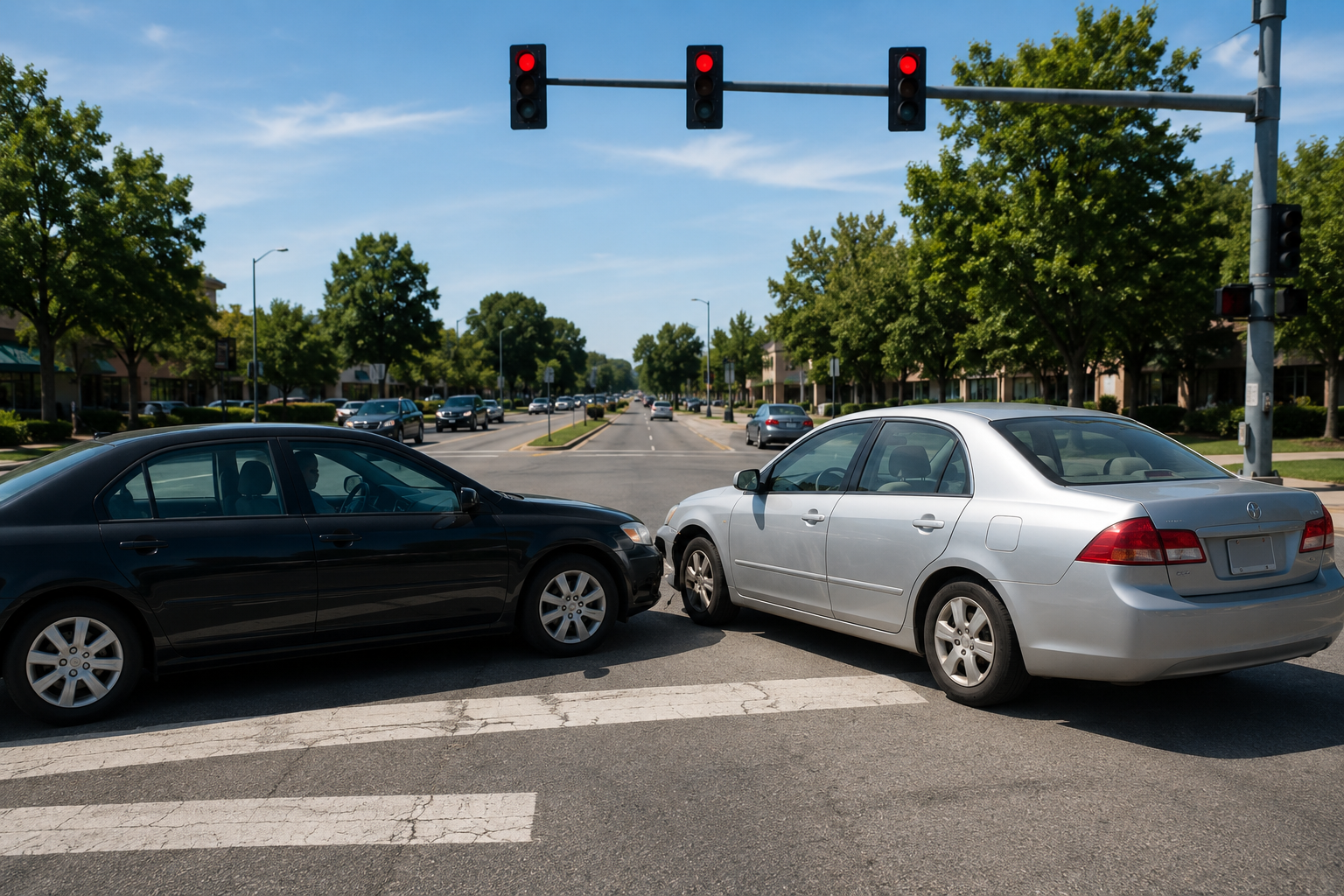
T-bone accidents, also known as side-impact collisions, happen when the front of one vehicle crashes into the side of another vehicle. These crashes commonly occur at intersections when a driver runs a red light or ignores a traffic signal.
Unlike front or rear-end collisions, the sides of vehicles offer less structural protection. Even with modern airbags and reinforced frames, victims often suffer severe injuries because there is very little space between the point of impact and the occupants inside the vehicle.
Common injuries in South Carolina T-bone accidents include:
- Traumatic brain injuries
- Spinal cord damage
- Pelvic fractures
- Internal bleeding
- Broken ribs and limbs
- Fatal injuries
Many of these crashes occur at high speeds, especially on busy highways and urban intersections throughout South Carolina and Georgia.
Why Red Light Running Is a Growing Problem
Distracted driving, speeding, aggressive driving, and impaired driving continue to contribute to intersection crashes throughout the Southeast. Drivers attempting to “beat the light” place everyone nearby at risk.
A red light violation can change lives in seconds.
According to national traffic safety studies, side-impact crashes account for a significant percentage of fatal intersection collisions every year. In many cases, victims never see the other vehicle coming before impact occurs.
South Carolina lawmakers and traffic safety advocates argue that stronger enforcement may help reduce these preventable crashes.
Are Red Light Cameras Illegal in South Carolina?
At this time, most red light cameras are illegal in South Carolina.
The state previously allowed limited automated traffic enforcement in certain areas, particularly school zones. Outside of those narrow exceptions, statewide use of red light cameras has remained prohibited for years.
Opponents of red light cameras have raised concerns involving:
- Privacy rights
- Government overreach
- Accuracy of automated systems
- Due process concerns
- Revenue-driven enforcement
As a result, South Carolina has historically favored traditional law enforcement traffic stops instead of automated ticketing systems.
Attorney - Partner Attorney - Partner Associate Attorney Associate Attorney
Leland Malchow
Chris Johnson
Dane Anderson

Bailey Marshall
What Would the New South Carolina Bill Change?
A proposed South Carolina bill could allow limited use of red light cameras at high-risk intersections where serious crashes occur frequently.
While the exact language may evolve during the legislative process, supporters say the bill is focused on public safety rather than generating revenue.
The proposed legislation may include:
- Cameras only at designated dangerous intersections
- Clear signage warning drivers about enforcement
- Restrictions on how collected data may be used
- Independent review of violations
- Limited fines for offenders
- Oversight requirements for municipalities
Lawmakers supporting the bill argue that visible enforcement changes driver behavior and encourages safer driving habits.
Many studies from other states suggest drivers are less likely to run red lights when they know cameras are present.
Could Red Light Cameras Actually Prevent T-Bone Accidents?
Supporters believe they can.
The primary goal of red light cameras is deterrence. Drivers who know intersections are monitored may be more likely to stop safely instead of accelerating through a changing light.
This matters because T-bone crashes are commonly caused by:
- Running red lights
- Failing to yield at intersections
- Distracted driving
- Speeding through intersections
Reducing even a small percentage of these violations could prevent devastating injuries and fatalities.
Traffic safety researchers in other states have reported reductions in severe side-impact crashes after implementation of red light camera programs.
Critics sometimes point out that rear-end accidents can increase slightly near camera-monitored intersections because drivers stop more abruptly. Even so, many experts believe lower-speed rear-end crashes are generally less severe than high-speed side-impact collisions.
Dangerous South Carolina Intersections Continue to Raise Concerns
South Carolina drivers regularly encounter high-risk intersections in cities such as:
- Columbia
- Charleston
- Greenville
- Myrtle Beach
- North Augusta
- Aiken
- Beaufort
Heavy tourism traffic, population growth, and distracted driving contribute to increased crash risks throughout the state.
Busy intersections near shopping centers, schools, and highway exits often see repeated serious collisions.
When local governments review crash data, many of the worst incidents involve drivers ignoring traffic signals.
A red light camera program could potentially target intersections with a documented history of:
- Fatal crashes
- Repeat red light violations
- Severe injury collisions
- Pedestrian accidents





How Intersection Crash Victims May Benefit
Victims of T-bone accidents often face overwhelming financial and emotional hardships.
Medical expenses can include:
- Emergency room treatment
- Surgeries
- Rehabilitation
- Physical therapy
- Long-term care
- Prescription medications
Many victims are unable to return to work for weeks, months, or permanently.
If red light cameras reduce dangerous driving behavior, fewer families may experience these devastating consequences.
When collisions still occur, video footage from traffic cameras may also provide valuable evidence during injury claims.
Evidence from intersection cameras could help establish:
- Which driver had the green light
- Vehicle speed
- Timing of traffic signal changes
- Failure to stop
- Liability
This evidence may strengthen a personal injury claim or wrongful death case.
What To Do After a South Carolina T-Bone Accident
After any serious intersection collision, taking immediate action can protect both your health and your legal rights.
Important steps include:
Seek Medical Attention Immediately
Some injuries may not appear immediately after a crash. Prompt medical evaluation creates important documentation and protects your recovery.
Call Law Enforcement
Police reports often play a major role in determining fault after a red light collision.
Gather Evidence
If possible, collect:
- Photos of the vehicles
- Traffic signals
- Skid marks
- Witness information
- Dashcam footage
Avoid Speaking With Insurance Adjusters Alone
Insurance companies may attempt to minimize payouts or shift blame.
Contact an Experienced Car Accident Attorney
A lawyer can investigate the collision, preserve evidence, and pursue compensation for your damages.
For readers seeking additional information, resources related to a Georgia personal injury lawyer and car accident claims may provide valuable guidance for understanding injury litigation after serious crashes.
Related Videos
Choosing a Personal Injury Attorney
How Much Is My Personal Injury Claim Worth?
Liability in South Carolina Intersection Accidents
South Carolina follows a modified comparative negligence rule. This means injured victims may recover compensation if they are less than 51% responsible for the accident.
Insurance companies often dispute fault in T-bone accidents because drivers frequently claim they had the green light.
Evidence becomes critical in these cases.
An attorney may use:
- Traffic camera footage
- Witness testimony
- Crash reconstruction experts
- Cell phone records
- Vehicle black box data
to establish liability.
The sooner an investigation begins, the greater the opportunity to preserve key evidence.
How Attorneys Help Victims After Severe T-Bone Crashes
Serious side-impact collisions often require extensive legal and medical investigation.
An attorney may help by:
- Obtaining crash reports
- Reviewing surveillance footage
- Consulting accident reconstruction experts
- Calculating future medical expenses
- Negotiating with insurance companies
- Filing a lawsuit if necessary
In wrongful death cases, surviving family members may also pursue compensation for funeral expenses, lost financial support, and emotional suffering.
Speak With a Trusted Georgia or South Carolina Attorney Today
If you or a loved one suffered injuries in a T-bone accident in Georgia or South Carolina, legal guidance may help you pursue compensation and protect your future. Malchow Johnson Injury Lawyers represents injured victims and families facing serious accident-related losses across both states. Contact the firm today to schedule a confidential consultation and discuss your legal options.
Client Testimonials
Construction Accident Client Testimonial
Workers' Comp Client Testimonial

 |
 |