
As the weather fluctuates in early March, it creates a particularly hazardous environment, increasing the risk of slip-and-fall accidents. At Malchow Johnson Injury Lawyers, we see a significant rise in claims during this time, as the erratic temperatures cause hazardous conditions such as black ice and slippery sidewalks. It’s important to understand why early-March weather is so dangerous and what you can do to reduce your risk of a slip-and-fall injury.







The Unpredictability of Early-March Weather 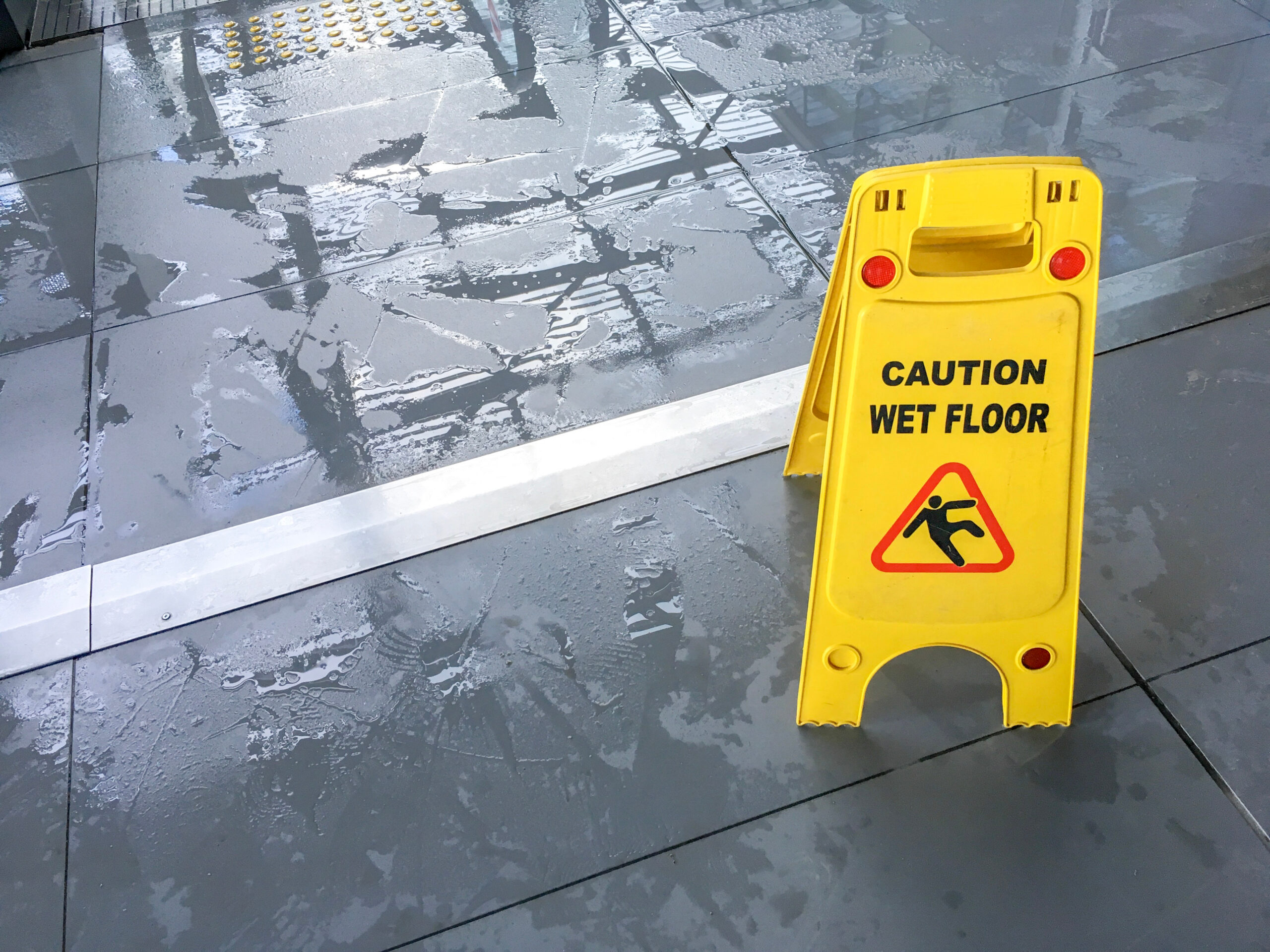
March marks a transitional time for many areas of the country, especially in regions that experience cold winters. The days begin to lengthen, but winter hasn’t quite let go yet. One of the main reasons slip-and-fall accidents surge in early March is the unpredictable weather patterns. On one day, the temperature may soar into the 50s or 60s, leading to the melting of snow and ice. However, just as quickly, temperatures can drop again, causing everything that has melted to refreeze. This fluctuation creates dangerous ice patches on sidewalks, parking lots, and walkways, making it incredibly easy to slip and fall without warning.
How Sudden Temperature Changes Impact Outdoor Surfaces
When temperatures rise, melting snow and ice create puddles of water that can be hazardous, especially when the water isn’t given enough time to drain properly. As soon as the cold returns, the water refreezes, forming thin layers of ice that are difficult to detect. These are particularly dangerous because they often blend into the surrounding surfaces, making them hard to spot. It’s common for pedestrians to underestimate the slipperiness of these conditions, as the surface may not look icy, but the danger is very much present.
The potential for accidents isn’t limited to just sidewalks. Parking lots, especially those that are poorly maintained, are at great risk for accumulating ice. When melted snow refreezes overnight, it often creates treacherous conditions for drivers and pedestrians alike. This isn’t just a problem for public spaces—private property owners may also neglect to salt or treat areas where these weather swings occur, resulting in more slip-and-fall incidents.
Attorney - Partner Attorney - Partner Associate Attorney Associate Attorney
Leland Malchow

Chris Johnson

Dane Anderson

Bailey Marshall
The Hidden Dangers of Slush and Ice Patches
Even when the temperature remains above freezing, early March can present its own set of dangers. Slushy conditions occur when melted snow and ice mix with rain or slush, making it difficult to walk or drive safely. If the conditions are right, this slush can freeze overnight or during the day, turning into patches of black ice. Unlike snow or fresh ice, black ice is almost invisible to the naked eye, which makes it particularly dangerous. Pedestrians can easily misstep and fall if they don’t take extra care.
Unfortunately, this often leads to serious injuries. An unexpected slip due to hidden ice can result in everything from a sprained ankle to broken bones or head trauma. In addition, conditions like these can also make it difficult to drive, with motorists losing control of their vehicles on icy patches or having difficulty stopping at intersections.
The Impact of March Storms and Unpredictable Precipitation
Another significant factor contributing to the rise in slip-and-fall claims during early March is the weather’s tendency to change suddenly. Unpredictable storms, whether in the form of rain, sleet, or snow, are common in this transitional season. These storms can create immediate hazards by coating sidewalks and roads with slick, slippery surfaces before people have a chance to respond.
In many cases, the snowfall during March may be lighter than during the peak of winter, but it’s often accompanied by heavy rain or freezing rain. This combination can cause rapidly changing road conditions, making it harder for property owners and drivers to adjust. Because snow accumulation is usually slower in early spring, property owners may delay salting or plowing areas like parking lots, walkways, and sidewalks. Unfortunately, this leaves pedestrians and drivers to navigate unsafe spaces until conditions improve.
They made everything easy for me! Even when I lost faith in the car accident where a drunk driver hit me, they helped me through every process. They were quick as they could be and made everything easier for me while being in the process of my move to Japan for the Navy, full time student, and planning my own wedding. I appreciated the help. Thank you!” - Julissa Evans I had the pleasure of allowing Mr. Leland Malchow to represent my case and I would recommend 10star rating if possible. Not only was Mr. Leland very professional and knowledgeable, he also took the time to listen to my frustrations about my situation. He offered a listening ear, as well as some kind motivational advice. Our relationship has been through business only but I would extend a hand to him and the law firm from here on out. Thank you all and God Bless." - Chris Rowland Chris Johnson is an exceptional attorney for car wreck cases. His expertise, clear communication, thorough preparation, and effective negotiation skills led to a favorable outcome. With compassion and support, he guided me through the process, making him highly recommended for anyone in need of a skilled legal advocate." - Jayko Robinett
Why Early March Increases the Risk of Slip-and-Fall Accidents
Slip-and-fall accidents peak in early March for several reasons. As the weather becomes warmer, people may feel more comfortable heading outdoors without fully considering the hazards present. They may be less cautious while walking or driving, assuming that the risk of ice and snow has passed. But when conditions rapidly change, people can quickly find themselves on surfaces that have transformed into dangerous patches of ice or slippery slush. Unfortunately, these incidents often go unnoticed until someone is injured, which means claims tend to rise after the fact.
Property owners, especially in regions where temperatures fluctuate, are often unprepared for these changes, leaving pedestrians vulnerable. Slips on icy sidewalks, parking lots, or staircases can lead to severe injuries. It’s crucial that property owners treat their walkways and parking areas appropriately during these weather swings to prevent accidents from happening.
Choosing a Personal Injury Attorney How Much Is My Personal Injury Claim Worth?Related Videos
How to Avoid Slip-and-Fall Accidents in Early March
- Be Extra Cautious in Transition Seasons: When weather patterns shift quickly, stay aware of changing conditions. Check the forecast daily and adjust your activities accordingly. If you’re planning to go outdoors, always check for ice patches or slush on surfaces.
- Choose Footwear with Good Grip: Avoid flat shoes, sandals, or high heels when going outdoors. Instead, wear boots with treaded soles that are designed to prevent slipping on wet or icy surfaces. Proper footwear can make a huge difference in preventing a fall.
- Take Small, Steady Steps: When walking on potentially slippery surfaces, take slow, deliberate steps. Keep your arms free for balance and look down periodically to check for hazards.
- Report Hazardous Conditions: If you notice hazardous conditions on sidewalks, parking lots, or building entrances, report them immediately to the property owner or manager. This simple action can help prevent someone else from suffering a serious injury.
- Know When to Stay Indoors: If you feel the weather has created unsafe conditions, it’s better to stay indoors until the situation improves. Don’t risk a fall for something that can wait until the conditions are safer.
What to Do After a Slip-and-Fall Accident
If you or a loved one experiences a slip-and-fall injury in early March, it’s important to take the following steps:
- Seek Medical Care Immediately: Even if the injury seems minor, it’s crucial to get medical attention. Some injuries may not be apparent at first, such as concussions or internal injuries.
- Document the Scene: If possible, take pictures of the scene, showing the icy or slippery conditions that led to the fall. This can help substantiate your claim later.
- Consult with an Experienced Attorney: A slip-and-fall lawyer can help guide you through the legal process and ensure that you receive the compensation you’re entitled to for medical bills, lost wages, and pain and suffering.
At Malchow Johnson Injury Lawyers, we’re here to assist you through every step of your slip-and-fall claim. If you’ve been injured due to hazardous conditions in early March, don’t hesitate to reach out to us for a free consultation.
To learn more about this subject click here: Why Winter Slip-and-Fall Claims Often Depend on Fast Evidence


 |

 |