
In the colder months, pedestrian accidents tend to increase, particularly around busy intersections. The combination of winter weather, reduced visibility, and higher traffic volumes creates dangerous conditions for pedestrians. Malchow Johnson Injury Lawyers, a law firm based in Augusta, GA, regularly handles cases involving pedestrians who have been injured in these hazardous conditions. Understanding why these accidents surge in the winter months is crucial for both pedestrians and drivers to stay safe.






The Impact of Weather Conditions on Pedestrian Safety 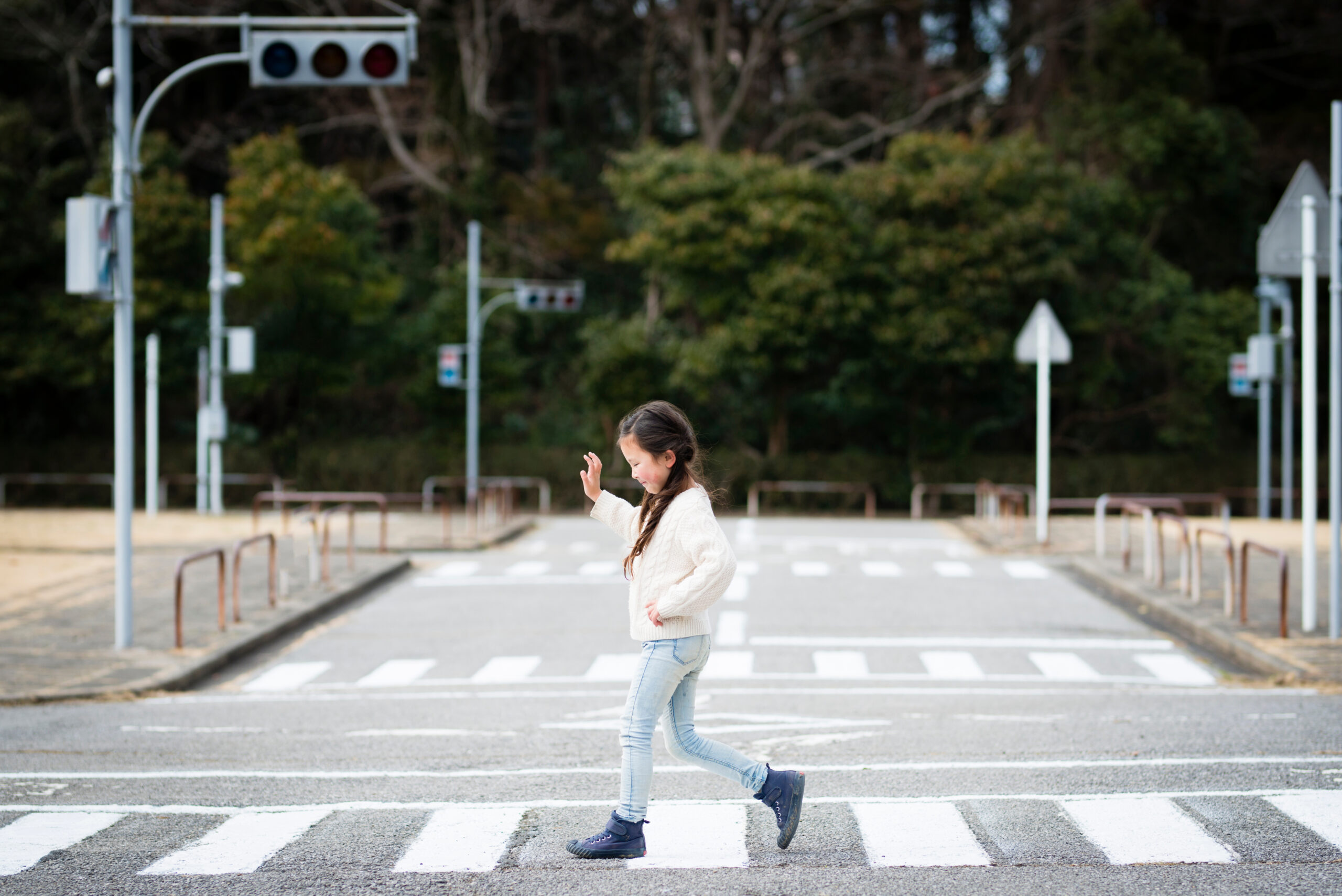
Winter weather poses a significant risk to pedestrians, particularly at intersections where foot traffic and vehicles cross paths. Slippery sidewalks caused by ice and snow make it harder for pedestrians to maintain their balance, especially when they are in a rush to cross the street. This is particularly dangerous in high-traffic areas such as busy intersections, where a fall could lead to serious injury.
Snow and ice also create poor road conditions, making it harder for drivers to stop quickly if a pedestrian suddenly steps into the crosswalk. As a result, pedestrians who are crossing at busy intersections are at a much higher risk of being involved in an accident. Additionally, when it’s snowing or raining, pedestrians may feel compelled to rush, potentially disregarding traffic signals, which further increases the likelihood of an accident.
Reduced Visibility During Winter
One of the key factors that contribute to pedestrian accidents in winter is the reduced visibility caused by shorter daylight hours and overcast skies. When it gets dark earlier in the evening, pedestrians are often walking in low-light conditions, making them harder for drivers to spot, especially at busy intersections where vehicles may be turning or merging from multiple directions.
Poor visibility due to fog, heavy rain, or snow can exacerbate this risk. Even during daylight hours, the glare from headlights during the early morning or late evening hours makes it more difficult for drivers to see pedestrians clearly. The addition of snow or ice on the ground can also distort how pedestrians appear, making it harder for drivers to judge distances.
Attorney - Partner Attorney - Partner Associate Attorney Associate Attorney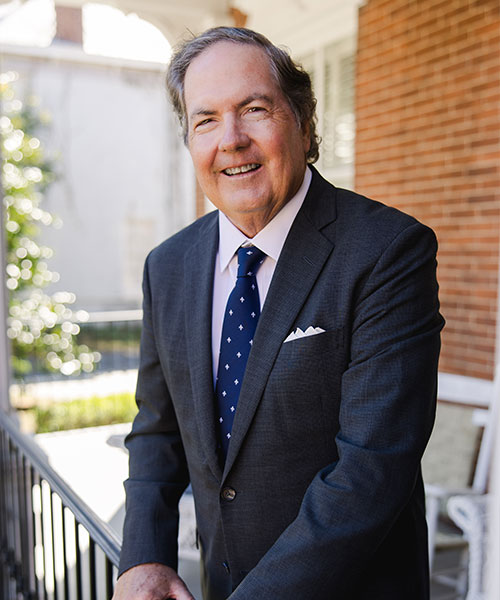
Leland Malchow
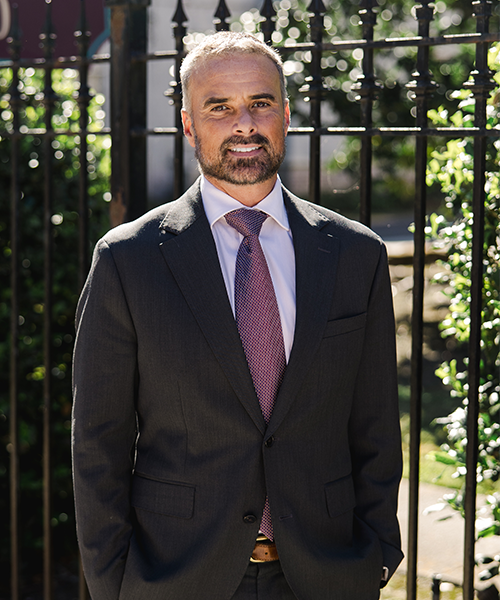
Chris Johnson
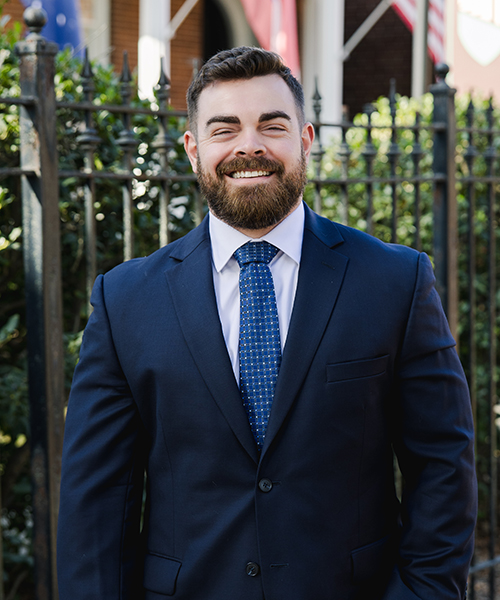
Dane Anderson
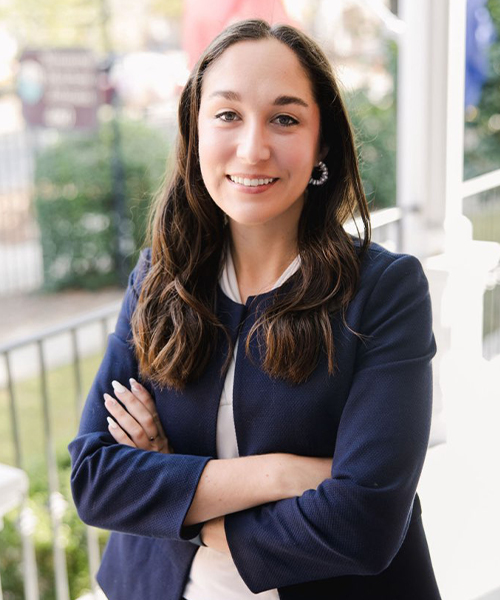
Bailey Marshall
Increased Traffic Around Busy Intersections
Winter weather often brings more people to the streets. From holiday shopping to end-of-year errands, there is an uptick in foot traffic and, consequently, more pedestrians around busy intersections. However, the increase in foot traffic is usually accompanied by more vehicle traffic as well.
The combination of pedestrians trying to get across busy intersections and vehicles trying to navigate through congested areas creates dangerous conditions. Drivers may be distracted by their surroundings, trying to navigate the traffic, and may not see pedestrians until it’s too late. For pedestrians, waiting for a gap in traffic to cross can be risky, as the longer they wait, the more impatient they may become, which increases the chances of jaywalking or crossing when it’s not safe to do so.
Slower Reaction Times in Cold Weather
Cold weather can slow reaction times for both pedestrians and drivers. When temperatures drop, pedestrians are bundled up in thick clothing that can restrict movement. If they need to dodge a car or catch their balance after a slip on the ice, the extra layers of clothing can make these movements more difficult.
For drivers, cold weather can also impair their ability to react quickly. Icy roads and foggy conditions reduce visibility, making it harder for drivers to see pedestrians in time to stop. This is especially true in areas where there is poor lighting, such as intersections with limited streetlights.
They made everything easy for me! Even when I lost faith in the car accident where a drunk driver hit me, they helped me through every process. They were quick as they could be and made everything easier for me while being in the process of my move to Japan for the Navy, full time student, and planning my own wedding. I appreciated the help. Thank you!” - Julissa Evans I had the pleasure of allowing Mr. Leland Malchow to represent my case and I would recommend 10star rating if possible. Not only was Mr. Leland very professional and knowledgeable, he also took the time to listen to my frustrations about my situation. He offered a listening ear, as well as some kind motivational advice. Our relationship has been through business only but I would extend a hand to him and the law firm from here on out. Thank you all and God Bless." - Chris Rowland Chris Johnson is an exceptional attorney for car wreck cases. His expertise, clear communication, thorough preparation, and effective negotiation skills led to a favorable outcome. With compassion and support, he guided me through the process, making him highly recommended for anyone in need of a skilled legal advocate." - Jayko Robinett
Unsafe Driving Practices in Winter
Winter weather conditions often lead to unsafe driving behaviors, which can significantly increase the risk of pedestrian accidents. Drivers are more likely to speed, tailgate, or fail to yield the right-of-way in snowy and icy conditions. Additionally, the limited traction on icy or wet roads makes it harder for drivers to stop in time when they see a pedestrian in a crosswalk.
At busy intersections, where pedestrians often wait for the light to change before crossing, drivers may be too impatient to wait for the signal. They might attempt to beat the light or maneuver around other vehicles, putting pedestrians in danger. These unsafe driving practices are especially prevalent during the winter months when drivers may feel the pressure to get to their destinations faster in poor weather conditions.
Pedestrian Safety Tips for Winter Conditions
Given the numerous hazards winter weather presents, it’s essential for pedestrians to take steps to protect themselves, especially when crossing busy intersections. Here are some important safety tips for staying safe during winter months:
- Dress for Visibility:
When walking in low-light conditions, wear bright or reflective clothing to increase your visibility to drivers. Consider using a flashlight or wearing light-up accessories to help make you more noticeable in dimly lit areas, particularly at busy intersections. - Take Your Time:
In winter conditions, it’s important to take extra time when crossing streets. Ensure that all vehicles have come to a complete stop before stepping into a crosswalk. Avoid rushing across the street, as slippery sidewalks and icy roads can increase the risk of falling. - Be Alert and Avoid Distractions:
Pay close attention to your surroundings, especially when walking near busy intersections. Avoid using your phone or other distractions while crossing the street, as being distracted can prevent you from noticing approaching vehicles. - Use Well-Lit Crosswalks:
Always cross at well-lit intersections with pedestrian signals. Even if you feel like it might be quicker to cross at an unmarked area, busy intersections often have the safest and clearest paths for pedestrians. Make sure the light is green for pedestrians before stepping into the crosswalk. - Watch for Snow and Ice:
Before crossing, check for icy patches or snow piles that might make it difficult to walk safely. If possible, walk around any areas that look slippery to avoid falling. - Make Eye Contact with Drivers:
Before crossing, make eye contact with drivers to ensure that they see you. This is particularly important at busy intersections where visibility may be poor due to weather conditions or traffic congestion.
Choosing a Personal Injury Attorney How Much Is My Personal Injury Claim Worth?Related Videos
What to Do After a Pedestrian Accident
Even when pedestrians take all necessary precautions, accidents can still happen, especially in the chaotic environment of a busy intersection during winter. If you are involved in a pedestrian accident, the first step is to seek medical attention immediately, even if you don’t feel seriously injured. Many injuries, such as concussions or internal injuries, may not be immediately apparent.
After seeking medical help, contact a law firm like Malchow Johnson Injury Lawyers to discuss your case. They specialize in handling pedestrian accident cases and can help you navigate the legal process. They will gather evidence, talk to witnesses, and work to ensure that you receive the compensation you deserve for medical bills, lost wages, and pain and suffering.
Winter presents a host of challenges for pedestrians, particularly around busy intersections where foot traffic and vehicle traffic converge. The combination of harsh weather, poor visibility, and unsafe driving practices makes winter months especially dangerous for pedestrians. However, by following the safety tips provided above, pedestrians can significantly reduce their risk of being involved in an accident.
If you or a loved one has been injured in a pedestrian accident, it is essential to contact an experienced attorney. Malchow Johnson Injury Lawyers offers free consultations and is committed to helping pedestrians who have been injured due to the negligence of others. Their dedicated team can help you understand your legal rights and fight for the compensation you deserve.
To learn more about this subject click here: How Social Media Can Affect Your Pedestrian Accident Case

 |

 |