
Evening and twilight rounds in the CSRA are common. Players often carry clubs, pull carts, or ride in golf carts. A startled or protective dog can react to the sound of a bag zipper, a club being removed, or the presence of strangers. When an owner wears headphones and ignores warnings, that choice increases risk. On many courses, dogs are not permitted. On others, staff may allow leashed dogs during off-peak hours. That mix of policies creates disputes about responsibility when a dog disrupts play or someone gets hurt.
Who Could Be Responsible?
Dog Owner Responsibility
• Duty to control the animal. Owners must keep reasonable control based on the dog’s size, strength, and temperament. Headphones that block awareness, a long lead that lets the dog encroach on a green, or a refusal to leash after a warning are all facts that can point to owner fault.
• Prior behavior and warning signs. If the owner knew or should have known the dog could react to quick movements, bags, or other players, ignoring that risk weighs against the owner.
• Local rules and course policies. When a course prohibits dogs or requires leashes, violating those rules strengthens the case against the owner.
• Results of the encounter. If the dog charges, knocks someone down, bites, or damages clubs, the owner’s insurer may have to pay for medical bills, lost time, pain and suffering, and property loss.
Golf Course Responsibility
• Duty to invitees. Golfers typically pay to use the course, which makes them invitees. The course must keep the premises reasonably safe, which includes responding to known hazards like an uncontrolled dog on a green.
• Notice and response. If staff see the dog, receive reports by radio or from players, or previously warned the same owner, and nothing is done, the course may share fault.
• Policies and enforcement. Written rules matter only if staff enforce them. A pattern of allowing off-leash animals, or telling players “we can’t do anything,” can create foreseeability of harm.
• Physical layout and signage. Clear signage at the entrance and starter’s area, instructions on the scorecard, and reminders at twilight check-in help. A lack of clarity invites conflict.
Shared Fault Is Common
Many dog-on-course incidents involve both parties. A distracted owner introduces the risk. A slow or indifferent staff response lets the risk continue. Georgia’s comparative fault rules allow recovery even when responsibility is shared, but any award can be reduced by a person’s percentage of fault. An early investigation helps protect your side of the story.

They made everything easy for me! Even when I lost faith in the car accident where a drunk driver hit me, they helped me through every process. They were quick as they could be and made everything easier for me while being in the process of my move to Japan for the Navy, full time student, and planning my own wedding. I appreciated the help. Thank you!”
- Julissa Evans
I had the pleasure of allowing Mr. Leland Malchow to represent my case and I would recommend 10star rating if possible. Not only was Mr. Leland very professional and knowledgeable, he also took the time to listen to my frustrations about my situation. He offered a listening ear, as well as some kind motivational advice. Our relationship has been through business only but I would extend a hand to him and the law firm from here on out. Thank you all and God Bless."
- Chris Rowland
Chris Johnson is an exceptional attorney for car wreck cases. His expertise, clear communication, thorough preparation, and effective negotiation skills led to a favorable outcome. With compassion and support, he guided me through the process, making him highly recommended for anyone in need of a skilled legal advocate."
- Jayko Robinett
What Matters for Your Claim
Evidence wins these cases. Try to preserve the following:
• A same-day incident report with the pro shop or course manager
• The tee sheet and receipt showing you were on the property at that time
• Names and numbers for your playing partners and any nearby group
• Photos or short video of the dog, the owner, the putting surface, your equipment, and any visible injury
• Notes about the owner’s conduct, including whether they wore headphones or ignored staff
• Screenshots of any texts, app messages, or emails with the course
• Any posted rules, starter instructions, or signage about pets
When There Is a Bite
Dog bites deserve immediate medical care. Puncture wounds can become infected quickly, and scarring can be minimized with prompt treatment. After you are safe, read this step-by-step guide to protect your claim. If you are ready to understand what proof insurers look for, this resource lists the key evidence that moves dog bite cases. Both pages can help you map out next steps and avoid mistakes.
Attorney - Partner Attorney - Partner Associate Attorney Associate Attorney
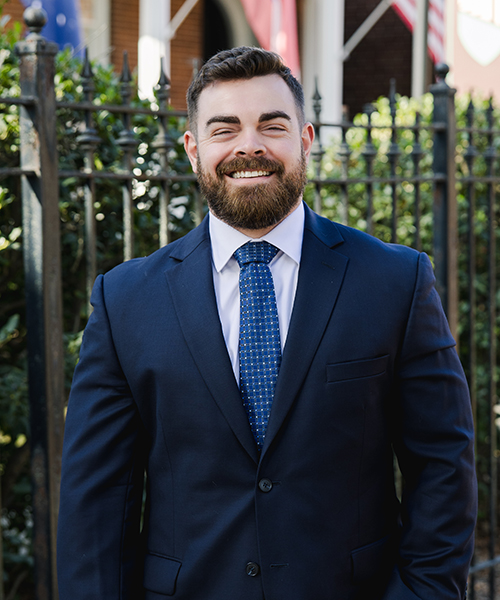
Leland Malchow

Chris Johnson
Dane Anderson

Bailey Marshall
When There Is No Bite
Not every case involves teeth. Players may still be entitled to compensation when a dog charges, snaps, or knocks someone down. Common non-bite losses include sprains from a fall, cuts and bruises, damaged clubs or rangefinders, and wasted greens fees. Emotional distress alone is rarely enough. A doctor’s diagnosis, property loss, or clear interference with your round helps your claim.
Insurance Angles You Should Know
• Dog owner coverage. Most homeowners and renters policies provide liability coverage for dog incidents, subject to exclusions or breed rules. A claim usually starts with a polite letter to the insurer, not a courtroom fight.
• Golf course coverage. Courses carry commercial general liability insurance that can apply when staff decisions contribute to an incident. Clear documentation that shows notice to staff and slow or no action matters.
• Medical payments coverage. Some policies include modest “med pay” benefits that can help with early bills regardless of fault. Ask for the adjuster to confirm any available medical payments benefits.
• Your own coverage. If a golf cart collision occurs during the incident, auto-related coverages may come into play. Save every policy page you can find and let a lawyer sort out what applies.
Georgia Premises Liability Basics
The golf course’s duty arises from premises liability law, which requires owners and occupiers to keep their property reasonably safe for invitees and to fix or warn about hazards they know about or should discover during routine inspection. A repeat issue with dogs on cart paths or greens can qualify as a hazard if staff look the other way. For a deeper Georgia-specific overview of property owner duties, see this.







Special Facts That Strengthen a Golf Course Claim
• Radios or tee box marshals warned staff, and the dog stayed on the course
• The same dog was reported on earlier holes
• The owner walked the dog at dusk or after the pro shop closed, when supervision was thin
• A junior golf clinic or public event increased foot traffic, so risk was higher
• Prior similar complaints are logged in the starter’s book or point-of-sale system
What to Do Right Away if This Happens on Your Round
-
Get to a safe spot. Ask your group to step off the green or into a cart.
-
Notify staff. Call the pro shop from your phone, hail a marshal, or stop at the clubhouse. Ask for an incident report and a copy or photo of it.
-
Call 911 if someone is injured. Ask EMS to evaluate bites, falls, or head impacts.
-
Photograph everything. The dog, the owner, the headphones, the leash or lack of it, and any damage.
-
Save receipts and gear. Keep your tee time receipt and do not repair damaged clubs or clothing until the insurer inspects them.
-
Get medical care the same day. Follow up with your doctor or urgent care, then keep copies of all records and bills.
-
Do not argue with the owner. Let staff handle the situation, and limit contact to exchanging basic information.
Related Videos
Choosing a Personal Injury Attorney
How Much Is My Personal Injury Claim Worth?
Common Defenses You May Hear, and What They Mean
• “He is friendly.” The issue is control, not character. A friendly dog can still knock a golfer down or react to sudden movement.
• “No one complained before.” That does not excuse an on-going risk once staff are told.
• “You scared the dog by pulling a club.” Golfers are expected to use equipment; that is ordinary play, not provocation.
• “It happened after hours.” If a course leaves gates open and routinely tolerates off-leash dogs, that pattern can still create responsibility.
How Malchow Johnson Injury Lawyers Can Help
Our Augusta-based team handles dog bite and premises liability claims that overlap with golf settings. We gather video from the clubhouse and cart paths, track down tee sheets and witness names, work with your doctors, and negotiate with both the owner’s insurer and the course’s insurer when shared fault is in play. If you want a dedicated overview of dog bite cases in our area, start here. Then use the contact options below to talk with us about your situation in confidence.
Many of our readers split time between Augusta and North Augusta or Aiken County. State rules differ in important ways, yet the same practical steps apply. Preserve evidence, report the incident, and get care fast. Our team handles matters on both sides of the river and can explain how local rules affect your claim.
If a dog disrupted your round or caused injury at a golf course, talk with Malchow Johnson Injury Lawyers. Call or reach us through the firm’s contact page to schedule a free consultation. We serve clients across Augusta, Richmond County, and nearby areas.
Client Testimonials
Construction Accident Client Testimonial
Workers' Comp Client Testimonial

 |

 |