
Traffic violations are one of the leading causes of catastrophic injuries across Georgia and South Carolina, often resulting in life-altering harm such as traumatic brain injuries, spinal cord damage, and permanent disability. State laws impose strict duties on drivers to follow traffic rules, yet violations such as speeding, reckless driving, and distracted driving continue to cause severe crashes. Victims may face overwhelming medical expenses, lost income, and long-term care needs. Understanding the seriousness of traffic violations and the legal options available can help injured individuals protect their rights and pursue full compensation.

They made everything easy for me! Even when I lost faith in the car accident where a drunk driver hit me, they helped me through every process. They were quick as they could be and made everything easier for me while being in the process of my move to Japan for the Navy, full time student, and planning my own wedding. I appreciated the help. Thank you!”
- Julissa Evans
I had the pleasure of allowing Mr. Leland Malchow to represent my case and I would recommend 10star rating if possible. Not only was Mr. Leland very professional and knowledgeable, he also took the time to listen to my frustrations about my situation. He offered a listening ear, as well as some kind motivational advice. Our relationship has been through business only but I would extend a hand to him and the law firm from here on out. Thank you all and God Bless."
- Chris Rowland
Chris Johnson is an exceptional attorney for car wreck cases. His expertise, clear communication, thorough preparation, and effective negotiation skills led to a favorable outcome. With compassion and support, he guided me through the process, making him highly recommended for anyone in need of a skilled legal advocate."
- Jayko Robinett
The Serious Impact of Traffic Violations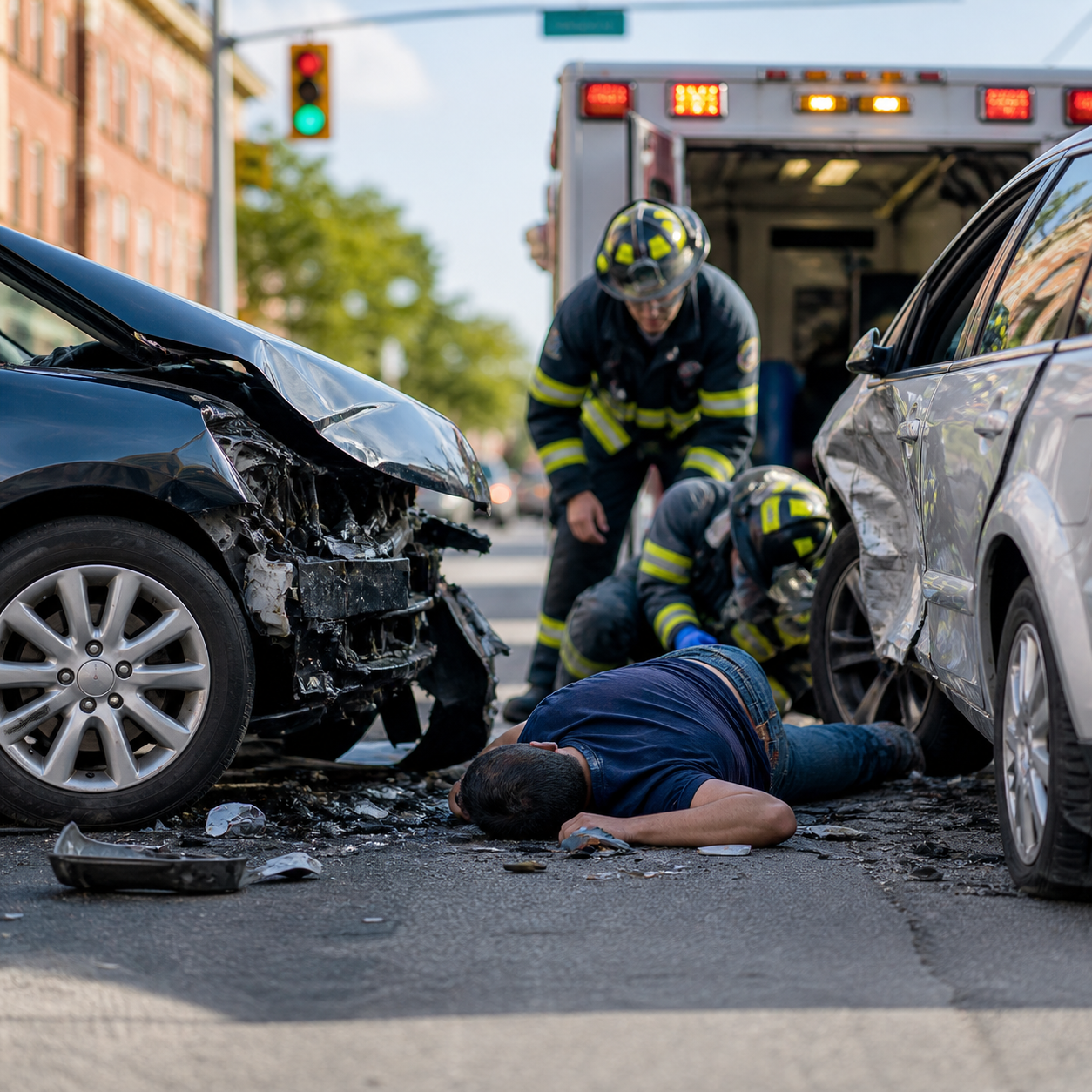
Traffic laws exist to protect everyone on the road. When drivers ignore these rules, the consequences can be devastating. A simple violation such as running a red light or texting while driving can lead to a catastrophic crash within seconds.
In Georgia and South Carolina, drivers are legally required to operate their vehicles with reasonable care. When a driver violates traffic laws, that behavior often serves as strong evidence of negligence in a personal injury claim. Courts and insurance companies take these violations seriously because they directly increase the risk of severe injury or death.
Catastrophic injuries differ from minor injuries because they often result in permanent impairment. Victims may never return to their previous quality of life. These cases require extensive medical care, long-term rehabilitation, and financial planning for future needs.
What Qualifies as a Catastrophic Injury
A catastrophic injury typically involves severe, long-term damage that affects a person’s ability to work or live independently. Common examples include:
- Traumatic brain injuries (TBI)
- Spinal cord injuries and paralysis
- Severe burns
- Amputations
- Organ damage
- Permanent disfigurement
These injuries often require lifelong medical treatment. Victims may need assistive devices, home modifications, or ongoing therapy. The financial burden can be overwhelming, especially when combined with lost wages and reduced earning capacity.
Common Traffic Violations That Lead to Serious Accidents
Many catastrophic injury cases stem from preventable traffic violations. Some of the most common include:
Speeding
Driving above the posted speed limit reduces reaction time and increases the severity of impact. High-speed collisions often result in life-threatening injuries.
Distracted Driving
Texting, using a phone, eating, or adjusting in-car systems can take a driver’s attention off the road. Even a few seconds of distraction can cause a devastating crash.
Reckless Driving
Aggressive behaviors such as tailgating, weaving between lanes, or road rage create dangerous conditions for everyone nearby.
Running Red Lights or Stop Signs
Ignoring traffic signals often leads to intersection collisions, which are among the most severe types of crashes.
Driving Under the Influence
Alcohol and drugs impair judgment, coordination, and reaction time. DUI-related crashes frequently cause catastrophic injuries or fatalities.
Failure to Yield
Failing to give the right of way can result in side-impact or pedestrian accidents, both of which can lead to serious harm.
Improper Lane Changes
Unsafe lane changes without signaling or checking blind spots can cause multi-vehicle accidents.
Fatigued Driving
Drowsy drivers experience slower reaction times and impaired decision-making, similar to intoxicated drivers.
They made everything easy for me! Even when I lost faith in the car accident where a drunk driver hit me, they helped me through every process. They were quick as they could be and made everything easier for me while being in the process of my move to Japan for the Navy, full time student, and planning my own wedding. I appreciated the help. Thank you!”
- Julissa Evans
I had the pleasure of allowing Mr. Leland Malchow to represent my case and I would recommend 10star rating if possible. Not only was Mr. Leland very professional and knowledgeable, he also took the time to listen to my frustrations about my situation. He offered a listening ear, as well as some kind motivational advice. Our relationship has been through business only but I would extend a hand to him and the law firm from here on out. Thank you all and God Bless."
- Chris Rowland
Chris Johnson is an exceptional attorney for car wreck cases. His expertise, clear communication, thorough preparation, and effective negotiation skills led to a favorable outcome. With compassion and support, he guided me through the process, making him highly recommended for anyone in need of a skilled legal advocate."
- Jayko Robinett
Why Traffic Violations Are So Dangerous
Traffic violations are not minor mistakes. They create unpredictable and hazardous conditions that can escalate quickly. A driver who ignores one rule often disregards others, increasing the likelihood of a severe crash.
Research and legal case trends show that preventable driver behavior remains a major factor in serious accidents. Clear communication and understanding of risk are essential when educating the public about these dangers, since people respond better to straightforward messaging that helps them recognize threats to their safety .
When a violation occurs, the risk extends beyond the driver. Passengers, pedestrians, cyclists, and other motorists all face increased danger.
The Legal Consequences of Traffic Violations
In Georgia and South Carolina, traffic violations can lead to both criminal penalties and civil liability. Drivers may face:
- Fines and court costs
- Points on their driving record
- License suspension
- Increased insurance premiums
- Criminal charges in severe cases
In addition to these penalties, a driver who causes a catastrophic injury may be held financially responsible for the victim’s damages. This includes compensation for medical bills, lost wages, pain and suffering, and long-term care needs.
How Liability Is Determined in Catastrophic Injury Cases
To recover compensation, an injured person must prove that another party’s negligence caused the accident. Traffic violations often serve as strong evidence of negligence.
Key elements in a claim include:
- Duty of care: Drivers must follow traffic laws and operate safely
- Breach of duty: A violation such as speeding or DUI shows failure to meet that duty
- Causation: The violation directly caused the accident
- Damages: The victim suffered measurable harm
Evidence may include police reports, witness statements, traffic camera footage, and expert analysis.
For example, if a driver runs a red light and causes a collision that results in a spinal cord injury, that violation becomes a central factor in establishing liability.
The Financial Impact of Catastrophic Injuries
Catastrophic injuries often create long-term financial strain. Victims may face:
- Emergency medical treatment and hospital stays
- Surgeries and ongoing care
- Rehabilitation and physical therapy
- Assistive devices such as wheelchairs
- Home modifications
- Lost income and reduced earning capacity
These costs can reach hundreds of thousands or even millions of dollars over a lifetime.
Pursuing a legal claim is often necessary to secure the resources needed for recovery and future stability.






How an Attorney Helps After a Serious Traffic Violation Accident
A legal team plays a critical role in protecting the rights of injured individuals. Key steps include:
Investigation
Attorneys gather evidence to determine exactly how the traffic violation occurred and who is responsible.
Documentation
Medical records, expert reports, and financial documentation help establish the full extent of damages.
Negotiation
Insurance companies often attempt to minimize payouts. Legal representation ensures that victims are not pressured into accepting less than they deserve.
Litigation
If a fair settlement cannot be reached, the case may proceed to court where a judge or jury determines the outcome.
Working with a Georgia personal injury lawyer or South Carolina injury attorney ensures that all legal deadlines are met and that the case is handled effectively.
Real-World Example
Consider a driver who is texting while approaching an intersection. They fail to notice a red light and collide with another vehicle at full speed. The victim suffers a traumatic brain injury and requires long-term care.
In this scenario:
- The traffic violation is clear
- Liability is strongly supported by evidence
- The damages are extensive and ongoing
A claim in this situation would focus on securing compensation for both immediate and future needs.
Steps to Take After a Traffic Violation Accident
If you or a loved one suffers a catastrophic injury, taking the right steps can protect your case:
- Seek immediate medical attention
- Call law enforcement and obtain a report
- Gather contact information from witnesses
- Document the scene if possible
- Avoid giving recorded statements to insurers
- Contact a qualified attorney
Early action can preserve critical evidence and strengthen your claim.
Speak With a Trusted Georgia or South Carolina Attorney Today
If you were injured in Georgia or South Carolina due to a traffic violation, reach out today. Malchow Johnson Injury Lawyers provides experienced, compassionate, and results-driven representation across both states. Contact us now to schedule a confidential consultation and learn how your rights and recovery can be protected.
Related Videos
Choosing a Personal Injury Attorney
How Much Is My Personal Injury Claim Worth?


 |

 |