
Winter weather brings about various challenges for drivers. Ice, and poor visibility increase the likelihood of accidents, particularly multi-vehicle crashes. These types of accidents often involve complicated claims due to the number of vehicles involved and the difficult task of determining fault. In this discussion, we explore why winter weather leads to more multi-vehicle accidents, what makes these claims more complex, and how to best handle such situations. Malchow Johnson Injury Lawyers offers helpful guidance when navigating the legal and insurance processes during these trying times.






Why Winter Weather Leads to More Multi-Vehicle Claims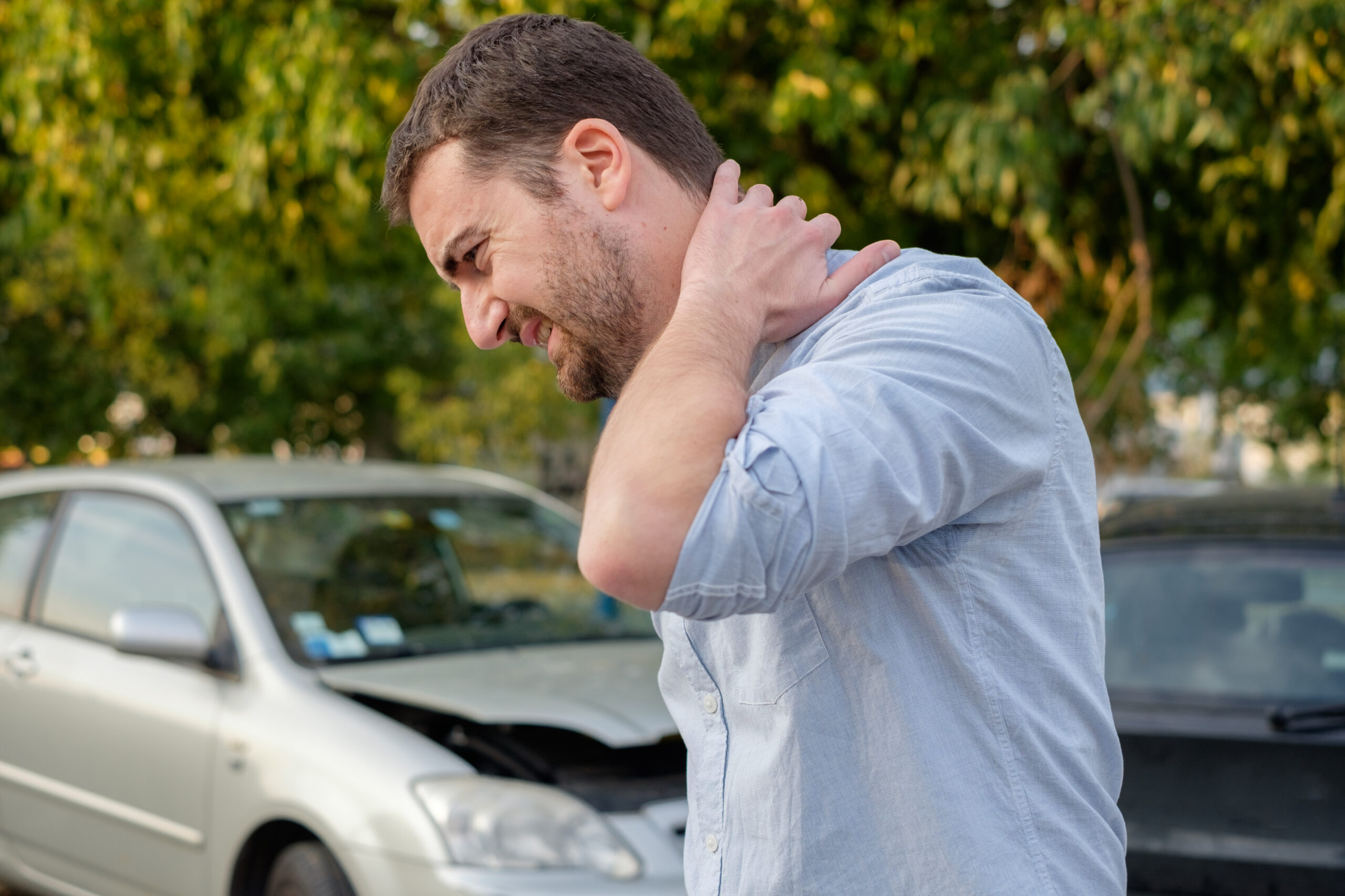
As winter settles in, so does the unpredictability of road conditions. While every season presents its own driving challenges, winter weather is particularly hazardous. The presence of ice, fog, and shorter daylight hours makes the roads more treacherous. This leads to higher instances of accidents, especially multi-vehicle crashes.
When there’s ice on the road, it reduces the amount of traction your tires have, making it harder to stop your car or maneuver through tricky conditions. Similarly, snowstorms or blizzards can drastically reduce visibility, making it difficult to see other vehicles, road signs, and hazards in time. This combination of factors leads to higher risks for drivers, pedestrians, and anyone involved in accidents.
During the winter months, the likelihood of a single vehicle crash increases, but multi-vehicle crashes are often more severe. A multi-vehicle collision involves a chain reaction of crashes, where the initial accident causes other vehicles to become involved. This type of accident can result in serious injuries, property damage, and more complicated claims.
Understanding why winter weather makes multi-vehicle claims more frequent and more complex is essential for anyone navigating the insurance or legal processes after an accident. Let’s take a deeper dive into why winter weather conditions are so problematic for drivers.
Attorney - Partner Attorney - Partner Associate Attorney Associate Attorney
Leland Malchow

Chris Johnson
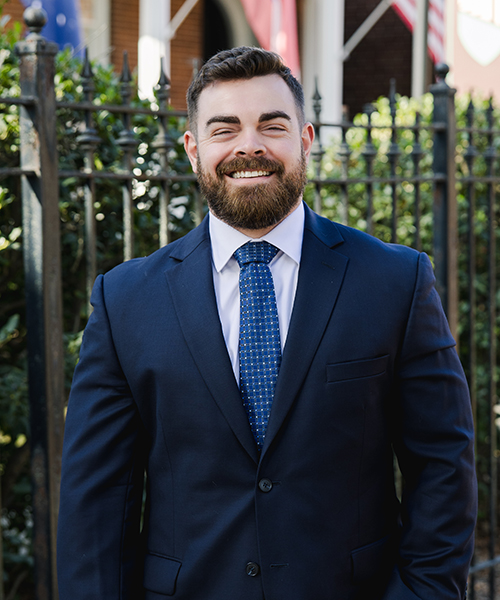
Dane Anderson

Bailey Marshall
The Impact of Reduced Visibility on Multi-Vehicle Accidents
Reduced visibility is one of the most significant factors contributing to multi-vehicle accidents in the winter months. Winter brings longer nights and shorter days, which means that more drivers are on the road during low-light hours, particularly in the mornings and evenings. In addition to this, snowstorms, fog, and ice can further limit visibility.
Poor visibility often means drivers have less time to react to sudden changes in traffic, such as a car suddenly stopping or swerving. In multi-vehicle crashes, this lack of reaction time can have a domino effect. If a driver can’t see an obstacle or another vehicle in time, they may collide with the vehicle in front of them, setting off a chain reaction that involves several more vehicles. In the worst cases, this can lead to a massive pile-up on the highway, blocking lanes, and creating further risks for all involved.
To make matters worse, these types of accidents are more likely to happen in areas where traffic is already congested, such as highways, intersections, or in places with frequent traffic jams. In those situations, it’s even harder for drivers to see other vehicles, pedestrians, or potential hazards that could trigger a multi-vehicle accident. This makes multi-vehicle crashes in winter weather especially dangerous and complicated.
Slippery Roads and Increased Stopping Distances
Slippery roads are another significant cause of multi-vehicle accidents in winter. Snow, sleet, and ice can reduce the amount of friction between a vehicle’s tires and the road, making it harder to stop or steer in time to avoid a collision.
When the roads are slick, it takes longer for vehicles to come to a stop. In many instances, drivers may not realize that the road is icy until they begin to brake. In this scenario, the vehicle might begin to slide, increasing the likelihood of hitting another car, particularly if they are driving too fast for the conditions. Even experienced drivers may struggle to stop on icy roads, which can result in a collision with a nearby vehicle.
In a multi-vehicle crash, the challenge of stopping in time becomes even more complicated. The driver involved in the first crash might stop, but other drivers behind them might not be able to react fast enough. This can result in a rear-end collision, which could lead to more vehicles becoming involved in the crash. The slower response times of drivers combined with icy conditions make winter driving far riskier.
They made everything easy for me! Even when I lost faith in the car accident where a drunk driver hit me, they helped me through every process. They were quick as they could be and made everything easier for me while being in the process of my move to Japan for the Navy, full time student, and planning my own wedding. I appreciated the help. Thank you!” - Julissa Evans I had the pleasure of allowing Mr. Leland Malchow to represent my case and I would recommend 10star rating if possible. Not only was Mr. Leland very professional and knowledgeable, he also took the time to listen to my frustrations about my situation. He offered a listening ear, as well as some kind motivational advice. Our relationship has been through business only but I would extend a hand to him and the law firm from here on out. Thank you all and God Bless." - Chris Rowland Chris Johnson is an exceptional attorney for car wreck cases. His expertise, clear communication, thorough preparation, and effective negotiation skills led to a favorable outcome. With compassion and support, he guided me through the process, making him highly recommended for anyone in need of a skilled legal advocate." - Jayko Robinett
The Challenge of Determining Fault in Winter Multi-Vehicle Accidents
One of the most complicated aspects of multi-vehicle accidents in winter is determining who is at fault. In accidents involving multiple vehicles, it’s not always clear who caused the initial crash or what chain of events led to the final pile-up.
In a multi-vehicle crash, especially one involving hazardous conditions like snow or ice, the question of liability can be difficult to answer. For example, was the first vehicle that caused the crash driving too fast for the conditions? Did the second vehicle react poorly, or did they fail to stop in time? What about the third or fourth vehicles that were caught in the chain reaction?
As more vehicles become involved, determining who was responsible for the initial impact, as well as the ensuing damages, becomes more complex. Drivers may have different versions of the events, and it’s up to law enforcement, insurance companies, and the courts to determine who was at fault and to what extent. It’s vital that all drivers involved in multi-vehicle accidents document everything they can to support their claims.
Legal and Insurance Complications
When multi-vehicle accidents occur during the winter months, the claims process often becomes much more complicated. Multiple insurance companies might be involved, and each one will need to assess its client’s role in the accident. When there are multiple vehicles involved, insurance companies have to determine how each party is responsible for the damages and how compensation should be allocated. This process can take longer and require more detailed documentation, especially when the weather conditions played a significant role in the accident.
Additionally, there may be disputes about the severity of injuries, whether the damage was caused by the weather or another driver’s negligence, or how much compensation each individual party should receive. This can lead to delays in resolving the claims and disputes that make the process more complicated than a standard car accident claim.
Choosing a Personal Injury Attorney How Much Is My Personal Injury Claim Worth?Related Videos
How to Navigate Multi-Vehicle Claims After a Winter Accident
If you’re involved in a multi-vehicle crash during the winter months, there are several steps you can take to protect your rights and ensure a smoother claims process. Here are some tips to keep in mind:
- Document Everything: Always take photos of the accident scene, including the damage to all vehicles, any visible injuries, and the road conditions. Make sure to capture any weather-related factors like snow accumulation, ice patches, or fog.
- Secure Witness Information: If there are any witnesses to the crash, be sure to collect their contact information. Witnesses can provide vital accounts of the events, which can help determine fault.
- Seek Medical Attention: Even if you feel fine after an accident, it’s crucial to get checked by a doctor. Some injuries, such as whiplash or soft tissue injuries, might not be immediately apparent. Document your injuries, as they may become an essential part of your claim.
- Contact an Attorney: Multi-vehicle accidents are often complex, especially during the winter months when weather conditions can contribute to the incident. An experienced attorney, like those at Malchow Johnson Injury Lawyers, can help you navigate the legal and insurance challenges that often arise from multi-vehicle accidents.
- Stay Calm and Avoid Admitting Fault: If you’re involved in a multi-vehicle crash, it’s important to stay calm and avoid admitting fault. Even if you believe you’re partially responsible, let the insurance companies and authorities determine the cause of the accident.
- Report the Incident Promptly: Notify your insurance company as soon as possible. They will guide you through the process of filing a claim and help you assess your options for compensation.
Winter weather poses serious challenges for drivers, making multi-vehicle accidents more likely. The combination of reduced visibility, slippery roads, and distracted driving increases the chances of chain-reaction crashes. Additionally, the legal and insurance processes for these types of accidents can be more complicated, requiring expert knowledge and attention to detail. If you’ve been involved in a multi-vehicle accident, especially during the winter months, Malchow Johnson Injury Lawyers is here to help you navigate the claims process and secure the compensation you deserve.
To learn more about this subject click here: Multi-Vehicle Pileups in Georgia and South Carolina: Who Is Liable When Several Drivers Are Involved?


 |

 |