
During late spring, Augusta experiences a surge in visitors drawn to events such as the Masters Tournament, local festivals, and seasonal recreational activities. This influx brings not only excitement and economic activity but also increased traffic risks. Out-of-town drivers, often unfamiliar with local streets, speed limits, and traffic patterns, significantly contribute to higher accident rates during this period. Malchow Johnson Injury Lawyers frequently encounter cases stemming from collisions involving visitors who were distracted, confused, or inexperienced with Georgia roads, demonstrating that awareness and preparedness are critical for both residents and travelers.







Tourist Behavior and Road Familiarity 
Tourists unfamiliar with Augusta’s roadways tend to rely heavily on GPS systems or mobile navigation apps, which may not account for temporary construction, local traffic congestion, or one-way streets. The combination of following directions blindly while navigating busy areas can lead to sudden lane changes, missed signals, and collisions at intersections. Even seemingly minor mistakes, such as hesitating at a stop sign or misjudging merging lanes, can quickly escalate in areas with higher vehicle density. Residents may notice erratic driving near event venues, hotels, or popular downtown attractions, especially when tourists are sightseeing or searching for parking, creating a heightened potential for accidents.
Impact of Traffic Congestion and Event-Driven Surges
Late spring sees considerable traffic spikes in major corridors such as Washington Road, Peach Orchard Road, and areas surrounding Augusta National Golf Club. These bottlenecks are compounded by peak commuting hours, leading to a mixture of local commuters and unfamiliar drivers sharing the same roads. Congestion forces drivers to brake unexpectedly or switch lanes frequently, which increases rear-end collisions and minor accidents. Additionally, stop-and-go conditions can be stressful for drivers unfamiliar with local traffic patterns, further increasing the likelihood of errors. The influx of visitors often coincides with favorable weather, encouraging more people to drive rather than use alternative transportation methods, amplifying roadway risks.
Attorney - Partner Attorney - Partner Associate Attorney Associate Attorney
Leland Malchow

Chris Johnson
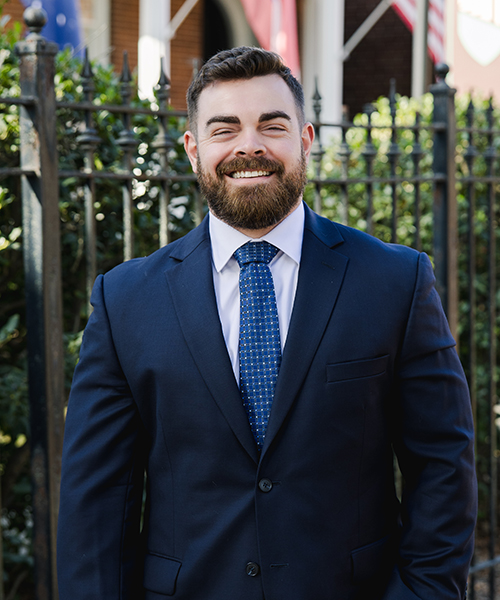
Dane Anderson

Bailey Marshall
Weather-Related Hazards
Georgia’s spring weather, while mild overall, is characterized by intermittent rain showers, sudden downpours, and occasionally slick roads. Drivers who are not accustomed to local weather conditions may misjudge braking distances or fail to account for wet pavement. Potholes and uneven surfaces in certain areas, combined with heavy traffic, can create hazardous driving conditions. Locals often develop an instinctive knowledge of where hazards are most likely, but out-of-town drivers lack this familiarity, increasing the probability of accidents caused by sudden maneuvers or overcorrection. Awareness of seasonal weather patterns is essential for both residents and visitors to reduce risks.
Common Types of Accidents
The most frequent collisions during late spring involve side-impact crashes at intersections, rear-end collisions in congested traffic, and minor accidents in parking lots near hotels, shopping centers, or event locations. Tourists may misinterpret traffic signals or fail to anticipate local driving customs, such as yielding at roundabouts, leading to collisions that could have been avoided with defensive driving practices. Rear-end accidents often occur when a driver suddenly brakes upon realizing they missed a turn or are unsure of the proper lane to merge into. In parking lots, confusion over angled or narrow spaces can cause property damage and personal injuries. These patterns indicate that a significant portion of spring traffic accidents is tied to unfamiliarity with the area rather than intentional negligence.
They made everything easy for me! Even when I lost faith in the car accident where a drunk driver hit me, they helped me through every process. They were quick as they could be and made everything easier for me while being in the process of my move to Japan for the Navy, full time student, and planning my own wedding. I appreciated the help. Thank you!” - Julissa Evans I had the pleasure of allowing Mr. Leland Malchow to represent my case and I would recommend 10star rating if possible. Not only was Mr. Leland very professional and knowledgeable, he also took the time to listen to my frustrations about my situation. He offered a listening ear, as well as some kind motivational advice. Our relationship has been through business only but I would extend a hand to him and the law firm from here on out. Thank you all and God Bless." - Chris Rowland Chris Johnson is an exceptional attorney for car wreck cases. His expertise, clear communication, thorough preparation, and effective negotiation skills led to a favorable outcome. With compassion and support, he guided me through the process, making him highly recommended for anyone in need of a skilled legal advocate." - Jayko Robinett
Driver Distraction and Its Role in Accidents
Distraction is another major factor contributing to accidents involving out-of-town drivers. Tourists may focus on sightseeing, operating GPS systems, or locating attractions rather than maintaining consistent attention on the road. Simple actions such as checking a phone, adjusting navigation, or searching for a parking spot can divert attention long enough to cause collisions. Residents must remain vigilant and anticipate sudden changes in traffic flow caused by distracted drivers. Defensive driving techniques, such as maintaining safe following distances and avoiding aggressive maneuvers, are particularly important during these peak periods to reduce the chance of collisions.
Strategies for Local Drivers
Local drivers can take several steps to mitigate risks during late spring. Maintaining extra space between vehicles allows more reaction time when encountering unexpected braking or lane changes. Avoiding aggressive responses to erratic driving reduces the likelihood of escalating incidents. Planning travel routes around high-traffic areas, staying alert near event venues, and monitoring traffic conditions through reliable sources can help anticipate congestion and potential hazards. Understanding that tourists may act unpredictably allows residents to drive more defensively and reduce their own risk of accidents.
Choosing a Personal Injury Attorney How Much Is My Personal Injury Claim Worth?Related Videos
Responding to Accidents
Despite careful driving, accidents may still occur. Immediate steps include ensuring safety by moving vehicles out of active traffic lanes if possible, contacting emergency services, and exchanging contact and insurance information with involved parties. Documenting the scene with photographs, taking notes on conditions, and gathering witness accounts can provide crucial evidence for insurance claims or potential legal action. Consulting with experienced attorneys ensures proper guidance through the claims process, protects rights, and supports the pursuit of compensation for injuries, property damage, or medical expenses resulting from a collision. Malchow Johnson Injury Lawyers offer guidance and support in navigating these complex situations for residents and visitors alike.
Late spring in Augusta brings both excitement and elevated risks on the road due to increased tourist traffic. Drivers unfamiliar with local streets, traffic patterns, and weather conditions contribute to higher accident rates. Residents and visitors should exercise caution, adopt defensive driving practices, and remain aware of seasonal hazards. Proper response following a collision, including documentation and consulting an attorney, can ensure safety, protect legal rights, and support recovery efforts. By understanding the factors that contribute to late spring accidents, drivers can make informed decisions, reduce risks, and maintain safer roads for everyone.
Seek Experienced Assistance
If you or someone you know is involved in a collision with an out-of-town driver in Augusta or surrounding areas, reach out to Malchow Johnson Injury Lawyers. Their team offers experienced and compassionate guidance for handling personal injury, car accidents, and insurance claims. Contact the firm to schedule a free consultation and protect your legal rights.
To learn more about this subject click here: SC-170 Crash Risks Near Bluffton and Beaufort: Safety Insights for Drivers


 |

 |