Construction zones are a common sight across Georgia each spring, bringing with them road maintenance, lane shifts, and increased traffic risks. For drivers navigating these areas, unexpected hazards can result in serious car accidents. At Malchow Johnson Injury Lawyers, we frequently see clients who are injured in construction zones and are unsure who may be legally responsible. Understanding the rules, potential liability, and the steps you should take after an accident is critical for protecting your rights and pursuing the compensation you deserve.



Georgia’s Construction Zone Regulations 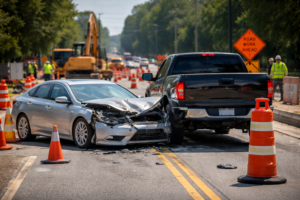
Georgia law requires that all construction zones be clearly marked with signs, cones, and sometimes flashing lights to alert drivers of upcoming changes. Reduced speed limits are standard, and fines are often doubled for speeding in these areas. The Georgia Department of Transportation (GDOT) has established guidelines for contractors to follow to ensure safe conditions. Despite these safeguards, construction zones remain a frequent site of accidents because the combination of heavy traffic, narrowed lanes, and sudden lane shifts increases the likelihood of collisions. During spring, construction activity typically ramps up, meaning drivers must be more vigilant than at other times of the year.
Potentially Responsible Parties
Determining legal responsibility for a car accident in a construction zone can be complex, as several parties may share liability.
Other Drivers: One of the most common causes of accidents is driver error. Speeding, distracted driving, tailgating, or failing to obey traffic signs can all make a driver partially or fully responsible. In Georgia, drivers are expected to anticipate construction conditions and adjust their behavior accordingly.
Contractors: Construction companies are required to maintain safe work sites. Hazards such as poorly marked lanes, missing signs, or uneven surfaces can make a contractor liable. In some cases, contractors may also be responsible for worker actions that contribute to accidents.
Government Entities: State or local agencies may bear responsibility if they failed to properly plan, maintain, or monitor the construction site. Examples include missing signage, broken barriers, or poorly designed detours that increase the risk of accidents.
Attorney - Partner Attorney - Partner Associate Attorney Associate Attorney
Leland Malchow
Chris Johnson
Dane Anderson
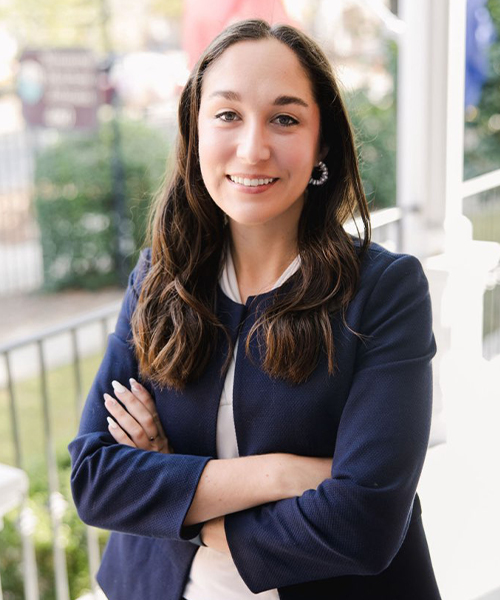
Bailey Marshall
Comparative Fault in Georgia
Georgia follows a modified comparative fault rule. This means that even if a driver is partially at fault for a collision, they may still recover damages if their responsibility is less than 50%. For example, if a driver was speeding but the construction site lacked proper signage, both the driver and the responsible contractor may share liability. A court or insurance company will assign percentages of fault, which then determine how much compensation is awarded.
Investigating Liability
Evidence is crucial in proving who is responsible for an accident. Drivers should take steps immediately after a collision:
- Document the Scene: Take clear photos of the roadway, signage, traffic cones, lane markings, skid marks, and any visible hazards. Capture the positions of all vehicles and damage.
- Gather Witnesses: Obtain contact information from anyone who saw the accident. Eyewitness accounts can clarify circumstances and support your case.
- File a Police Report: Law enforcement documentation provides an official record of the accident and often contains observations about traffic violations or contributing factors.
- Medical Records: Keep thorough documentation of all injuries and treatments. These records are critical for determining compensation for medical expenses and pain and suffering.
Complex Cases and Multiple Liable Parties
Construction zone accidents often involve more than one responsible party, which can make claims more complicated. For example, consider a scenario in Augusta where a driver rear-ended another vehicle due to a poorly marked lane shift. Investigation revealed that the lane markings were worn and cones had been displaced. In such a case, the contractor may share liability along with the driver who failed to maintain a safe following distance. Shared liability requires careful evaluation to ensure that compensation reflects the degree of fault for each party.
They made everything easy for me! Even when I lost faith in the car accident where a drunk driver hit me, they helped me through every process. They were quick as they could be and made everything easier for me while being in the process of my move to Japan for the Navy, full time student, and planning my own wedding. I appreciated the help. Thank you!” - Julissa Evans I had the pleasure of allowing Mr. Leland Malchow to represent my case and I would recommend 10star rating if possible. Not only was Mr. Leland very professional and knowledgeable, he also took the time to listen to my frustrations about my situation. He offered a listening ear, as well as some kind motivational advice. Our relationship has been through business only but I would extend a hand to him and the law firm from here on out. Thank you all and God Bless." - Chris Rowland Chris Johnson is an exceptional attorney for car wreck cases. His expertise, clear communication, thorough preparation, and effective negotiation skills led to a favorable outcome. With compassion and support, he guided me through the process, making him highly recommended for anyone in need of a skilled legal advocate." - Jayko Robinett
Legal Assistance
An experienced attorney from Malchow Johnson Injury Lawyers can guide clients through the complexities of construction zone accidents. Attorneys can:
- Investigate the scene and identify all responsible parties, including contractors and government entities.
- Collect evidence, interview witnesses, and document hazards.
- Negotiate with insurance companies to maximize recovery.
- File claims against contractors or governmental agencies when appropriate.
- Ensure that the client’s own potential comparative fault does not unfairly limit compensation.
Compensation for Construction Zone Accidents
Victims of construction zone accidents may be entitled to recover compensation for:
- Medical Expenses: Emergency care, hospitalization, surgery, and ongoing treatment.
- Lost Wages: Compensation for income lost due to injury-related time off work.
- Vehicle Damage: Repair or replacement of the damaged vehicle.
- Pain and Suffering: Emotional distress, physical pain, and reduced quality of life.
- Long-Term Care: In cases of severe injury, compensation may cover rehabilitation and future medical costs.
Preventing Construction Zone Collisions
Drivers can take precautions to minimize the risk of accidents:
- Obey All Posted Signs: Follow speed limits and directions carefully.
- Maintain Alertness: Avoid distractions such as phones or in-car technology.
- Increase Following Distance: Leave ample space to react to sudden stops or lane shifts.
- Watch for Workers and Equipment: Construction personnel and machinery may enter the roadway unexpectedly.
- Adjust to Road Conditions: Be prepared for uneven pavement, gravel, or temporary lane markers.
Choosing a Personal Injury Attorney How Much Is My Personal Injury Claim Worth?Related Videos
Seasonal Factors and Road Safety
Spring construction can present unique hazards. Rain can make surfaces slick, and sun glare during early mornings and late afternoons may reduce visibility. Seasonal changes in traffic patterns, such as increased tourism or school schedules, also contribute to risk. Drivers should adjust their habits to accommodate these variables, especially in areas like Augusta, where construction projects often intersect busy commuter routes.
Key Takeaways
Accidents in construction zones can have multiple parties at fault, including other drivers, contractors, and government entities. Georgia’s comparative fault system allows victims to recover compensation even when they share some responsibility. Prompt action after an accident, including documenting the scene, gathering evidence, and seeking legal guidance, is essential to protecting your rights. With the assistance of a skilled attorney from Malchow Johnson Injury Lawyers, victims can navigate the complex liability issues and pursue the compensation they deserve.
If you or a loved one have been injured in a construction zone accident in Georgia, it is crucial to consult an experienced attorney immediately. Malchow Johnson Injury Lawyers provides comprehensive legal guidance, thorough investigation, and aggressive advocacy to ensure that victims receive fair compensation for their injuries and damages. Contact our office today to schedule a confidential consultation and protect your legal rights.
Disclaimer: This content is for informational purposes only and does not constitute legal advice. Consult an attorney regarding your specific situation.
To learn more about this subject click here: What are the most common injuries from car accidents?

 |
 |