If you were hurt during a police chase in Augusta, North Augusta, or anywhere in the CSRA, you may have a claim against the fleeing driver, the driver’s insurer, a rideshare or commercial company, or in some situations a government agency. The most important steps are to get medical care, capture evidence early, and avoid statements to insurers until you understand your rights. Malchow Johnson Injury Lawyers helps crash victims in Georgia and South Carolina pursue the compensation they need after chaotic pursuit-related collisions.

They made everything easy for me! Even when I lost faith in the car accident where a drunk driver hit me, they helped me through every process. They were quick as they could be and made everything easier for me while being in the process of my move to Japan for the Navy, full time student, and planning my own wedding. I appreciated the help. Thank you!”
- Julissa Evans
I had the pleasure of allowing Mr. Leland Malchow to represent my case and I would recommend 10star rating if possible. Not only was Mr. Leland very professional and knowledgeable, he also took the time to listen to my frustrations about my situation. He offered a listening ear, as well as some kind motivational advice. Our relationship has been through business only but I would extend a hand to him and the law firm from here on out. Thank you all and God Bless."
- Chris Rowland
Chris Johnson is an exceptional attorney for car wreck cases. His expertise, clear communication, thorough preparation, and effective negotiation skills led to a favorable outcome. With compassion and support, he guided me through the process, making him highly recommended for anyone in need of a skilled legal advocate."
- Jayko Robinett
What Counts as a ‘Police Chase’ Crash
A police pursuit crash includes any collision that happens while officers try to stop a fleeing vehicle. That can involve:
• The suspect’s vehicle striking you or your vehicle
• A patrol car colliding with you or forcing evasive maneuvers that lead to impact
• A multi-vehicle pileup triggered by the pursuit
• Pedestrian or cyclist injuries in the path of the fleeing driver
First Steps to Protect Your Health and Your Claim
• Call 911 and accept transport if medics recommend it. Adrenaline hides injuries.
• Photograph vehicles, debris, skid marks, dash displays, and your injuries. If safe, record short video of the scene before vehicles move.
• Ask witnesses for names and phone numbers. Note nearby businesses with cameras.
• Do not post about the crash on social media.
• Politely decline recorded statements to insurers until you speak with an attorney.
• Keep receipts and visit summaries for every medical appointment.
A Quick Word on Who May Be Liable
Liability depends on how the crash happened. Often, the fleeing driver is primarily at fault. In other cases, pursuit tactics or policy violations may play a role. More than one party can share responsibility. Your claim may involve:
• The fleeing driver and that driver’s insurer
• The vehicle owner, if different from the driver
• A rideshare or delivery company when the fleeing driver was on the job
• A government entity if a patrol vehicle hit you or pursuit decisions fell outside policy
• A bar or store in limited dram shop scenarios where an at-fault driver was overserved
If a Fleeing Driver Hit You
You can pursue a traditional negligence claim. Your damages can include medical costs, lost income, pain and suffering, and property damage. If there is limited liability insurance or the driver fled uninsured, your uninsured or underinsured motorist coverage may help. This is common in high-speed pursuits. If questions about your policy come up, an attorney can review declarations, stacking options, and offsets before you sign anything.
Attorney - Partner Attorney - Partner Associate Attorney Associate Attorney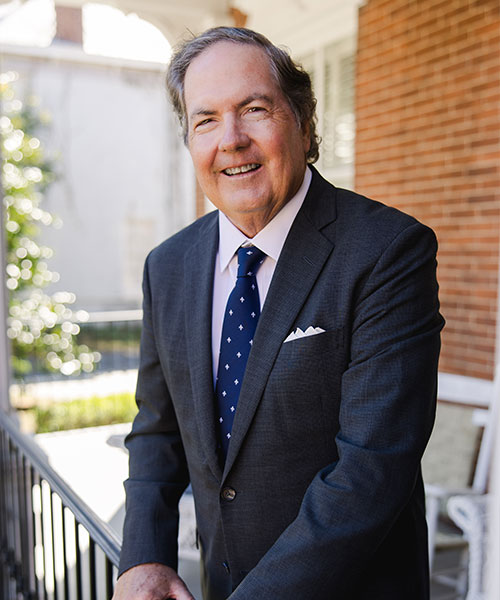
Leland Malchow

Chris Johnson
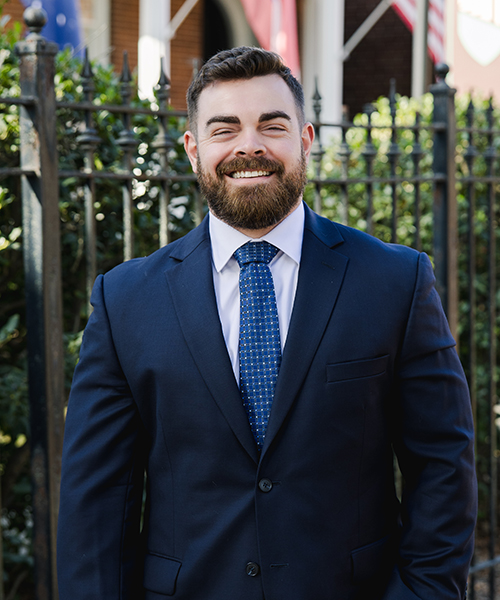
Dane Anderson

Bailey Marshall
If a Patrol Car Hit You or Pursuit Tactics Are At Issue
Claims that involve law enforcement are more complex. Government agencies raise defenses that do not appear in an ordinary crash case. Time limits can be shorter because of notice rules. The analysis can turn on department policies, training, and whether the situation met criteria for initiating or continuing a chase. Prompt preservation of radio traffic, dash and body camera video, computer-aided dispatch data, GPS pings, and written pursuit reports is critical. An attorney can send evidence preservation letters and formal notices before that material is overwritten.
Evidence That Can Make or Break a Police Chase Case
• Dispatch audio and logs with timestamps
• Dash and body camera video from all involved officers
• Patrol vehicle GPS and crash data modules
• Private surveillance from gas stations, parking lots, or homes along the route
• Event data recorder downloads from damaged vehicles
• Scene measurements, skid marks, gouge marks, and debris fields
• Witness statements taken close in time to the crash
• Cell phone data when distraction may have contributed
One short, clear request can help: ask that all dash, body, and dispatch recordings tied to your incident be preserved. An attorney from Malchow Johnson Injury Lawyers can formalize and expand that request right away.
How Fault Is Evaluated in Police Chase Collisions
Investigators look at speed, lighting, traffic density, visibility, road design, and whether sirens and lights were activated. With pursuits through heavy traffic on Bobby Jones Expressway or along busy corridors like Washington Road and River Watch Parkway, decision-making is scrutinized closely. Questions include: Was there a safer alternative to a high-speed chase? Did the risk to the public outweigh the need to continue? Were containment tactics available? These details matter because they influence whether a government entity may face liability, and they also shape how insurers value the case.
Common Injuries and the Value of Early Treatment
Police chase crashes often involve powerful forces, sudden lane changes, and secondary impacts. Common injuries include concussions, whiplash, fractures, herniated discs, internal injuries, and knee or shoulder damage from bracing. Early diagnosis helps recovery and documents the link between the crash and your symptoms, which supports your claim.
How Insurance Coverage May Work in a Pursuit Crash
• At-fault driver’s liability coverage: the starting point for most claims.
• Employer or commercial policy: if the fleeing driver was working or driving a company car.
• Your uninsured or underinsured motorist coverage: vital when limits are low or the driver flees the scene.
• MedPay: optional benefits that can help with immediate bills regardless of fault.
• Government risk pool or self-insurance: when a patrol vehicle or agency is involved.
Understanding how these sources interact prevents gaps and reduces surprises during settlement talks.






How These Cases Resolve
Many pursuit-related claims settle through negotiation once evidence is preserved and liability is clear. Complex cases can require suits in state or federal court. If a government entity is involved, strict notice rules and shorter deadlines can apply. Missing these deadlines can end a claim. Prompt legal help protects your options.
When a Police Chase Leads to a Fatality
If a family member was killed, a wrongful death claim can seek compensation for the full value of the life of the decedent under Georgia law, along with estate claims for medical bills and funeral costs. For families in the CSRA, you can read more about this topic on the firm’s wrongful death page, then reach out for guidance tailored to your situation.
What to Do if You Were a Pedestrian or Cyclist
Pursuits often spill into crosswalks and shoulders where people have little protection. Medical care and fast evidence collection are crucial. If this matches your situation, these pedestrian-focused resources can help you understand next steps before you speak with an insurer.
Special Considerations When a Truck or Bus is Involved
Pursuit routes sometimes pass tractor-trailers and buses. A crash that involves a commercial vehicle raises additional questions about stopping distances, blind spots, and federal safety rules. If your injuries involve a heavy truck or tractor-trailer, see the firm’s truck accident information and contact us to discuss preservation of driver logs and electronic control module data.
How Malchow Johnson Injury Lawyers Can Help
Our team investigates quickly, secures officer and dispatch recordings, interviews witnesses, and works with experts in accident reconstruction and police practices. We keep you informed, involve you in key decisions, and prepare every case for the possibility of trial. Clients choose our firm for local insight into Augusta and North Augusta roads, responsive communication, and a methodical approach to documenting medical care and long-term needs. When you are ready, start the conversation here.
Related Videos
Choosing a Personal Injury Attorney
How Much Is My Personal Injury Claim Worth?
Frequently Asked Questions
Is a police chase crash the same as any other car accident?
Not exactly. Evidence sources are broader and can include agency policies, pursuit training records, and recordings from multiple officers. Notice deadlines can be shorter when a government entity may be responsible.
Can I still recover if the fleeing driver is never caught?
Possibly, through your uninsured motorist coverage. You should report the crash to your carrier as required by the policy. Talk with an attorney before giving a recorded statement, so you do not limit your claim by accident.
What if I was a passenger in the fleeing car?
You may still have a claim, but facts matter. Your knowledge of the driver’s flight, any pressure you applied to continue, and your conduct at the scene can be relevant. Talk privately with a lawyer to understand your options.
What if I think the chase should have been called off?
That question centers on policy and risk to the public. A case assessment will compare the facts against pursuit policies and training standards, then evaluate whether alternative tactics were available.
How long do I have to file a claim?
Deadlines vary. Claims that involve a city, county, or state agency often require early written notice. Waiting can close doors that might still be open today. Speak with a lawyer as soon as you can.
If a police chase turned your life upside down, you do not have to figure it out alone. Contact Malchow Johnson Injury Lawyers for a free consultation. Start with a secure message on the contact page and get answers about evidence, deadlines, and next steps.
Learn More About Related Topics
If you want to explore other injury topics while you weigh next steps, the firm’s practice overview is a good starting point.
Client Testimonials
Construction Accident Client Testimonial
Workers' Comp Client Testimonial

 |

 |