
Crash risks often rise before the Fourth of July because late June brings heavier traffic, longer road trips, distracted driving, impaired driving, and unfamiliar routes. In Georgia and South Carolina, holiday travelers may face congestion on I-20, I-520, I-95, local Augusta corridors, and routes leading toward lakes, beaches, and family gatherings. A crash during this period can create medical, financial, and insurance problems that last well beyond the holiday. Knowing why these collisions happen, what evidence matters, and when to speak with a lawyer can help injured people protect their health and their claim.
Why Late June Can Be More Dangerous for Drivers 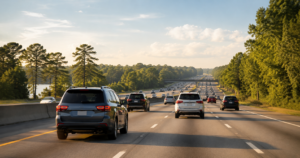
The Fourth of July holiday does not begin on July 4 for many families. Travel often starts in late June as people leave early for vacation, lake weekends, beach trips, military leave, family reunions, and community events. Around Augusta and the Central Savannah River Area, that can mean more drivers on major highways, rural roads, and city streets at the same time.
Late June crash risks often increase because several factors overlap:
- More vehicles are on the road.
- Drivers are more likely to be tired from long-distance travel.
- People may be driving in unfamiliar areas.
- Teen and young adult drivers may be out of school and on the road more often.
- Vacation schedules can lead to rushed driving.
- Impaired driving risks may rise around early holiday celebrations.
- Road construction, sudden summer storms, and heavy afternoon traffic can add stress.
No single factor explains every wreck. Many holiday crashes happen because two or more risks combine. For example, a driver leaving work early may be speeding through congestion while checking directions. A tired visitor may miss a red light near a busy intersection. A family returning from the lake may encounter an impaired driver after dark.






How Fourth of July Traffic Affects Georgia and South Carolina Roads
Georgia and South Carolina both see seasonal travel patterns around the Fourth of July. Drivers head toward Savannah, Charleston, Hilton Head, Myrtle Beach, Lake Thurmond, Clarks Hill Lake, Columbia, Atlanta, and coastal destinations. Augusta also sits near major routes that connect Georgia and South Carolina, which means local roads may carry both everyday commuters and out-of-town travelers.
This matters because traffic patterns change quickly. A road that usually feels predictable on a weekday may become more dangerous when it includes:
- Out-of-state drivers using GPS at the last second.
- Drivers towing boats, campers, or trailers.
- Families making frequent stops for fuel, food, or restrooms.
- Motorcyclists and bicyclists sharing scenic or recreational routes.
- Commercial trucks moving through holiday congestion.
- People driving after fireworks, cookouts, or early celebrations.
When traffic volume rises, small mistakes can lead to serious harm. Tailgating, unsafe lane changes, and speeding leave drivers with less time to react. A rear-end crash near an exit ramp or a side-impact crash at a crowded intersection can cause injuries even at moderate speeds.
Common Causes of Late June Holiday Car Accidents
Every crash has its own facts, but certain causes appear more often during busy travel periods.
Distracted driving
Drivers may look at GPS directions, respond to messages, adjust music, or talk to passengers. During holiday travel, distraction becomes more dangerous because roads are busier and drivers may not know what to expect.
Impaired driving
Alcohol-related driving can become a greater concern during early holiday parties, lake outings, and evening events. Drug impairment, including prescription medication that causes drowsiness, can also affect reaction time and judgment. If impairment may have played a role, evidence from the scene, police investigation, witness statements, and available video can become critical.
Attorney - Partner Attorney - Partner Associate Attorney Associate Attorney
Leland Malchow

Chris Johnson
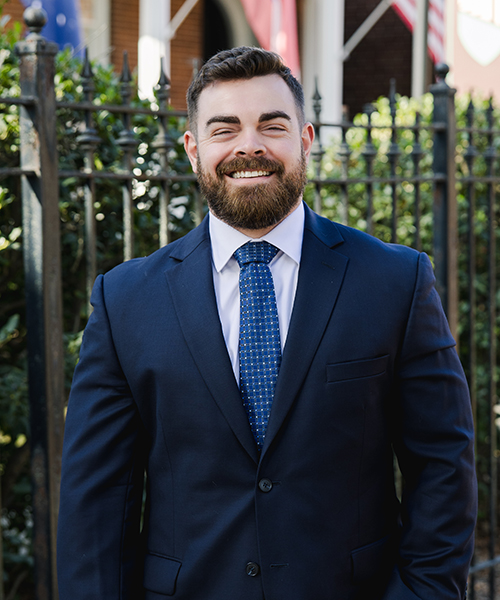
Dane Anderson

Bailey Marshall
Fatigued driving
Late June road trips often begin after a full workday. A tired driver may drift between lanes, follow too closely, or fail to brake in time. Fatigue can be especially dangerous on long stretches of highway or rural roads.
Speeding and aggressive driving
Holiday traffic frustrates some drivers. Speeding, weaving through traffic, and cutting off other vehicles may cause chain-reaction crashes. When a driver chooses speed over safety, the results can be severe.
Unfamiliar roads
Out-of-town drivers may make sudden turns, stop unexpectedly, or miss traffic signals. Local drivers may also become impatient with slower visitors. This mix can create risk around exits, intersections, shopping areas, and recreational destinations.
Poor vehicle preparation
A driver who ignores worn tires, faulty brakes, broken lights, or overloaded cargo can put others at risk. Heat, long distances, and heavy loads may worsen mechanical problems during summer travel.
What Injuries Are Common in Holiday Car Accidents?
Holiday crashes can cause injuries that appear immediately or develop over several days. Some people feel pain at the scene. Others feel shaken at first and notice symptoms later.
Common injuries include:
- Whiplash and soft tissue injuries.
- Concussions and traumatic brain injuries.
- Back, neck, and spinal injuries.
- Broken bones.
- Shoulder, knee, and wrist injuries.
- Burns or cuts from glass, airbags, or vehicle parts.
- Internal injuries.
- Emotional distress, anxiety, or sleep problems after the crash.
Medical care matters for both health and documentation. A delay in treatment can make recovery harder. It can also give an insurance company room to argue that the injury came from something other than the crash.
After a wreck, injured people can learn more about the claims process through resources such as the firm’s Georgia car accident settlement guide at https://nmjfirm.com/car-accident/what-to-expect-during-the-car-accident-settlement-process-in-georgia/ and information on medical bills after a crash at https://nmjfirm.com/car-accident/car-accident-medical-bills/.
They made everything easy for me! Even when I lost faith in the car accident where a drunk driver hit me, they helped me through every process. They were quick as they could be and made everything easier for me while being in the process of my move to Japan for the Navy, full time student, and planning my own wedding. I appreciated the help. Thank you!” - Julissa Evans I had the pleasure of allowing Mr. Leland Malchow to represent my case and I would recommend 10star rating if possible. Not only was Mr. Leland very professional and knowledgeable, he also took the time to listen to my frustrations about my situation. He offered a listening ear, as well as some kind motivational advice. Our relationship has been through business only but I would extend a hand to him and the law firm from here on out. Thank you all and God Bless." - Chris Rowland Chris Johnson is an exceptional attorney for car wreck cases. His expertise, clear communication, thorough preparation, and effective negotiation skills led to a favorable outcome. With compassion and support, he guided me through the process, making him highly recommended for anyone in need of a skilled legal advocate." - Jayko Robinett
What to Do After a Late June or Fourth of July Crash
The minutes and days after a crash can feel confusing. Safety comes first. Legal and insurance steps come after medical needs are addressed.
Consider these steps when possible:
- Call 911 and report the crash.
- Get medical attention, even if symptoms seem minor.
- Move to a safe location if you can do so without risking further injury.
- Take photos of vehicles, road conditions, traffic signs, skid marks, debris, injuries, and visible hazards.
- Exchange information with other drivers.
- Get names and contact information for witnesses.
- Avoid arguing about fault at the scene.
- Do not give a recorded statement to an insurance adjuster before understanding your rights.
- Keep medical records, repair estimates, rental car receipts, missed work records, and claim letters.
These steps can help preserve evidence. For more practical guidance, injured drivers can review https://nmjfirm.com/car-accident/advice-after-a-car-accident/ and https://nmjfirm.com/car-accident/common-mistakes-after-a-car-accident/.
How Fault Can Affect a Georgia or South Carolina Car Accident Claim
Fault is often one of the biggest disputes after a crash. Insurance companies may investigate whether one driver caused the wreck or whether several people share responsibility.
In Georgia, personal injury claims are affected by modified comparative fault. If an injured person is found partly responsible, compensation may be reduced by that percentage. If the person is found 50 percent or more at fault, recovery may be barred.
South Carolina also uses a modified comparative negligence system. A person may generally recover damages if their share of fault does not exceed the legal threshold, but any recovery may be reduced by their percentage of fault.
These rules make evidence especially valuable. A crash report alone may not tell the whole story. Photos, video, vehicle damage, witness statements, phone records, event data, and expert analysis may help show what happened. This can be especially true when holiday congestion creates conflicting stories about who had the right of way, who was speeding, or who changed lanes.
Choosing a Personal Injury Attorney How Much Is My Personal Injury Claim Worth?Related Videos
Why Insurance Claims Can Be Harder After Holiday Crashes
Holiday crashes may involve several complicating factors. The at-fault driver may live in another state. A rental vehicle may be involved. A rideshare driver, commercial vehicle, uninsured driver, or underinsured driver may be part of the crash. The injured person may need treatment while away from home. Witnesses may leave the area after the holiday weekend.
Insurance companies may also move quickly. An adjuster may call soon after the crash and ask for a recorded statement. The adjuster may sound helpful, but the statement can later be used to challenge injuries, fault, or the timeline of symptoms. That is why careful communication matters.
If the other driver has no insurance or not enough insurance, the injured person may need to look at uninsured or underinsured motorist coverage. The firm has a helpful resource on this issue at https://nmjfirm.com/car-accident/injured-by-an-uninsured-driver/.
When a Holiday Crash Involves a Drunk Driver
Late June and Fourth of July celebrations may include alcohol. If a drunk driver causes a crash, the injured person may have a civil injury claim separate from any criminal case. The criminal case focuses on punishment and public safety. The civil claim focuses on the injured person’s losses.
Evidence may include:
- Police observations.
- Field sobriety or chemical test information.
- Witness statements.
- Video from nearby businesses or homes.
- Receipts or location data.
- Prior unsafe driving behavior before the crash.
A drunk driving crash can cause serious injuries, but it can also create complex insurance issues. More information is available at https://nmjfirm.com/car-accident/drunk-driver-car-accident/.
What Compensation May Be Available After a Car Accident?
The value of a car accident claim depends on the facts. No lawyer can guarantee an outcome. Possible damages may include medical expenses, future treatment costs, lost income, reduced earning ability, property damage, pain and suffering, and other losses tied to the injury.
Documentation helps connect those losses to the crash. Medical records show diagnosis and treatment. Employment records show missed work. Photos and journals may show the impact on daily life. Repair estimates and vehicle photos may help explain crash severity.
In serious cases, future damages may matter as much as past bills. A person with a back injury, brain injury, or permanent impairment may need ongoing treatment or may not return to the same work. An attorney can help identify damages that an insurance company may overlook.
How an Attorney Can Help After a Late June Crash
An attorney’s role is not only to file paperwork. A lawyer can investigate the crash, identify insurance coverage, gather records, communicate with adjusters, calculate damages, and prepare the case for settlement negotiations or litigation.
This can be valuable after holiday crashes because evidence can disappear quickly. Skid marks fade. Vehicles get repaired or destroyed. Surveillance video may be overwritten. Witnesses return home. A prompt investigation can help protect the claim.
Malchow Johnson Injury Lawyers represents injured people in Georgia and South Carolina and offers free consultations. The firm’s work reflects what many injured clients need most after a crash: clear guidance, careful preparation, and steady communication during a stressful time.
Speak With a Georgia or South Carolina Car Accident Lawyer
If you were hurt in a late June or Fourth of July crash, you do not have to sort through insurance questions alone. Malchow Johnson Injury Lawyers can review what happened, explain your options, and help you decide the next step. Contact the firm to schedule a free consultation.
This article is for informational purposes only and is not legal advice. Consult an attorney about your specific situation.