
Bellamy Curve in the City of Beaufort is a tight 90-degree turn where Carteret and Boundary Streets meet. Drivers who misjudge speed or lane position can end up in the tidal marsh or strike pedestrians on the sidewalk. Local officials and SCDOT have discussed safety changes, but crashes still happen. If you must drive this curve, slow to advisory speed, track your lane through the apex, and leave extra room for bicyclists and walkers. If your vehicle goes into the marsh, get out fast, avoid cutting yourself on oysters or debris, move to high ground, and call 911. Then get medical care and legal help before speaking to an insurance adjuster.

They made everything easy for me! Even when I lost faith in the car accident where a drunk driver hit me, they helped me through every process. They were quick as they could be and made everything easier for me while being in the process of my move to Japan for the Navy, full time student, and planning my own wedding. I appreciated the help. Thank you!”
- Julissa Evans
I had the pleasure of allowing Mr. Leland Malchow to represent my case and I would recommend 10star rating if possible. Not only was Mr. Leland very professional and knowledgeable, he also took the time to listen to my frustrations about my situation. He offered a listening ear, as well as some kind motivational advice. Our relationship has been through business only but I would extend a hand to him and the law firm from here on out. Thank you all and God Bless."
- Chris Rowland
Chris Johnson is an exceptional attorney for car wreck cases. His expertise, clear communication, thorough preparation, and effective negotiation skills led to a favorable outcome. With compassion and support, he guided me through the process, making him highly recommended for anyone in need of a skilled legal advocate."
- Jayko Robinett
Why Bellamy Curve Is Risky
The roadway geometry forces a sudden change of direction with limited forgiveness. The marsh edge and sidewalk run close to the travel lanes, so there is little recovery zone if a driver enters the turn too hot, clips the curb, or hydroplanes. Recent coverage has highlighted crashes, near-misses with pedestrians, and vehicles “nose-in” to the marsh. Even with improved signage or striping under review, human factors like speed, distraction, unfamiliarity with the curve, and wet pavement remain the main triggers.
How to Drive Bellamy Curve Safely
• Set your speed before the turn. If you see brake lights inside the curve, you entered too fast.
• Look through the turn. Keep your eyes on your intended lane exit, not the marsh or sidewalk.
• Hold a steady line. Avoid abrupt steering or braking inputs mid-curve, especially on wet pavement.
• Leave space for vulnerable users. Expect people walking or biking along Boundary and Carteret.
• Stay in your lane on the apex. Do not straighten the curve by crossing the centerline.
• Night and rain call for more caution. Glare, puddling, and slick spots reduce margin for error.
• Watch tides after storms. High water can mask standing water at the edge of the pavement.
Local Context That Matters
Beaufort County’s marshes have pluff mud, oyster beds, and hidden debris. If a tire drops off the edge near the curve, soft shoulders and wet marsh grass can pull a vehicle off line. If you are visiting from inland, expect sharper coastal wind gusts and salt spray that can reduce traction. News reports show ongoing public pressure for safety upgrades, which may change signs or markings, but drivers still need to treat the curve as a hazard zone year-round.
Attorney - Partner Attorney - Partner Associate Attorney Associate Attorney
Leland Malchow
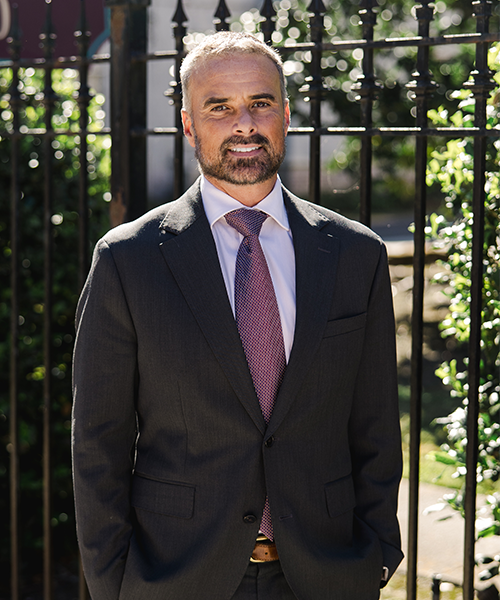
Chris Johnson
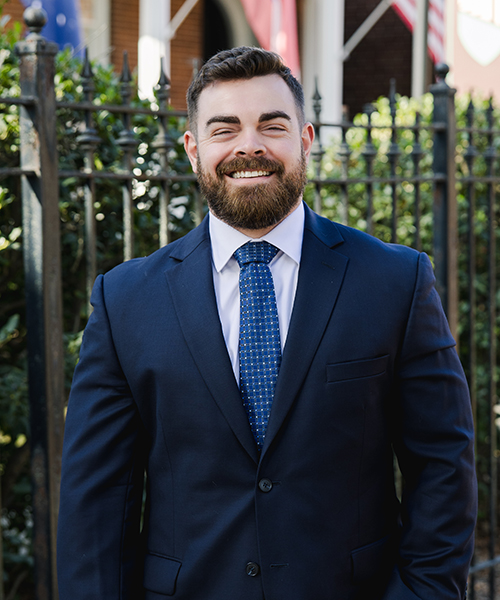
Dane Anderson

Bailey Marshall
If Your Car Goes Into the Marsh: Step-by-Step
-
Check your orientation. If the vehicle is still moving, brace, keep hands away from airbag panels, and wait for the vehicle to settle.
-
Unbuckle and unlock. Once the vehicle stops, remove your seatbelt and hit the unlock button.
-
Power windows first. If the electronics work, lower a window and exit.
-
If windows do not work, break the side window. Use a window punch or the metal prongs of a headrest. Aim for a corner of the glass. Do not try to break the windshield.
-
Exit fast and move away from the vehicle. Waterlogged doors are hard to open. If you must open a door, expect a heavy push and a surge of water.
-
Watch your footing. Marsh bottom is soft and uneven. Shuffle your feet to avoid stepping on oysters or glass.
-
Get to high ground. Climb to the shoulder or sidewalk and move well away from the water’s edge.
-
Call 911 and request EMS. Cold water, cuts, and inhalation risks are common even if you feel “fine.”
-
Do not go back for items. Phone, purse, laptop, and documents can be replaced.
-
After EMS clears you, photograph the scene from a safe location if possible and get towing information for your insurer.
Medical and Insurance Steps After a Marsh Incident
• Get a medical evaluation the same day. Saltwater exposure and soft-tissue injuries often feel worse overnight.
• Notify your insurer promptly, but keep it brief. Provide time, location, and basic facts.
• Avoid recorded statements until you understand your rights. Insurers may ask leading questions about speed or distraction. A quick consultation helps you avoid mistakes. For guidance on early steps and recorded statements, see the firm’s car crash resources and FAQs, which explain what to do right after a wreck and why you should be careful with insurer interviews.
Who Could Be Responsible After a Bellamy Curve Crash
Every case turns on facts, but potential at-fault parties can include another driver who forced you off line, a distracted or impaired motorist crossing into your lane, or in limited circumstances a governmental entity if negligent maintenance created an unreasonably dangerous condition. Claims against public agencies follow strict notice rules and short deadlines. Speak with counsel early.







Evidence That Helps
• Body-cam or traffic camera requests when available
• Witness names and contact information
• Photos of skid marks, curb strikes, wheel tracks into the marsh, and damaged guardrails
• Towing, repair, and salvage records
• Weather and tide data if visibility, puddling, or high water contributed
• Medical records that document cuts, immersion, and any head or neck symptoms
Common Mistakes to Avoid
• Guessing on speed when an adjuster calls
• Posting photos or “I’m okay” updates on social media that can be used against you
• Delaying care for minor head bumps, chest soreness from airbags, or breathing irritation from water exposure
• Signing broad medical authorizations before you know the scope of your injuries
• Assuming you cannot recover because you were “partly at fault.” Georgia and South Carolina both allow recovery in many shared-fault situations, though rules differ by state. Get tailored advice.
When Children or Older Adults Are Passengers
Plan an escape method in advance. Keep a spring-loaded glass breaker within reach of the driver and front passenger. If you travel with child seats, practice unbuckling quickly. For older adults, place the window tool where it can be reached without bending. Explain your plan before you drive the curve.
Related Videos
Choosing a Personal Injury Attorney
How Much Is My Personal Injury Claim Worth?
Seasonal Notes for Beaufort County
Summer storms and late-day showers leave slick residue on the surface. Winter brings earlier darkness and colder water that increases shock risk. During hurricane season, watch for post-storm debris and temporary traffic control near the curve.
How Malchow Johnson Injury Lawyers Can Help
Local insight and a methodical approach matter after any roadway incident that involves water or a roadside hazard. Malchow Johnson Injury Lawyers investigates quickly, obtains 911 and dispatch recordings, coordinates with accident reconstruction experts, and tracks your medical care so your claim reflects the full impact on your life. Reach out if you or a loved one was hurt at or near Bellamy Curve or anywhere in Beaufort County. We serve Georgia and nearby South Carolina communities and offer a free consultation.
Helpful Next Reads From Our Site
If You Were Just in a Crash, These Guides Explain What to Do Next and How Claims Work:
• Steps to take after a car accident
• Car accident case timeline
• Fixing your car after an accident
• Choosing a car accident attorney
Have questions after a crash at Bellamy Curve or anywhere in Beaufort County? Call Malchow Johnson Injury Lawyers for a free consultation. We will listen, explain your options, and map the next steps together.
Client Testimonials
Construction Accident Client Testimonial
Workers' Comp Client Testimonial


 |

 |