
Malchow Johnson Injury Lawyers frequently assist drivers who experience accidents along SC-170 near Bluffton and Beaufort, South Carolina. SC-170 serves as a crucial link between residential areas, commercial zones, and popular tourist destinations such as Hilton Head Island. This highway sees heavy traffic year-round, but the risk of collisions intensifies during spring and summer when seasonal visitors increase congestion and introduce unfamiliar driving patterns. Drivers encounter multiple challenges, including narrow lanes, limited shoulders, and areas with curves that reduce visibility. Understanding these conditions and how they contribute to collisions is critical for anyone traveling along SC-170.







Traffic Volume and Seasonal Surges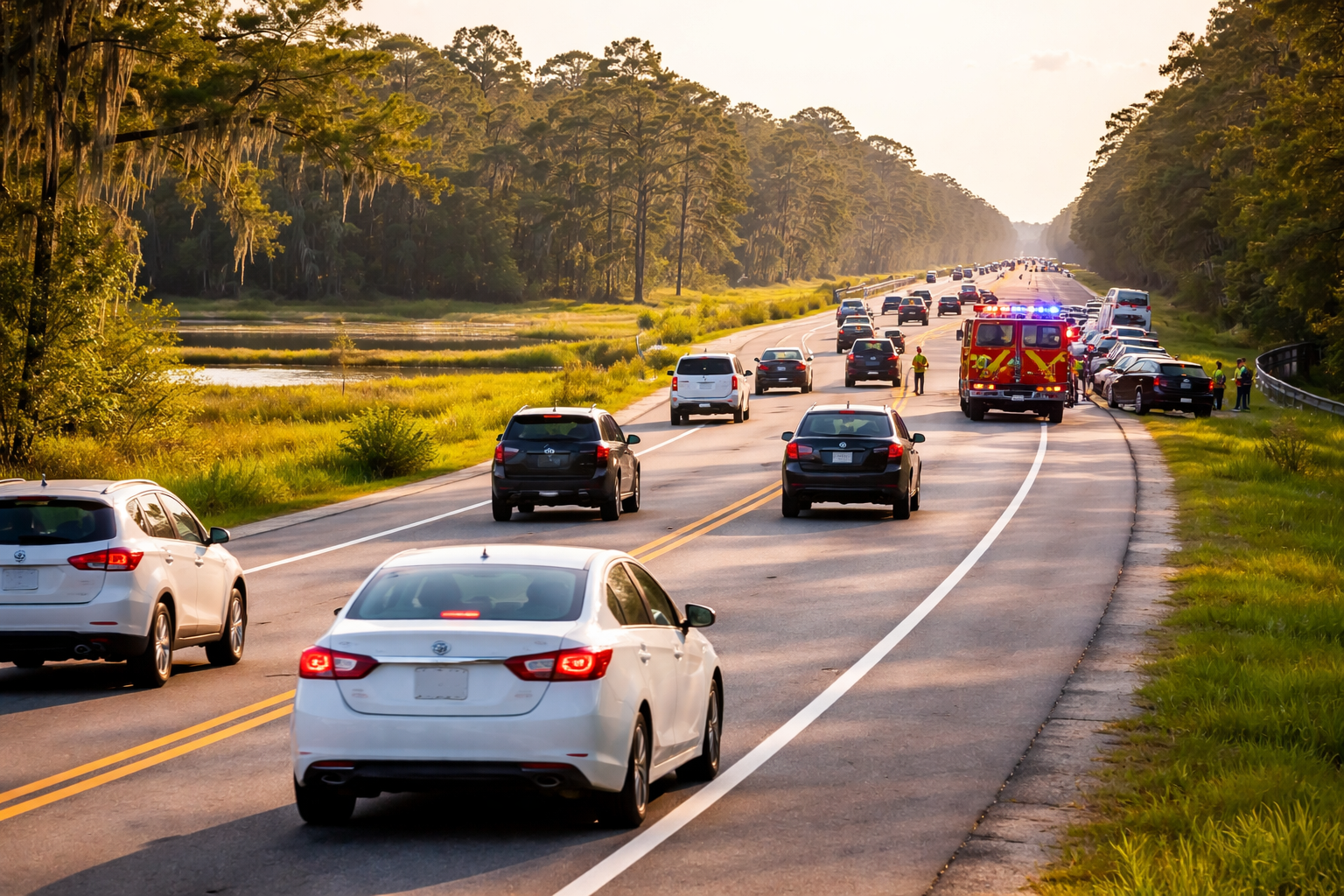
The combination of local commuters and seasonal tourists creates a complex driving environment. In spring, the influx of vacationers to Beaufort and Hilton Head Island can nearly double the usual traffic volume on SC-170. Many of these drivers are unfamiliar with the road, which can result in sudden braking, lane changes without signaling, and slower reaction times. These behaviors contribute to rear-end collisions and side-impact accidents, particularly in areas approaching major intersections or where two-lane sections merge with four-lane zones. In addition to vehicles, SC-170 sees more bicyclists, pedestrians, and delivery trucks during this period, which adds further complexity to driving safely.
Common Crash Types Along SC-170
Accidents along this corridor often follow predictable patterns due to roadway design and traffic behavior. Rear-end collisions are among the most frequent, typically caused by abrupt stops in congested areas. Side-impact crashes often occur at intersections, especially where stop signs or traffic signals are obscured by vegetation or poor lighting. Single-vehicle run-off-road accidents are common in curved sections or areas with narrow shoulders. Multi-vehicle pileups can happen during sudden rain showers or periods of high tourist traffic, underscoring the importance of defensive driving.
Impact of Weather and Visibility
Although the spring season brings milder weather, sudden thunderstorms can quickly create hazardous conditions. Rain reduces tire traction and can obscure lane markings, making it more difficult to maintain a safe distance from other vehicles. Foggy mornings, common near waterways, reduce visibility and heighten the risk of collisions. Drivers should always adjust speed according to current weather conditions and ensure that headlights and windshield wipers are fully functional before entering SC-170.

Leland Malchow
Attorney - Partner

Chris Johnson
Attorney - Partner

Dane Anderson
Associate Attorney

Bailey Marshall
Associate Attorney
Road Layout and Design Considerations
SC-170’s design contributes to the likelihood of accidents. Many sections feature narrow lanes with minimal shoulders, limiting maneuverability for both passenger vehicles and larger commercial trucks. Sharp curves and elevation changes require attentive driving, especially at higher speeds. Limited signage or poorly visible warning markers can make it difficult for drivers to anticipate hazards. Travelers unfamiliar with these areas, particularly tourists navigating via GPS, may react too late to sudden changes in traffic flow, further increasing accident risk.
Preventative Driving Measures
Defensive driving is the most effective way to minimize risk on SC-170. Key strategies include:
- Maintaining awareness: Avoid distractions such as mobile devices or eating while driving.
- Adjusting speed appropriately: Always drive according to traffic and road conditions rather than relying solely on the posted speed limit.
- Planning travel: Check traffic updates, especially during spring weekends or holidays when tourist traffic spikes.
- Early signaling: Communicate lane changes or turns well in advance to give surrounding drivers ample reaction time.
- Increasing following distance: This is particularly important when driving behind trucks or in areas prone to congestion.
- Anticipating seasonal hazards: Be alert for cyclists, pedestrians, and temporary construction zones common during tourist season.

They made everything easy for me! Even when I lost faith in the car accident where a drunk driver hit me, they helped me through every process. They were quick as they could be and made everything easier for me while being in the process of my move to Japan for the Navy, full time student, and planning my own wedding. I appreciated the help. Thank you!”
- Julissa Evans
I had the pleasure of allowing Mr. Leland Malchow to represent my case and I would recommend 10star rating if possible. Not only was Mr. Leland very professional and knowledgeable, he also took the time to listen to my frustrations about my situation. He offered a listening ear, as well as some kind motivational advice. Our relationship has been through business only but I would extend a hand to him and the law firm from here on out. Thank you all and God Bless."
- Chris Rowland
Chris Johnson is an exceptional attorney for car wreck cases. His expertise, clear communication, thorough preparation, and effective negotiation skills led to a favorable outcome. With compassion and support, he guided me through the process, making him highly recommended for anyone in need of a skilled legal advocate."
- Jayko Robinett
Emergency Response After a Crash
Despite all precautions, accidents can occur. Immediate steps should be taken to ensure safety and legal protection:
- Move vehicles out of traffic if possible and activate hazard lights.
- Call 911 to report any injuries or serious damage.
- Document the scene thoroughly, including photos of vehicles, road conditions, and any relevant signs or obstructions.
- Gather contact information from witnesses.
- Seek prompt medical attention, even if injuries appear minor.
- Contact an experienced firm such as Malchow Johnson Injury Lawyers for guidance on insurance claims, liability assessment, and legal options.
Legal Assistance and Rights
Drivers involved in SC-170 accidents may face complex claims involving multiple parties, including uninsured or underinsured motorists, commercial trucks, or rental vehicles. Legal representation ensures that victims understand their rights and receive appropriate compensation for medical expenses, lost wages, and property damage. Malchow Johnson Injury Lawyers offers comprehensive support for residents and visitors in Bluffton, Beaufort, and surrounding areas, guiding clients through the legal process and advocating for maximum recovery. For more information, see road conditions causing accidents and selecting a car accident lawyer in South Carolina.
Related Videos
Choosing a Personal Injury Attorney
How Much Is My Personal Injury Claim Worth?
Community and Road Safety Initiatives
Local authorities regularly review SC-170 to improve safety, including adding signage, road markings, and traffic control devices. Drivers are encouraged to participate in community safety programs, such as defensive driving workshops and seasonal awareness campaigns. Reporting hazards, such as potholes, poor lighting, or obscured signage, helps reduce the likelihood of accidents. Additionally, seasonal alerts inform travelers about increased congestion near Hilton Head Island, restaurants, and shopping areas, emphasizing safe driving practices during peak tourist months.
Tips for Navigating Tourist-Heavy Sections
For drivers commuting between Bluffton and Beaufort during spring, extra caution is essential:
- Anticipate erratic driving from tourists unfamiliar with local roads.
- Slow down near major intersections, shopping centers, and recreational areas.
- Give cyclists and pedestrians extra space, particularly near bridges, parks, and waterfront zones.
- Be patient with congestion, understanding that traffic delays are often temporary.
- Use GPS navigation tools with traffic updates to avoid sudden lane changes or dangerous maneuvers.
Long-Term Safety Considerations
Accidents on SC-170 can have long-term consequences for victims, ranging from chronic pain to loss of income or permanent disability. Consistent adherence to traffic laws, proper vehicle maintenance, and defensive driving can prevent many incidents. In case of an accident, consulting with Malchow Johnson Injury Lawyers ensures that victims are not left navigating insurance and legal systems alone. Legal support includes assistance with filing claims, negotiating settlements, and pursuing litigation if necessary to secure rightful compensation.
SC-170 is a vital corridor connecting Bluffton, Beaufort, and Hilton Head Island, but it presents unique challenges due to high traffic volumes, seasonal tourist surges, and roadway conditions. Drivers must remain vigilant, adjust speed for weather and congestion, and practice defensive driving to reduce collision risk. In the event of an accident, having clear knowledge of immediate steps and access to experienced legal representation is essential. Malchow Johnson Injury Lawyers is available to guide accident victims through the recovery process, protect their rights, and ensure they receive fair compensation.
Disclaimer: This content is for informational purposes only and does not constitute legal advice. Consult an attorney for guidance on specific situations.


 |

 |