
Summary: What SC Code § 15-51-10 Says in Plain Language
SC Code § 15-51-10 is South Carolina’s core wrongful death statute. It says that when a person’s death is caused by someone else’s wrongful act, neglect, or default, the at-fault party may be sued for damages as if the person had lived and brought a personal injury claim. The statute applies even when the conduct amounts to a felony. If the wrongdoer dies, the claim continues against that person’s estate through the personal representative.
Key Takeaways You Can Use Right Now
• A wrongful death case exists if the person could have filed a personal injury case had they survived.
• The claim may proceed even if the death arose from conduct that is also a crime.
• If the at-fault party has passed away, the claim carries forward against the wrongdoer’s personal representative.
Who Files the Lawsuit and Who It Is For
South Carolina separates the questions of who files and who benefits.
Who files: the executor or administrator of the deceased person’s estate files the lawsuit in the name of the estate. Families can work with probate to have a personal representative appointed if one is not already in place.
Who benefits: the financial recovery is for specific family members. By statute, the first tier is the surviving spouse and children. If there is no spouse or child, the second tier is the deceased person’s parents. If there are no parents, the recovery goes to the legal heirs.

They made everything easy for me! Even when I lost faith in the car accident where a drunk driver hit me, they helped me through every process. They were quick as they could be and made everything easier for me while being in the process of my move to Japan for the Navy, full time student, and planning my own wedding. I appreciated the help. Thank you!”
- Julissa Evans
I had the pleasure of allowing Mr. Leland Malchow to represent my case and I would recommend 10star rating if possible. Not only was Mr. Leland very professional and knowledgeable, he also took the time to listen to my frustrations about my situation. He offered a listening ear, as well as some kind motivational advice. Our relationship has been through business only but I would extend a hand to him and the law firm from here on out. Thank you all and God Bless."
- Chris Rowland
Chris Johnson is an exceptional attorney for car wreck cases. His expertise, clear communication, thorough preparation, and effective negotiation skills led to a favorable outcome. With compassion and support, he guided me through the process, making him highly recommended for anyone in need of a skilled legal advocate."
- Jayko Robinett
How Damages Work in a Wrongful Death Case
A jury may award damages that are proportionate to the injury suffered by the beneficiaries. That can include funeral expenses, lost financial support, lost companionship, and grief. When the conduct was reckless, wilful, or malicious, juries may also award punitive (exemplary) damages to punish and deter similar conduct. After a recovery, the proceeds are divided among the beneficiaries in the same shares they would receive if the person had died without a will and the money were personal property of the estate.
Important Note About Parent Shares
If a child dies and there is no spouse or descendants, parents are potential beneficiaries. A probate court can limit or deny a parent’s share if that parent failed to reasonably support or care for the child during minority, based on a preponderance of the evidence.
What Has to Be Proven
To win a wrongful death case under § 15-51-10, the estate must prove the same elements that would have supported a personal injury claim had the person lived:
-
Duty: the defendant owed the deceased person a duty of care.
-
Breach: the defendant failed to meet that duty through a wrongful act, neglect, or default.
-
Causation: that failure caused the death.
-
Damages: losses suffered by the statutory beneficiaries.
Examples that commonly lead to wrongful death claims in the CSRA
• A tractor-trailer driver violates hours-of-service rules, drifts across the center line on I-20 near Augusta, and causes a fatal head-on collision.
• A drunk driver runs a red light on Washington Road in Richmond County and kills a motorcyclist who had the right of way.
• A property owner ignores known hazards, leading to a deadly fall.
• A manufacturer sells a defective product that fails and causes a fatal injury.
Each scenario turns on whether the conduct amounts to a wrongful act, neglect, or default that would have supported a personal injury claim if the person had survived.
Attorney - Partner Attorney - Partner Associate Attorney Associate Attorney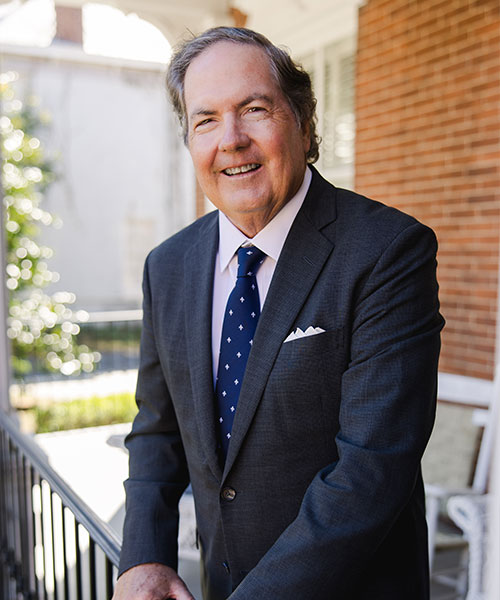
Leland Malchow

Chris Johnson
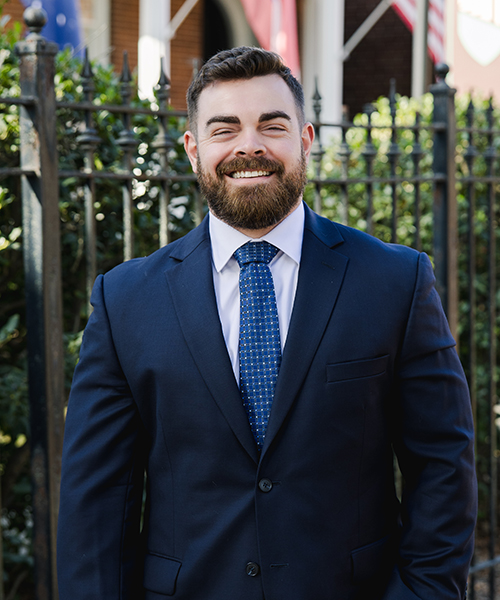
Dane Anderson

Bailey Marshall
How Settlement Approval Works in South Carolina
Settlements in wrongful death and survival actions require court approval. Depending on the posture of the case, the probate court, circuit court, federal court, or (after an appeal is filed) the appellate court may be involved. Only a duly appointed personal representative has authority to settle. Court oversight ensures the settlement is fair to the statutory beneficiaries and, for survival actions, the estate.
Wrongful Death vs. Survival Action
Families often hear both terms. They are related but distinct. A wrongful death claim seeks losses suffered by family beneficiaries because of the death. A survival action seeks damages the deceased person could have claimed for injuries between the time of injury and death (such as pain, medical bills, and lost wages), which belong to the estate. Many cases include both claims, and courts approve distribution based on the governing statutes.
Who Gets the Money and How It Is Divided
When there is a recovery in a wrongful death claim, the funds are not general estate assets. They pass directly to the statutory beneficiaries and are divided in the same proportions those beneficiaries would receive under South Carolina’s intestacy law if the person had died without a will. This distribution structure also affects creditor claims. Court approval documents will spell out the allocation.
Timing Considerations
The statute of limitations is not in § 15-51-10 itself, but timing still matters. Families should speak with counsel promptly so the estate can be opened, a personal representative appointed, evidence preserved, and the claim filed within the applicable deadlines.





How Our Firm Helps Families in Augusta and Nearby South Carolina Communities
Malchow Johnson Injury Lawyers guides you through both the civil claim and the probate steps. We coordinate with the personal representative, gather the proof needed to satisfy South Carolina’s wrongful death statute, and handle insurance negotiations and litigation. Our team serves families across the CSRA and surrounding South Carolina counties.
Helpful Resources on Our Site
If you are wondering who can bring the case, who shares in the recovery, or how value is assessed in a wrongful death matter, these guides provide deeper context:
• Choosing a wrongful death attorney in Augusta
• Who can file a wrongful death claim
• Wrongful death compensation and damages
• Wrongful death settlement value
If you lost a loved one due to negligence in South Carolina and want to understand your options under § 15-51-10, reach out to Malchow Johnson Injury Lawyers for a free consultation. We will listen, explain your options, and outline a clear plan.
Related Videos
Choosing a Personal Injury Attorney
How Much Is My Personal Injury Claim Worth?

 |

 |