
Teen driver accidents often increase during summer break because young drivers spend more time on the road, drive later in the day, travel with friends, and face more distractions when school routines pause. In Augusta, summer traffic can include local teens, families heading to events, visitors crossing between Georgia and South Carolina, and drivers using busy routes near downtown, shopping centers, neighborhoods, and highways. Malchow Johnson Injury Lawyers helps injured people understand what may have caused a crash, what evidence matters, and how Georgia or South Carolina law may apply.
This article explains why teen driver crashes can become more common during summer, what parents and injured drivers should watch for, and what steps may help protect a car accident claim.







Why Summer Break Changes the Risk for Teen Drivers 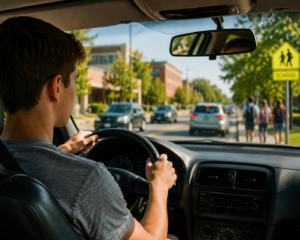
Summer break gives teenagers more freedom. That freedom can be positive, but it can also change driving patterns quickly. A teen who drove mostly to school, practice, or work during the spring may begin driving to the lake, a friend’s house, a summer job, a restaurant, or an event after dark.
The risk does not come from age alone. Many teens are responsible and careful. The concern is that newer drivers are still building judgment, hazard recognition, and confidence. When summer adds longer trips, more passengers, unfamiliar roads, and late-night driving, a small mistake can become serious.
In the Augusta area, summer driving may involve:
- Heavier traffic near shopping centers, restaurants, and recreation areas
- More trips between Augusta, North Augusta, Aiken, and nearby South Carolina communities
- Longer drives on highways and rural roads
- Sudden congestion near events, parks, pools, and local attractions
- Afternoon storms that can reduce visibility and make roads slick
When a teen driver does not yet have enough experience with these conditions, reaction time and decision-making can suffer.
Attorney - Partner Attorney - Partner Associate Attorney Associate Attorney
Leland Malchow

Chris Johnson

Dane Anderson

Bailey Marshall
More Free Time Means More Miles
The most basic reason teen crashes rise during summer is simple: many teens drive more. School schedules limit when and where teens drive. Once summer begins, those limits often loosen.
A teen might drive to a summer job in the morning, meet friends in the afternoon, then drive again at night. Even when each trip feels routine, more miles create more chances for a crash.
This matters in personal injury cases because crash risk often builds from ordinary choices, not one dramatic decision. A teen may be tired after work, distracted by friends, unfamiliar with a road, or tempted to hurry home before a curfew. Those facts can help explain how the collision happened.
Passengers Can Distract Inexperienced Drivers
Teen passengers can make driving more difficult. Friends may talk, laugh, play music, record videos, point things out, or encourage the driver to take risks. Even when no one means harm, the driver’s focus can shift away from the road.
Georgia’s graduated licensing rules recognize this risk by limiting certain young drivers during the early licensing period. South Carolina also uses a graduated licensing system for drivers ages 15 to 17, with restrictions that ease as drivers gain experience.
Passenger behavior may become relevant after a crash. Questions may include:
- How many passengers were in the vehicle?
- Were they distracting the driver?
- Was the teen driver allowed to carry those passengers under the applicable license rules?
- Did anyone in the car record video, send messages, or post on social media near the time of the crash?
- Did a passenger encourage speeding, racing, or unsafe driving?
These details may help an attorney understand negligence, fault, and available insurance coverage.
They made everything easy for me! Even when I lost faith in the car accident where a drunk driver hit me, they helped me through every process. They were quick as they could be and made everything easier for me while being in the process of my move to Japan for the Navy, full time student, and planning my own wedding. I appreciated the help. Thank you!” - Julissa Evans I had the pleasure of allowing Mr. Leland Malchow to represent my case and I would recommend 10star rating if possible. Not only was Mr. Leland very professional and knowledgeable, he also took the time to listen to my frustrations about my situation. He offered a listening ear, as well as some kind motivational advice. Our relationship has been through business only but I would extend a hand to him and the law firm from here on out. Thank you all and God Bless." - Chris Rowland Chris Johnson is an exceptional attorney for car wreck cases. His expertise, clear communication, thorough preparation, and effective negotiation skills led to a favorable outcome. With compassion and support, he guided me through the process, making him highly recommended for anyone in need of a skilled legal advocate." - Jayko Robinett
Distracted Driving Is a Major Summer Concern
Phones are a constant issue for drivers of all ages, but teens may face added pressure to respond quickly to friends, parents, work messages, or social media. During summer break, the phone may be used for directions, music, group chats, photos, or coordinating plans.
Georgia’s hands-free law limits how drivers may use phones while driving. A driver should not be reading or sending messages, scrolling, holding a phone, or watching videos on the road. Even legal hands-free use can still distract a new driver if it pulls attention away from traffic.
After a crash, distracted driving may be difficult to prove without the right evidence. Helpful information may include witness statements, phone records when legally available, vehicle data, dash camera footage, nearby surveillance video, and the timing of messages or calls.
For related guidance after a collision, the firm’s resource on https://nmjfirm.com/car-accident/giving-a-recorded-statement-after-a-car-accident/ explains why drivers should be careful before giving an insurance statement.
Late Nights and Fatigue Can Affect Teen Judgment
Summer often changes sleep schedules. Teens may stay out later, wake up early for work, or drive after long days in the heat. Fatigue can slow reaction time, affect focus, and make it harder to judge speed and distance.
Night driving also creates challenges for newer drivers. Headlights, glare, dark roadways, pedestrians, cyclists, and impaired drivers can all increase risk. A teen who is comfortable driving during the day may struggle when visibility drops.
Georgia and South Carolina both use licensing systems that restrict some teen driving privileges at night. If a crash happened after dark, the driver’s license status and time of collision may matter.
Choosing a Personal Injury Attorney How Much Is My Personal Injury Claim Worth?Related Videos
Speeding and Overconfidence During Summer
Teen drivers may become more confident after a few months behind the wheel. Confidence can help, but overconfidence can lead to speeding, hard braking, tailgating, quick lane changes, or unsafe turns.
Summer can increase that temptation. Roads may feel open. Friends may be in the car. A teen may be trying to get to work or return home on time. In and around Augusta, traffic can shift quickly from slower neighborhood streets to faster roads, and a newer driver may not adjust well.
Speed can affect both fault and injury severity. Even a moderate speed increase can reduce the time a driver has to stop. It can also make injuries worse for passengers, pedestrians, cyclists, and people in other vehicles.
If a crash involves serious injury, the accident investigation may include skid marks, vehicle damage, witness accounts, electronic data, and police findings. People injured in these collisions can learn more from the firm’s Augusta-focused car accident resource at https://nmjfirm.com/car-accident/choosing-a-car-accident-attorney-in-augusta/.
Summer Jobs and Unfamiliar Routes
Many teens start summer jobs in restaurants, retail stores, camps, landscaping, delivery support roles, or seasonal positions. This can mean driving at times and in places they do not know well.
A teen may be learning a new commute, entering busy parking lots, driving during rush hour, or trying to follow GPS instructions while navigating traffic. In Augusta, that may include downtown streets, Washington Road traffic, River Watch Parkway, Gordon Highway, neighborhood roads, or routes toward South Carolina.
Unfamiliar routes can increase:
- Sudden lane changes
- Missed turns
- Rear-end collisions
- Failure-to-yield crashes
- Parking lot impacts
- Sideswipe accidents
For injured drivers and passengers, it is helpful to document where the crash happened, whether the teen was working at the time, and whether any employer-related issue could affect insurance coverage.
Cross-Border Travel Between Georgia and South Carolina
Augusta sits near the South Carolina line, so summer plans often cross state borders. A crash may involve a Georgia teen driver, a South Carolina resident, an out-of-state visitor, or a collision that happens on one side of the Savannah River while medical treatment happens on the other.
That can create questions about which state’s law applies, where a claim should be filed, and which insurance policies may provide coverage. Georgia and South Carolina have different legal rules, deadlines, and fault systems. An attorney can review the crash location, insurance policies, medical care, and parties involved.
For broader claim issues, the firm’s page on https://nmjfirm.com/car-accident/steps-to-take-after-a-car-accident-in-augusta/ offers practical steps for protecting yourself after an Augusta wreck.
What Injured People Should Do After a Teen Driver Crash
The steps after a crash can affect health, safety, and the strength of a claim. After any collision, medical needs come first. Call 911 if anyone is hurt, if vehicles block traffic, or if the crash scene is unsafe.
After urgent needs are handled, try to:
- Get the teen driver’s name, license information, and insurance details
- Identify the vehicle owner if someone other than the teen owns the car
- Take photos of vehicle damage, the roadway, traffic signals, skid marks, and injuries
- Get names and contact information for witnesses
- Save dash camera footage if available
- Avoid arguing about fault at the scene
- Get medical care promptly, even if symptoms seem minor at first
- Keep bills, records, receipts, and proof of missed work
Parents of injured teens should also watch for delayed symptoms. Headaches, dizziness, neck pain, back pain, mood changes, and sleep problems can appear after the initial shock fades.
Common Injuries in Summer Teen Driver Accidents
Teen driver crashes can involve the same injuries seen in other collisions, but passengers are often young people who may not understand the long-term impact right away.
Common injuries may include:
- Whiplash and soft tissue injuries
- Concussions and traumatic brain injuries
- Broken bones
- Shoulder, knee, and wrist injuries
- Back and spinal injuries
- Cuts, bruising, and scarring
- Emotional distress after a serious crash
Medical documentation is key. Insurance companies often look closely at whether treatment began soon after the collision and whether the records connect the injuries to the crash. The firm’s resource on https://nmjfirm.com/car-accident/car-accident-medical-bills/ explains why bills and records matter after a car accident.
How Fault May Be Evaluated
When a teen driver causes or contributes to a crash, fault is usually based on conduct, not age. Investigators and insurers may look at whether the driver was speeding, distracted, impaired, following too closely, failing to yield, violating a license restriction, or driving too fast for conditions.
Other parties may also be involved. A vehicle owner may have allowed the teen to drive. Another driver may have contributed to the collision. A defective vehicle part, dangerous road condition, or poor visibility may also be part of the analysis.
Because fault can be disputed, injured people should avoid guessing, apologizing, or giving detailed statements without understanding their rights. The firm’s article on https://nmjfirm.com/car-accident/common-mistakes-after-a-car-accident/ covers common errors that can make a claim harder.
How an Attorney Can Help After a Summer Teen Driver Crash
A car accident claim can become stressful quickly, especially when the other driver is a teen, the vehicle belongs to a parent, or the crash involves multiple young passengers. An attorney can help identify the facts that matter and keep the claim focused.
Legal help may include:
- Reviewing police reports and crash evidence
- Identifying the driver, vehicle owner, and insurance coverage
- Looking for evidence of speeding, distraction, or license restriction issues
- Communicating with insurance companies
- Collecting medical records and bills
- Calculating wage loss and other damages
- Negotiating a settlement
- Filing a lawsuit when needed
Malchow Johnson Injury Lawyers represents injured people in Augusta, Georgia, South Carolina, and nearby communities. If you were hurt in a summer crash involving a teen driver, the firm can help you understand your options and the next steps.
Speak With an Augusta Car Accident Lawyer
A teen driver accident during summer break can leave families with medical bills, vehicle damage, insurance questions, and uncertainty about what happened. You do not have to sort through those issues alone.
Malchow Johnson Injury Lawyers offers a free consultation for injured people and families. Contact the firm to discuss your crash, your injuries, and what may be available under Georgia or South Carolina law.
This article is for informational purposes only and is not legal advice. Consult an attorney about your specific situation.