
Summary: What South Carolina Law Says in Plain English
If you were hurt during a fight or by security in a South Carolina bar, you may have a claim against the bar, the aggressor, or both. South Carolina allows negligence claims for injuries caused by third-party assaults when the risk of violence was foreseeable and the bar failed to take reasonable steps to keep patrons safe. Serving alcohol to someone who is already intoxicated can also play a role in liability. Bars open past 5 p.m. must carry at least 1 million dollars in liquor liability insurance that can help satisfy a judgment or settlement. You usually have three years to file a personal injury lawsuit in South Carolina.
How Bar Responsibility Works in South Carolina
South Carolina does not have a single “dram shop statute,” yet courts recognize claims based on ordinary negligence and violations of alcohol service laws. In Hartfield v. Getaway Lounge & Grill, the South Carolina Supreme Court allowed bar-injury claims to proceed based on negligence principles, including allegations of serving alcohol to an intoxicated patron.

They made everything easy for me! Even when I lost faith in the car accident where a drunk driver hit me, they helped me through every process. They were quick as they could be and made everything easier for me while being in the process of my move to Japan for the Navy, full time student, and planning my own wedding. I appreciated the help. Thank you!”
- Julissa Evans
I had the pleasure of allowing Mr. Leland Malchow to represent my case and I would recommend 10star rating if possible. Not only was Mr. Leland very professional and knowledgeable, he also took the time to listen to my frustrations about my situation. He offered a listening ear, as well as some kind motivational advice. Our relationship has been through business only but I would extend a hand to him and the law firm from here on out. Thank you all and God Bless."
- Chris Rowland
Chris Johnson is an exceptional attorney for car wreck cases. His expertise, clear communication, thorough preparation, and effective negotiation skills led to a favorable outcome. With compassion and support, he guided me through the process, making him highly recommended for anyone in need of a skilled legal advocate."
- Jayko Robinett
Two Legal Frameworks Typically Apply:
Premises Liability and Negligent Security
Bars owe invitees a duty to take reasonable action to protect them from unreasonable risks. Whether a violent act was foreseeable depends on the totality of the circumstances, such as prior incidents, crowd size, location, and warning signs on the night in question. The South Carolina Supreme Court in Bass v. Gopal discussed foreseeability and when summary judgment is improper, emphasizing that courts should consider all of the evidence, not just past police reports.
What “Reasonable” Security Can Include:
• Adequate staffing for expected crowds
• Monitoring high-risk areas like entrances, dance floors, and parking lots
• Prompt response or de-escalation when tensions rise
• Policies and training for bouncers on safe, minimal force
Alcohol Service Negligence
South Carolina law makes it unlawful to sell beer or wine to an intoxicated person (Section 61-4-580). A similar standard now applies to liquor: Section 61-6-2220 prohibits knowingly selling liquor to intoxicated individuals. Evidence that staff ignored obvious intoxication can support negligence claims.
Insurance That May Cover Your Losses
Bars open after 5 p.m. must carry at least 1 million dollars in liquor liability coverage or a general liability policy with a liquor endorsement. This requirement improves the chance that serious injury or wrongful death claims can be paid.
Attorney - Partner Attorney - Partner Associate Attorney Associate Attorney
Leland Malchow

Chris Johnson
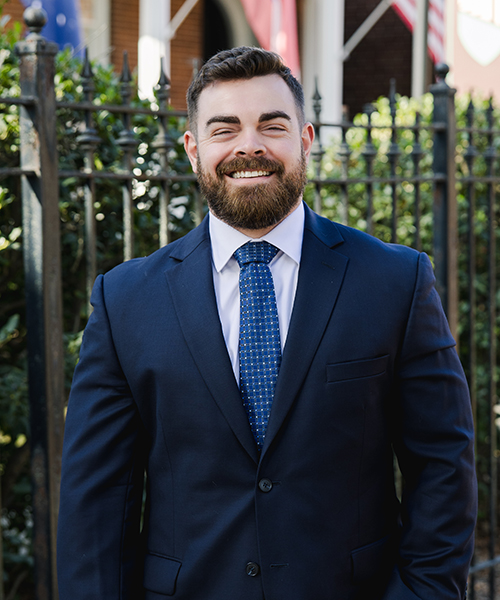
Dane Anderson

Bailey Marshall
Common Bar-Violence Scenarios and How Courts Look at Them
Bouncer or Security Force
Security can remove a patron who poses a risk, yet using more force than reasonably necessary can lead to claims for assault, battery, and negligence. Whether training existed, how many staff were involved, and the duration and type of restraint all matter.
Fights Between Patrons
Liability often turns on foreseeability. If the bar had a pattern of similar incidents, overcrowding, or ignored warning signs that a fight was brewing, a jury may find the bar failed to act reasonably.
Overservice and Drunk-Driving Injuries After Last Call
When a bar serves a noticeably intoxicated customer who later injures someone, plaintiffs can argue negligent service contributed to the harm. Evidence might include receipts, surveillance, patron behavior, and staff testimony.
Key Proof That Strengthens a South Carolina Bar-Injury Case
• Surveillance video inside and outside the bar
• Incident reports and staffing rosters for the night
• Prior police calls or documented incidents at the location
• Witness names and phone numbers
• Credit-card tabs and time-stamped receipts
• Training manuals and security policies
• Photos of lighting, exits, and crowding conditions





What to Do Right After a Bar Injury in South Carolina
-
Get Medical Care Now
Tell providers how you were injured so your records are accurate from day one. -
Report the Incident
Ask management to document it and request that video be preserved. If police respond, request the case number. -
Save Evidence
Keep torn clothing and photograph injuries, the scene, and any visible security badges or name tags. -
Do Not Give a Recorded Statement to an Insurer Before You Get Legal Advice
Insurance representatives may contact you quickly. Decline recorded statements until you understand your rights. For tips about recorded statements, see our guidance on what insurers ask and why that matters. -
Talk With a Lawyer Familiar With South Carolina Bar-Injury Law
A lawyer can notify the bar to preserve evidence, analyze security policies, and identify all potential insurance coverage.
How Long You Have to File in South Carolina
The general limitations period for personal injury claims in South Carolina is three years from the injury date. Wrongful death claims also typically follow a three-year period. Filing deadlines can be shorter for claims against government entities or when special notice rules apply, so early legal review is important.
Damages You Can Pursue
• Medical bills and future care
• Lost wages and loss of earning capacity
• Pain, suffering, and loss of enjoyment of life
• Scarring and disfigurement
• In tragic cases, wrongful death damages for eligible family members. Learn more about who can bring a wrongful death claim and how these claims work
Related Videos
Choosing a Personal Injury Attorney
How Much Is My Personal Injury Claim Worth?
How Fault Is Shared in South Carolina
South Carolina follows a modified comparative negligence rule. If you are 50 percent or less at fault, your recovery is reduced by your share of fault; at 51 percent or more, recovery is barred. Juries evaluate conduct by everyone involved, including the bar, its staff, and other patrons. This makes early investigation and neutral witnesses especially valuable.
How Claims Are Proven and Resolved
Most cases turn on credibility and documentation. Medical records tie injuries to the event. Security policies and prior-incident logs speak to foreseeability. Video fills gaps. Many claims resolve in negotiation or mediation. If a lawsuit is filed, you might give testimony under oath. For a clear walkthrough of what a deposition is and how to prepare, read our overview.
Frequently Asked Questions
Is the bar always responsible for what other customers do?
No. Bars are not insurers of safety. They are responsible when they fail to take reasonable steps that a prudent operator would take under similar conditions, or when they overserve in violation of law.
What if security roughed me up while escorting me out?
Security can use reasonable force to remove someone who presents a risk. Excessive or retaliatory force can lead to liability for the bar through its employees.
Do bars have to carry special insurance in South Carolina?
Yes. Bars open after 5 p.m. must carry at least 1 million dollars in liquor liability or general liability with a liquor endorsement.
Can I bring a claim if alcohol sales broke the law?
Serving an intoxicated patron can support negligence claims. Courts look at whether staff “knowingly” served a visibly intoxicated person and whether that service contributed to the harm.
A Quick Word on Evidence Preservation
Time is not your friend. Ask a lawyer to send a preservation letter right away, because security video can be overwritten in days. Witness memories fade quickly.
If you or a loved one was injured in a South Carolina bar, Malchow Johnson Injury Lawyers is ready to help you understand your options and protect your rights. We offer free consultations.
Client Testimonials
Construction Accident Client Testimonial
Workers' Comp Client Testimonial