
Logging trucks are a frequent presence on South Carolina highways, and the risks they pose are serious and often underestimated. Malchow Johnson Injury Lawyers has represented numerous victims of trucking accidents in the region, witnessing firsthand the unique dangers these vehicles present. From their size and cargo to road conditions and weather, logging trucks create hazards that require drivers to remain vigilant. Understanding these risks, how collisions occur, and the legal protections available can help drivers navigate the state’s roads more safely and secure compensation if injured.







Understanding the Size and Weight of Logging Trucks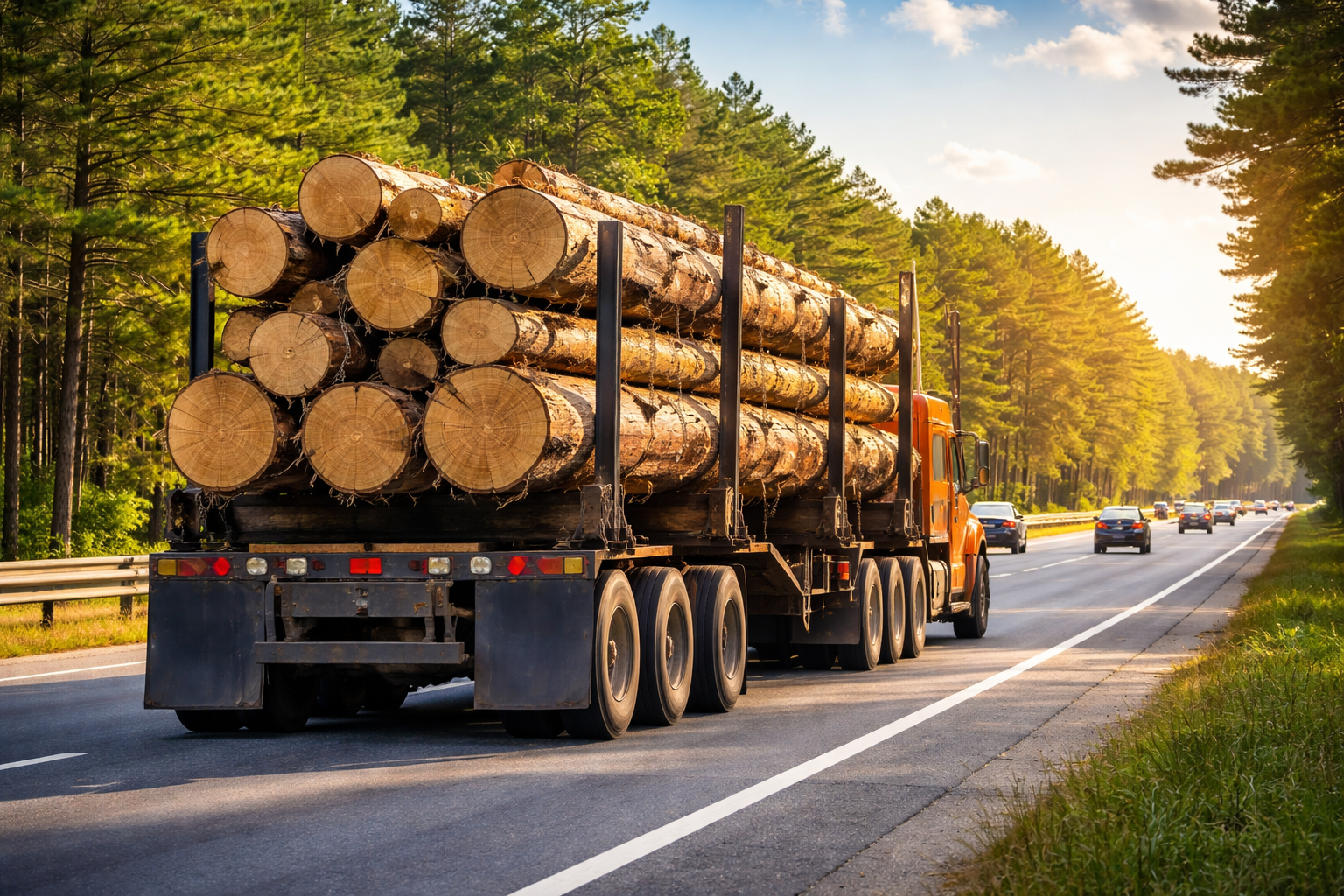
Logging trucks differ significantly from standard commercial vehicles due to their immense size and weight. Fully loaded trucks can weigh tens of thousands of pounds, which drastically increases stopping distances and reduces maneuverability. On highways like I-26, I-85, and rural state routes, this means that logging trucks cannot brake as quickly as smaller vehicles. Even minor miscalculations in speed or spacing can lead to severe collisions, particularly in high-traffic areas or during sudden slowdowns. For passenger vehicles, this creates a dangerous dynamic, where even a small error can result in catastrophic consequences. Drivers must account for the truck’s mass and adjust following distances accordingly to reduce the likelihood of rear-end collisions or being struck by debris from unstable loads.
Cargo Instability and Its Risks
The logs carried by these trucks are often stacked several feet high and secured with heavy chains or straps. Despite these measures, loads can shift, especially on winding roads or during sudden maneuvers. When cargo moves unexpectedly, it can destabilize the vehicle, causing it to tip, jackknife, or spill logs onto the roadway. South Carolina’s mountainous and rural highways exacerbate these risks, with sharp curves and elevation changes increasing the likelihood of accidents. Motorists should be aware that a truck appearing stable in one moment can suddenly become a hazard if its cargo shifts, making early awareness and defensive driving essential.

Leland Malchow
Attorney - Partner

Chris Johnson
Attorney - Partner

Dane Anderson
Associate Attorney

Bailey Marshall
Associate Attorney
Rollover Accidents and High Center of Gravity
Logging trucks have a higher center of gravity than typical commercial trucks due to the elevated and uneven load of logs. This design makes them more prone to rollovers, particularly on curves, sloped roads, or uneven surfaces common throughout South Carolina. Weather conditions such as rain or ice further reduce tire traction and can contribute to tipping. When rollovers occur, the force of the vehicle can spread over multiple lanes, creating a wide danger zone for surrounding vehicles. Collisions involving rollovers are often severe, causing catastrophic damage and significant injuries to both drivers and passengers.
Limited Visibility and Blind Spots
Drivers of logging trucks contend with large blind spots that limit their ability to see smaller vehicles around them. Passenger cars, motorcycles, and even other trucks can disappear from the driver’s view, increasing the risk of side-impact collisions and accidents at intersections or when changing lanes. Malchow Johnson Injury Lawyers emphasizes the importance of understanding truck blind spots for safe driving practices. Vehicles traveling near a logging truck should avoid lingering in these zones and exercise caution when passing or merging. Misjudgments in distance or speed can lead to devastating collisions due to the truck’s limited ability to react quickly.

They made everything easy for me! Even when I lost faith in the car accident where a drunk driver hit me, they helped me through every process. They were quick as they could be and made everything easier for me while being in the process of my move to Japan for the Navy, full time student, and planning my own wedding. I appreciated the help. Thank you!”
- Julissa Evans
I had the pleasure of allowing Mr. Leland Malchow to represent my case and I would recommend 10star rating if possible. Not only was Mr. Leland very professional and knowledgeable, he also took the time to listen to my frustrations about my situation. He offered a listening ear, as well as some kind motivational advice. Our relationship has been through business only but I would extend a hand to him and the law firm from here on out. Thank you all and God Bless."
- Chris Rowland
Chris Johnson is an exceptional attorney for car wreck cases. His expertise, clear communication, thorough preparation, and effective negotiation skills led to a favorable outcome. With compassion and support, he guided me through the process, making him highly recommended for anyone in need of a skilled legal advocate."
- Jayko Robinett
Common Collision Scenarios
Several types of accidents are more common with logging trucks than with other vehicles. Rear-end accidents occur when smaller vehicles fail to account for the truck’s extended stopping distance. Rollovers frequently happen when drivers navigate curves too quickly or encounter sudden swerving to avoid obstacles. Falling cargo accidents involve logs becoming dislodged and striking nearby vehicles, often leading to fatalities. Intersections are particularly dangerous, as logging trucks require more room to turn or accelerate, creating a higher probability of collisions with other vehicles. Each scenario emphasizes the need for heightened awareness and defensive driving whenever these trucks are present.
Seasonal and Weather Considerations
South Carolina experiences weather patterns that amplify the risks associated with logging trucks. Rain can make highways slick, reducing traction and lengthening stopping distances. Fog diminishes visibility, making it harder for drivers to anticipate sudden stops or lane changes by trucks. In winter months, icy patches on shaded rural roads present additional hazards, particularly on mountainous routes in the upstate region. Summer brings increased traffic and road construction, which can create unexpected obstacles and narrow lanes. Drivers must remain vigilant throughout the year, adjusting speed, maintaining safe distances, and remaining alert to road conditions when sharing the highway with large logging trucks.
Related Videos
Choosing a Personal Injury Attorney
How Much Is My Personal Injury Claim Worth?
Defensive Driving Strategies
Drivers can take several steps to reduce their risk when traveling near logging trucks. Maintaining a safe following distance is essential, as it allows more time to react to sudden stops or cargo shifts. Avoiding blind spots and refraining from cutting in front of a truck abruptly can prevent side-impact collisions. Drivers should also be particularly cautious on curves, hills, and bridges, where trucks are more likely to lose stability or tip. Reporting unsecured or dangerously loaded trucks to local authorities can prevent accidents before they happen. Defensive driving is not only a precaution but a responsibility, as the consequences of a collision can be severe.
Legal Considerations Following a Logging Truck Collision
Accidents involving logging trucks often involve complex liability issues. The vehicles may be owned by large companies, and multiple parties—including the trucking company, drivers, and subcontractors responsible for loading—may share responsibility. Victims may pursue compensation for medical expenses, lost wages, pain and suffering, and property damage. Malchow Johnson Injury Lawyers helps victims navigate these cases, ensuring evidence is preserved, liability is properly assigned, and fair compensation is pursued. Legal representation is critical because insurance companies and trucking companies often have teams of attorneys working to limit payouts.
Steps to Take After Being Involved in a Logging Truck Accident
- Seek medical attention immediately, even if injuries seem minor.
- Document the scene, including photographs of vehicles, cargo, and road conditions.
- Collect contact information from witnesses and involved parties.
- Report the accident to local law enforcement to create an official record.
- Consult with a qualified truck accident attorney to protect your rights and guide you through the claims process.
Internal Resources for Reference
For additional guidance and information, drivers and victims can access helpful resources provided by Malchow Johnson Injury Lawyers:
- Steps to Take After a Truck Accident
- Common Mistakes After a Truck Accident
- How Georgia Truck Accident Compensation Works
- Choosing a Truck Accident Attorney in Augusta
Logging trucks present unique hazards on South Carolina highways due to their weight, size, cargo, and operational challenges. Drivers must remain aware of these risks, adjust their driving behavior accordingly, and take proactive measures to stay safe. When accidents occur, legal guidance from experienced attorneys like those at Malchow Johnson Injury Lawyers is essential for ensuring that victims receive the compensation and protection they deserve. Being informed and cautious can reduce the likelihood of accidents and prepare drivers for handling any unforeseen events involving logging trucks.
Disclaimer: This content is for informational purposes only and is not legal advice. Consult an attorney about your specific situation.


 |

 |