Communities along the South Carolina coast are dealing with king tides this week, which can push water onto roads, flood beach access points, and create rip currents. If you live in the Augusta area and plan to visit Hilton Head, Beaufort County, or Charleston, expect unusually high water and possible closures during evening high tides. Beach safety flags may be red and some secondary roads can take on water. Plan extra time, choose safer routes, and avoid flooded lanes. If an injury occurs in a tide-related crash or on a poorly maintained property, Malchow Johnson Injury Lawyers can explain your options and help you protect your rights.
What Is a “King Tide” and Why Does It Matter?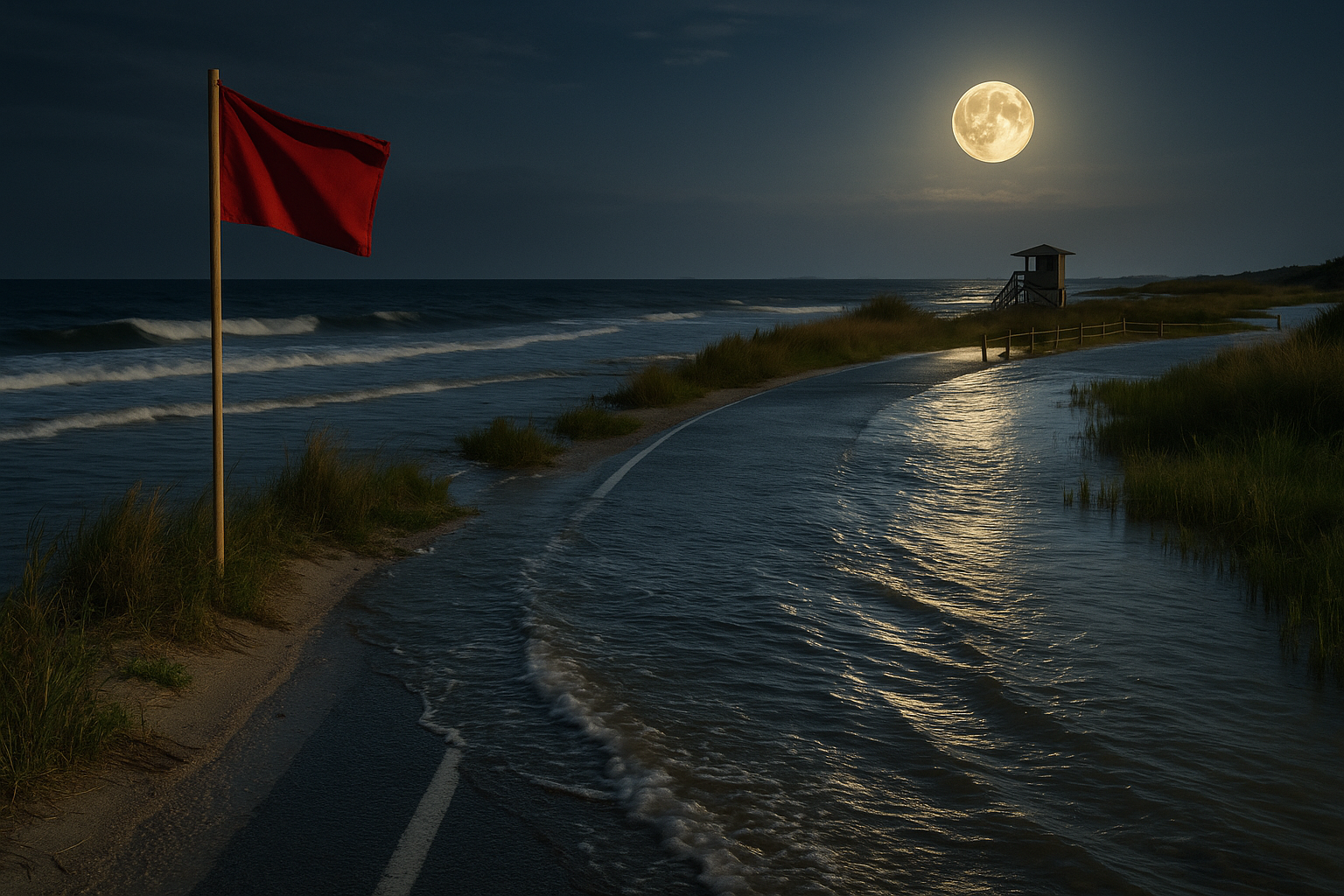
A king tide is the common term for the highest astronomical tides of the year, which happen when the moon is closest to Earth and its gravitational pull is strongest. On the South Carolina coast, king tides can push water higher than normal onto marshes, cause street flooding in low spots, and make surf conditions rougher than many visitors expect.
Where Augusta Visitors Are Most Likely to See Impacts
If you head to Hilton Head or Beaufort County, you may see water creep across low roadway sections and beach boardwalks when evening high tide peaks. Some island side streets can pond quickly. In Charleston and parts of coastal Colleton County, high water can cover parking areas, curb lanes, and intersections that sit just a few feet above sea level. Even when flooding is “minor,” it can still close lanes, hide potholes, and cause fender-benders that stack up fast.
Road Segments That Often Get Wet at King Tide
Local officials frequently note a handful of recurring trouble spots on Hilton Head, including stretches near beach accesses and low areas that sit next to tidal creeks. Plan for detours and drive slowly through any pooled water. If you cannot see the pavement, turn around and choose a higher route. Salt water can stall a vehicle and mask hazards under the surface.
Beach Safety During King Tides
Red flags can fly on Hilton Head and other beaches when surf is rough. That means stronger currents and faster changes in water depth. If you are not a confident swimmer, stay on the sand or in very shallow water near a guarded area. Keep children within arm’s reach, do not turn your back on the ocean, and never swim near inlet outflows that behave like fast rivers during peak tides.
How King Tides Raise Injury Risks
Tide-Driven Flooding Does Not Just Dampen Vacation Plans. It Can Raise the Chance Of:
• Car crashes in standing salt water that hides potholes, debris, or open manholes
• Rear-end collisions near flooded intersections where drivers brake suddenly
• Pedestrian slip hazards on wet, algae-slick boardwalks and steps
• Fall injuries in parking lots where water covers broken pavement or sudden drop-offs
• Boating incidents near inlets with swift currents and shifting sandbars
If a driver speeds through water and splashes your stalled vehicle, if a business fails to address obvious slip hazards, or if a property owner ignores lighting or drainage issues that make a walkway unsafe, you may have legal options. Malchow Johnson Injury Lawyers offers free consultations to discuss what happened and the next steps.
Smart Trip Planning From Augusta to the Lowcountry
Before you go, check evening high-tide times for your beach. Time your island arrival outside peak high tide if you can. In daylight, scout your parking spot and exit route so you do not need to cross a flooded low point after dark. Bring sandals with grip for wet boardwalks, a flashlight for unlit paths, and a towel or dry mat for vehicle floors.
Driving Tips When Water Is on the Road
• Never drive into water that you cannot gauge for depth. Six inches can reach low bumpers, and more can flood your air intake.
• Slow to avoid hydroplaning and keep extra distance. Braking distances increase on slick surfaces.
• Do not pass in a flooded lane. The crown of the road is usually the highest point.
• After clearing shallow water, test brakes gently to dry them.
• If your engine stalls, do not crank it repeatedly in salt water. Exit the vehicle if it is safe, get to higher ground, and call for assistance.
Attorney - Partner Attorney - Partner Associate Attorney Associate Attorney
Leland Malchow

Chris Johnson
Dane Anderson

Bailey Marshall
Property and Premises Safety
Resorts, restaurants, and shops near marsh edges may see high water on steps, ramps, and walkways. Businesses should cone off slick areas, add mats and lighting, and keep clear, dry paths open. If you slip on an algae film or trip where a curb disappears under water, document conditions with photos, note witnesses, and seek medical care. Premises cases turn on notice and reasonableness, so evidence from the scene can be important.
Boating and Inlet Precautions
King tides can create fast currents at Port Royal Sound, Skull Creek, Calibogue Sound, and Savannah River channels. Even experienced boaters should watch for unusual chop and cross-currents at sandbar edges. Wear life jackets, keep speed conservative, and avoid sandbar gatherings when water rises quickly. If you are injured in a float-plane, boat, or PWC incident caused by careless operation or alcohol, talk with counsel about your options.
What to Do After a Tide-Related Crash or Fall
-
Get safe and call 911. Report any roadway flooding or blocked lanes so responders can close the hazard.
-
Seek medical care the same day, even for soreness. Salt-water exposure and slip-and-fall forces can cause delayed symptoms.
-
Collect evidence. Photos of the water depth, missing cones, worn treads, slick growth, or low-lying road sag can help explain what happened.
-
Notify your insurer, but be careful with recorded statements before you know the full picture.
-
Speak with an attorney experienced in motor vehicle and premises claims.
Helpful Resources on Our Site for Next Steps
If you were involved in a king-tide-related collision, our Augusta car crash guides explain what to do next and how repairs and bills are handled. You can start with advice on steps to take and fixing your vehicle after a crash. For incidents on or near the water, our boating resources cover safety and reporting.
• See practical steps after a car crash
• Learn about getting your vehicle fixed
• Read about boating safety and reports
When to Call a Lawyer
If an insurer blames you for driving through water you could not see, if a hotel or store leaves a hazardous path open, or if another boater’s choices cause a collision, legal guidance can help you understand liability and damages. Malchow Johnson Injury Lawyers serves clients across Augusta and nearby areas and can evaluate whether a driver, property owner, or other party failed to act with reasonable care. Free consultations are available. Questions about an injury after a king tide crash or fall during a Lowcountry visit? Contact Malchow Johnson Injury Lawyers for a free consultation. We help clients from Augusta, GA and nearby communities plan the next right step with clarity.