Workplace incidents remain one of the leading causes of serious injuries across Georgia and South Carolina, affecting construction workers, healthcare staff, warehouse employees, and office professionals alike. State laws provide injured workers with specific rights to medical care, wage replacement, and long-term benefits when an on-the-job incident occurs. This article explains what qualifies as a workplace incident, how claims work under Georgia and South Carolina law, and what steps injured employees should take to protect their recovery. Understanding these rules early can make the difference between a smooth claim and costly delays or denials.
What Is Considered a Workplace Incident?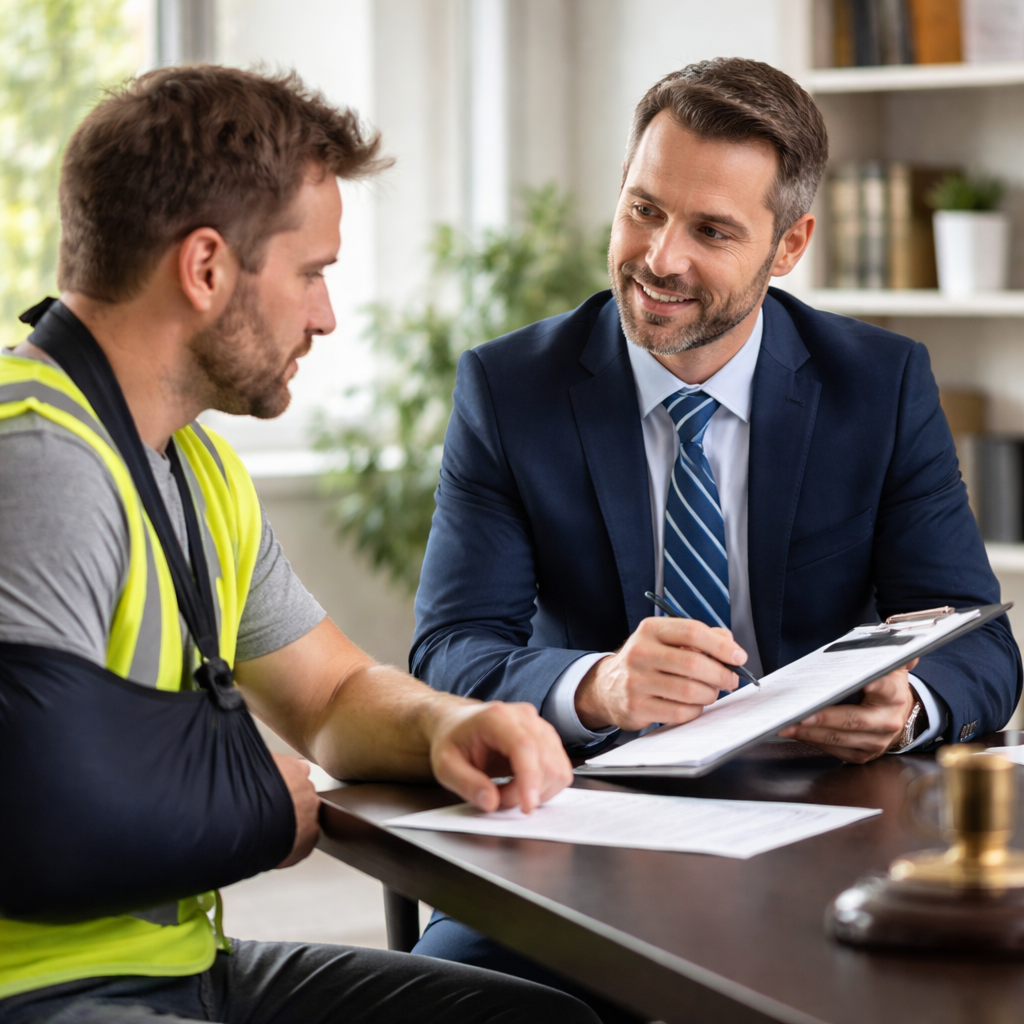
A workplace incident is any unexpected event that occurs during the course of employment and results in injury or illness. These incidents can happen in seconds yet lead to months or years of recovery. In Georgia and South Carolina, the key factor is whether the injury arose out of and occurred in the scope of employment.
Common examples include:
-
Slips and falls on wet floors or uneven surfaces
-
Machinery accidents involving presses, forklifts, or conveyor systems
-
Falls from ladders, scaffolding, or elevated platforms
-
Repetitive stress injuries from ongoing physical tasks
-
Exposure to harmful chemicals or toxic substances
-
Being struck by falling objects or moving equipment
-
Workplace vehicle crashes on job sites or during deliveries
Even incidents that seem minor at first can develop into serious conditions, especially when back, neck, or joint injuries are involved.
High-Risk Jobs for Workplace Incidents in Georgia and South Carolina
Certain industries see higher rates of on-the-job injuries due to physical demands and hazardous environments. In Georgia and South Carolina, frequent workplace incidents occur in:
-
Manufacturing and industrial plants
-
Warehousing and logistics centers
-
Healthcare facilities and nursing homes
-
Agriculture and landscaping
-
Transportation and delivery services
Employees in these fields often face heavy equipment, long shifts, and fast-paced conditions that increase injury risk.
What to Do After a Workplace Incident
Taking the right steps immediately after a workplace incident helps protect both health and legal rights.
Seek medical treatment right away.
Prompt medical care creates a record linking the injury to the workplace incident.
Report the incident to a supervisor.
Georgia and South Carolina require timely notice to an employer. Delays can be used to dispute claims.
Document what happened.
Write down the date, time, location, and cause of the incident. If possible, gather witness names and photos.
Follow all medical instructions.
Missed appointments or ignoring restrictions can reduce or suspend benefits.
Avoid giving recorded statements without guidance.
Statements taken too early are often used to minimize claims.
Workers’ Compensation After a Workplace Incident
Most workplace incident claims fall under workers’ compensation laws. These systems provide benefits without requiring proof of employer fault.
Georgia Workers’ Compensation
Georgia law generally requires employers with three or more employees to carry workers’ compensation insurance. Injured workers may receive:
-
Weekly income benefits based on average wages
-
Temporary or permanent disability benefits
-
Rehabilitation support when needed
Claims must be reported within 30 days, and disputes often arise over approved doctors, work restrictions, and benefit amounts.
South Carolina Workers’ Compensation
South Carolina employers with four or more employees usually must carry coverage. Benefits may include:
-
Full medical care for work-related injuries
-
Wage replacement during recovery
-
Compensation for permanent impairments
Notice deadlines and filing rules are strict, and missing them can lead to claim denial.
When a Workplace Incident Involves a Third Party
Not every workplace incident is limited to workers’ compensation. In some cases, a third-party injury claim may also apply.
Examples include:
-
Defective machinery or tools
-
Negligent drivers causing work-related crashes
-
Unsafe conditions on property owned by someone other than the employer
Third-party claims allow injured workers to seek damages beyond workers’ compensation, such as full lost wages and pain and suffering.
Common Challenges in Workplace Incident Claims
Many injured workers face obstacles after filing a claim, including:
-
Disputes over whether the injury is work-related
-
Claims that a condition was pre-existing
-
Delayed or denied medical treatment
-
Pressure to return to work too soon
-
Reduced wage benefits
Insurance carriers often scrutinize workplace incident claims closely, especially when injuries involve the back, shoulders, or repetitive trauma.
Long-Term Effects of Workplace Incidents
A serious workplace incident can impact far more than short-term income. Injured workers may experience:
-
Chronic pain or limited mobility
-
Reduced earning capacity
-
Ongoing medical expenses
-
Emotional stress and uncertainty
Understanding future medical needs and vocational limitations is critical when evaluating the true impact of an incident.
How Legal Guidance Helps After a Workplace Incident
Legal representation plays a key role in protecting injured workers by:
-
Investigating how the incident occurred
-
Managing communication with insurers
-
Ensuring access to proper medical care
-
Calculating accurate wage benefits
-
Identifying third-party liability
-
Handling hearings and appeals
For workers navigating Georgia or South Carolina systems, guidance helps prevent mistakes that can permanently affect benefits.
Speak With a Trusted Georgia or South Carolina Attorney Today
If you were injured in a workplace incident in Georgia or South Carolina, reach out today. Malchow Johnson Injury Lawyers provides experienced, compassionate, and results-driven representation for injured workers across both states. Contact us now to schedule a confidential consultation and learn how your rights and recovery can be protected.

 |

 |