Sledding is a rare winter activity in Georgia and South Carolina, but when snow or ice appears, serious dangers follow. Children and families often sled on hills near roads, driveways, and residential streets where vehicles are still traveling. Drivers in the Southeast are often unprepared for icy conditions, and impaired driving during winter weather sharply increases the risk of pedestrian injuries. This article explains the dangers of sledding near roadways, winter driving risks, DUI liability, and how fault is determined when a sledding accident involves a vehicle.
Why Sledding Can Be Dangerous in Georgia and South Carolina
Unlike northern states, Georgia and South Carolina are not built for snow. Roads are rarely treated, drivers lack winter driving experience, and neighborhoods often become informal sledding areas when snow falls. Hills that seem safe quickly become hazardous when vehicles slide or lose control.
Sledding accidents involving vehicles commonly happen because:
-
Sledding occurs near residential streets or roadside slopes
-
Drivers underestimate how slick the pavement is
-
Vehicles slide downhill without braking control
-
Children sled into the street unexpectedly
-
Visibility drops due to snowfall or early darkness
What begins as a family activity can turn into a life-altering event within seconds.

They made everything easy for me! Even when I lost faith in the car accident where a drunk driver hit me, they helped me through every process. They were quick as they could be and made everything easier for me while being in the process of my move to Japan for the Navy, full time student, and planning my own wedding. I appreciated the help. Thank you!”
- Julissa Evans
I had the pleasure of allowing Mr. Leland Malchow to represent my case and I would recommend 10star rating if possible. Not only was Mr. Leland very professional and knowledgeable, he also took the time to listen to my frustrations about my situation. He offered a listening ear, as well as some kind motivational advice. Our relationship has been through business only but I would extend a hand to him and the law firm from here on out. Thank you all and God Bless."
- Chris Rowland
Chris Johnson is an exceptional attorney for car wreck cases. His expertise, clear communication, thorough preparation, and effective negotiation skills led to a favorable outcome. With compassion and support, he guided me through the process, making him highly recommended for anyone in need of a skilled legal advocate."
- Jayko Robinett
Snow and Ice Make Pedestrians More Vulnerable
Pedestrians already face higher injury risk than drivers, and winter conditions multiply that danger. When a vehicle strikes a pedestrian on icy pavement, the impact often causes the victim to be thrown, dragged, or pinned.
Winter pedestrian dangers include:
-
Longer stopping distances on ice
-
Tires losing traction even at low speeds
-
Drivers unable to steer away from people
-
Reduced reaction time
-
Poor lighting during winter afternoons
Children sledding are especially vulnerable because they sit low to the ground and are harder for drivers to see.
Drivers Must Adjust for Winter Conditions
Georgia and South Carolina law require drivers to operate their vehicles safely based on conditions. Posted speed limits do not give drivers permission to travel at unsafe speeds during snow or ice.
A driver may be negligent if they fail to:
-
Reduce speed well below normal limits
-
Maintain control of the vehicle
-
Keep a proper lookout for pedestrians
-
Avoid driving during unsafe conditions
-
Adjust braking and following distance
When sledding activity is visible in a neighborhood, drivers have an added duty to slow down and exercise caution.
DUI While Driving in Snow Creates Extreme Risk
Driving under the influence is dangerous in any weather, but snow and ice make impairment far more deadly. Alcohol affects judgment, balance, vision, and reaction time. On slick roads, even small impairments can cause complete loss of control.
DUI-related sledding accidents often involve:
-
Drivers sliding off the roadway
-
Failure to brake in time
-
Overcorrection causing vehicles to spin
-
Striking pedestrians on sidewalks or yards
-
Leaving the scene after impact
Winter conditions do not excuse impaired driving. In many cases, snow strengthens the injured pedestrian’s claim because the driver should have exercised extra caution.
Attorney - Partner Attorney - Partner Associate Attorney Associate Attorney
Leland Malchow

Chris Johnson
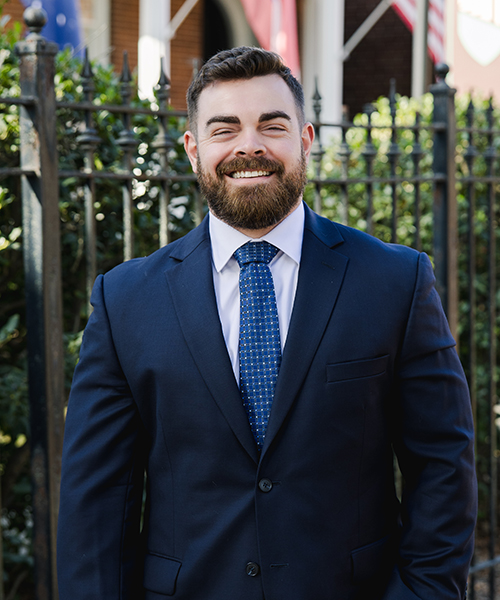
Dane Anderson

Bailey Marshall
Who Is at Fault in a Sledding Accident Involving a Vehicle?
Fault depends on negligence, not the presence of snow. Insurance companies often try to shift blame to pedestrians or children, but that does not determine legal responsibility.
Driver fault may apply when the driver:
-
Was traveling too fast for conditions
-
Failed to keep proper control
-
Drove while impaired
-
Ignored visible sledding activity
-
Lost control and left the roadway
What if the pedestrian was sledding near the road?
Sledding near a street does not automatically eliminate a claim. Drivers must anticipate foreseeable hazards, especially in residential areas where children are present.
Comparative Fault Rules in Georgia and South Carolina
Both states use comparative fault systems, meaning more than one party can share responsibility.
-
Georgia allows recovery if the injured person is less than 50 percent at fault.
-
South Carolina allows recovery if the injured person is 50 percent or less at fault.
Even if a pedestrian made a mistake, a driver who was speeding, impaired, or reckless may still be primarily responsible.
Hit and Run After a Sledding Accident
Some winter sledding accidents involve drivers fleeing the scene. Cold weather, panic, or intoxication often play a role, but leaving the scene only worsens the consequences.
Drivers must:
-
Stop immediately
-
Call emergency services
-
Provide identification
-
Render aid if possible
Hit and run crashes often support additional damages in a civil claim and lead to serious criminal charges.
Common Injuries in Sledding-Related Pedestrian Accidents
Sledding accidents involving vehicles often result in catastrophic injuries due to speed, sliding impact, and lack of protection.
Common injuries include:
-
Traumatic brain injuries
-
Spinal cord damage
-
Broken legs, arms, and hips
-
Internal bleeding
-
Severe facial injuries
-
Long-term disability
Children may suffer injuries that affect development, education, and quality of life.






What to Do After a Sledding Accident
Immediate steps can protect both health and legal rights.
Important actions include:
-
Call 911 and request medical assistance
-
Ensure police document weather and road conditions
-
Take photos of the scene, sledding area, and vehicle tracks
-
Gather witness information
-
Avoid insurance statements without legal guidance
Early evidence is often critical in winter accident cases.
Compensation Available After a Sledding Accident
A pedestrian injury claim may include compensation for:
-
Emergency medical care
-
Hospital stays and surgery
-
Rehabilitation and therapy
-
Future medical needs
-
Lost income or earning ability
-
Pain and suffering
-
Wrongful death damages in fatal cases
DUI-related cases may also allow punitive damages.
Related Videos
Choosing a Personal Injury Attorney
How Much Is My Personal Injury Claim Worth?
How a Pedestrian Accident Lawyer Can Help
Sledding accidents are complex because insurers try to blame weather or child behavior. Legal representation levels the playing field.
A Georgia pedestrian accident lawyer or South Carolina personal injury lawyer can:
-
Investigate road conditions and driver conduct
-
Obtain DUI and police records
-
Work with accident reconstruction experts
-
Handle insurer negotiations
-
Prepare the case for trial
Strong advocacy protects injured families from unfair blame.
Speak With a Trusted Georgia or South Carolina Attorney Today
If your child or loved one was injured in a sledding accident involving a vehicle in Georgia or South Carolina, help is available. Malchow Johnson Injury Lawyers provides experienced, compassionate, and results-driven representation across both states. Contact us today to schedule a confidential consultation and learn how your rights and recovery can be protected.
Client Testimonials
Construction Accident Client Testimonial
Workers' Comp Client Testimonial

 |

 |