
Kitchen fires, especially those caused by turkey fryers, are a common but preventable source of injury during the holidays. If you or a loved one has been injured in a kitchen fire or due to a turkey fryer burn, understanding your homeowner’s insurance policy and options for medical bill recovery is essential. This article outlines your rights and the steps to take following a fire injury.
Introduction to Kitchen Fire Injuries 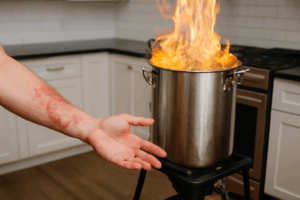
Every year, many people find themselves in the hospital after suffering burns or injuries from kitchen accidents, particularly those involving turkey fryers. Deep frying a turkey is a popular holiday tradition, but it’s also one of the most dangerous cooking methods. According to the National Fire Protection Association (NFPA), Thanksgiving Day sees the highest number of kitchen fires of any day of the year, with many of these fires resulting from turkey fryers. These accidents can lead to serious injuries, and in some cases, they can be fatal.
In addition to turkey fryer burns, kitchen fires cause a range of injuries, including smoke inhalation, burns from open flames, and injuries from falls. If you or a loved one has experienced such an injury, it’s important to know your rights and options. In particular, understanding how your homeowner’s insurance may help cover medical bills and other expenses can provide much-needed relief during a difficult time.
The Dangers of Turkey Fryer Burns
Turkey fryers are highly dangerous because they use large amounts of oil heated to extremely high temperatures. When the fryer is mishandled or used improperly, it can lead to severe burns, explosions, and even fires that cause extensive property damage. The heat and oil involved in turkey frying make it especially hazardous to anyone near the fryer, whether they’re the person operating it or simply in the vicinity.
- Severity of Burns: Turkey fryer burns are often severe because of the high temperatures of the oil, which can cause third-degree burns that destroy skin tissue and require long-term medical care. These types of burns may require skin grafts or other surgical treatments, and in some cases, they can result in permanent scarring or disfigurement.
- Types of Burns: Burns from turkey fryers are classified into three categories: first-degree burns, second-degree burns, and third-degree burns. First-degree burns are minor and affect only the top layer of skin. Second-degree burns affect deeper layers of skin and often lead to blistering. Third-degree burns are the most severe, causing damage to all layers of the skin and sometimes the tissues underneath, which may result in permanent damage and require intensive medical intervention.
- Burn Treatment: Immediate first aid for turkey fryer burns includes removing the person from the source of heat, cooling the burn with water, and covering the burn with a sterile cloth. However, serious burns require emergency medical attention, including IV fluids, pain management, and surgical treatments.
Other Common Kitchen Fire Injuries
While turkey fryers are a major cause of fire-related injuries during the holidays, other types of kitchen fires can also cause significant harm. Fires caused by faulty electrical equipment, stove malfunctions, or grease fires can lead to similar injuries. Here are a few of the injuries that can result from a kitchen fire:
- Smoke Inhalation: Fires often generate toxic smoke that can be harmful to the lungs and respiratory system. Inhaling smoke during a kitchen fire can lead to severe respiratory issues, including difficulty breathing, lung damage, and even long-term health problems.
- Falls and Trauma: In the chaos that follows a kitchen fire, many people suffer from injuries resulting from falls or attempting to escape the fire. Whether from tripping over debris, falling from a ladder while trying to reach something, or attempting to flee the scene, the trauma caused by falls can range from sprains and fractures to head injuries and broken bones.
- Burns from Flames: In addition to burns from hot oil, kitchen fires often involve direct contact with flames or heat. The intense heat from a fire can quickly cause severe burns, especially if the individual is unable to escape the heat or flames in time.
What to Do If You’re Injured in a Kitchen Fire
If you or someone in your household is injured due to a turkey fryer accident or kitchen fire, there are several steps you need to take to ensure that you receive the necessary medical care and compensation. Kitchen fire injuries can be costly, both in terms of medical treatment and lost income from time off work, so understanding how to navigate the aftermath is crucial.
- Seek Medical Care Immediately
The most important first step after a kitchen fire injury is to seek immediate medical attention. Even if the burns appear minor, it’s essential to have a medical professional assess the injury and provide appropriate care. For severe burns, you may need to be admitted to a hospital for treatments such as skin grafts, wound care, and pain management. - Report the Accident to Your Insurance Company
Once you’ve received medical attention, the next step is to contact your homeowner’s insurance company. Many people don’t realize that their homeowner’s insurance may cover medical expenses related to fire injuries, even if the fire occurred in the kitchen. Your insurance policy may include both medical payments coverage and liability coverage, both of which can help with the costs of your injuries. - Document the Damage
If possible, document the scene of the fire and your injuries. This can include taking photos of the fire damage, your injuries, and any other evidence related to the accident. Detailed documentation is vital for filing a claim and for seeking compensation. - Consult an Attorney
In some cases, you may be entitled to more than just compensation through your homeowner’s insurance. If the fire was caused by someone else’s negligence, such as a defective product or faulty equipment, you may have grounds to pursue a personal injury lawsuit. A personal injury lawyer can help you navigate this process and maximize your compensation.
How Homeowner’s Insurance Can Help with Medical Bills
Homeowner’s insurance can be an essential tool for recovering medical expenses following a kitchen fire injury. While policies vary, many homeowner’s insurance plans offer coverage for medical payments, liability, and property damage caused by accidents on your property. Here’s how homeowner’s insurance typically covers kitchen fire injuries:
- Medical Payments Coverage: This provision in many homeowner’s insurance policies pays for medical expenses resulting from injuries that occur on your property. If you’re injured in a kitchen fire, medical payments coverage could help pay for immediate treatments such as emergency room visits, ambulance rides, and follow-up care like physical therapy.
- Liability Coverage: Liability coverage within homeowner’s insurance policies can cover costs if the fire was caused by negligence, either on your part or someone else’s. If the fire was caused by a faulty appliance or other equipment, liability insurance could help cover your injuries and any damage caused to others.
- Legal Costs: In some cases, if your homeowner’s insurance includes liability coverage, it may also help cover legal costs if a lawsuit is necessary to recover damages. For example, if the fire was caused by a defective turkey fryer, you might need to pursue legal action against the manufacturer to cover medical expenses.
Steps for Filing an Insurance Claim
If you’re planning to file an insurance claim following a kitchen fire injury, there are several steps to follow:
- Report the Incident: Notify your insurance company as soon as possible after the injury occurs. Most insurance companies have a specific time frame within which you must file a claim.
- Provide Detailed Information: When you file a claim, provide detailed information about the accident, including the cause of the fire, the extent of your injuries, and any medical treatments you’ve received.
- Submit Documentation: Be prepared to submit documentation, including photos of the injury, the scene of the fire, and medical records. Your insurance company will likely require this documentation to process your claim.
- Review the Policy: Before filing a claim, review your homeowner’s insurance policy to understand the coverage limits and exclusions. This will help you determine whether the policy covers your injuries and medical expenses.
Legal Considerations and Medical Bill Recovery
In some cases, your homeowner’s insurance may not fully cover all the medical bills resulting from a kitchen fire injury. If the fire was caused by negligence or faulty equipment, you may be able to seek additional compensation through a personal injury lawsuit. A lawyer specializing in burn injuries or fire-related accidents can help you recover medical expenses and other damages such as lost wages, pain and suffering, and emotional distress.
If you’re unsure whether you have a case, consulting with an experienced personal injury lawyer can provide valuable guidance. They can help you understand your legal rights, negotiate with insurance companies, and pursue a lawsuit if necessary.
Kitchen fires, including those caused by turkey fryers, can lead to devastating injuries and financial hardships. However, understanding your rights under homeowner’s insurance and seeking legal help can provide financial relief. Homeowner’s insurance policies may cover a significant portion of medical bills, and in some cases, legal action can lead to additional compensation. If you or someone you know has suffered from a kitchen fire injury, Malchow Johnson Injury Lawyers is here to help. Our experienced attorneys in Augusta, GA, are ready to assist you with filing claims and recovering medical expenses.