Malchow Johnson Injury Lawyers often assists clients involved in collisions with farm equipment on South Carolina highways. Understanding the laws governing slow-moving agricultural vehicles is essential for both operators and motorists. Farm machinery can legally travel on highways under certain conditions, such as transporting crops, moving between fields, or accessing necessary services. Operators must follow signage requirements, observe speed restrictions, and take safety precautions to protect themselves and others. Being aware of these regulations reduces the risk of accidents and legal liability while ensuring compliance with state traffic laws.





Understanding Farm Equipment on Public Roads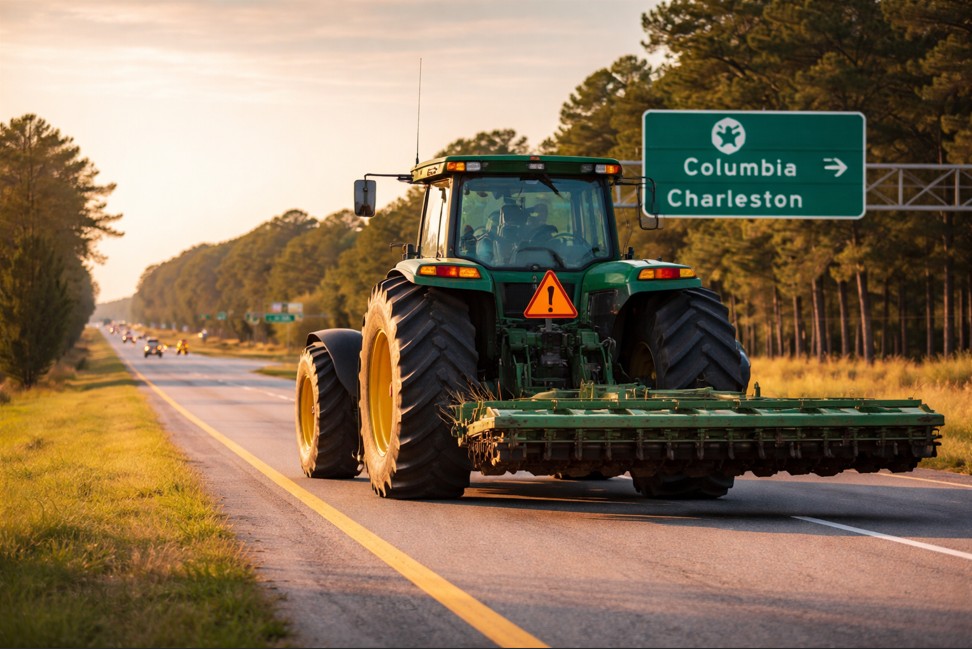
Farm equipment includes tractors, harvesters, utility vehicles, and other machinery designed primarily for agricultural use. While these vehicles are mostly intended for off-road work, circumstances often require them to travel on public roads to reach different parts of a farm, deliver goods, or obtain maintenance services. South Carolina law recognizes the practical need for this travel but sets strict guidelines to protect both operators and other road users. The roads are shared spaces, and slow-moving farm vehicles present unique challenges to other drivers who may be unaccustomed to encountering them on highways. The presence of large, heavy machinery moving slowly demands both legal compliance and heightened awareness from everyone on the road.
Legal Requirements for Farm Equipment on Highways
South Carolina allows farm equipment on highways if certain legal conditions are met. Vehicles must be engaged in agricultural activities or transporting farm products. Travel is generally permitted only between fields, farms, or to locations where equipment maintenance is necessary. Operators must display slow-moving vehicle (SMV) emblems when appropriate and follow posted speed limits. Noncompliance can result in traffic citations and potential civil liability if an accident occurs. Operators are expected to exercise caution and prioritize safety to reduce risk for themselves and other road users.

Leland Malchow
Attorney - Partner

Chris Johnson
Attorney - Partner

Dane Anderson
Associate Attorney

Bailey Marshall
Associate Attorney
Slow-Moving Vehicle Emblems
A slow-moving vehicle emblem is a reflective orange triangle with a red border affixed to the rear of tractors and other farm machinery traveling at speeds below 25 miles per hour. This emblem is a legal requirement in South Carolina and serves to alert motorists to the presence of slower-moving vehicles. Proper placement and visibility of the emblem are essential, especially in low-light conditions or on high-speed roadways. Failure to display an SMV emblem can lead to citations, fines, or enhanced liability in the event of an accident.
Time and Roadway Considerations
Even when permitted by law, farm equipment operators should limit highway travel whenever possible. Secondary or rural roads are preferred, with high-speed highways reserved for unavoidable trips. Operators are advised to avoid peak traffic periods and to pull over safely to allow faster-moving vehicles to pass, minimizing congestion and reducing the risk of accidents. Awareness of surroundings, including intersections, sharp turns, and visibility issues, is crucial. Motorists sharing the road should remain patient and allow safe passage whenever they encounter slow-moving agricultural vehicles.

They made everything easy for me! Even when I lost faith in the car accident where a drunk driver hit me, they helped me through every process. They were quick as they could be and made everything easier for me while being in the process of my move to Japan for the Navy, full time student, and planning my own wedding. I appreciated the help. Thank you!”
- Julissa Evans
I had the pleasure of allowing Mr. Leland Malchow to represent my case and I would recommend 10star rating if possible. Not only was Mr. Leland very professional and knowledgeable, he also took the time to listen to my frustrations about my situation. He offered a listening ear, as well as some kind motivational advice. Our relationship has been through business only but I would extend a hand to him and the law firm from here on out. Thank you all and God Bless."
- Chris Rowland
Chris Johnson is an exceptional attorney for car wreck cases. His expertise, clear communication, thorough preparation, and effective negotiation skills led to a favorable outcome. With compassion and support, he guided me through the process, making him highly recommended for anyone in need of a skilled legal advocate."
- Jayko Robinett
Operator Responsibilities
Operators of farm equipment carry a duty to ensure safe roadway use. Maintenance is critical, including regular checks on brakes, steering, lights, and tires. Operators must use headlights, taillights, and turn signals when necessary and remain alert to other traffic. Compliance with all traffic laws is required, and operators should plan routes that reduce potential hazards. Safe operation requires anticipating other vehicles’ actions, signaling intentions clearly, and adhering to the legal requirements for SMV signage and speed. These responsibilities are essential to protecting lives and minimizing the likelihood of legal consequences.
Insurance and Liability Considerations
Even when farm equipment use on highways is lawful, collisions can lead to serious legal and financial outcomes. Operators should maintain insurance coverage that accounts for road use. Victims of collisions should document damages, seek medical attention, and contact legal counsel. Malchow Johnson Injury Lawyers provides guidance to those injured in farm equipment accidents, assisting with claims, negotiating settlements, and pursuing compensation for medical costs, lost income, and other damages. Proper legal advice ensures victims can navigate complex agricultural and traffic law regulations while protecting their rights.
Common Examples of Highway Use
Farm equipment is often seen traveling on public roads for:
- Transporting harvested crops to storage or processing facilities.
- Moving machinery between fields during planting or harvest seasons.
- Traveling to neighboring farms for equipment repairs or supplies.
- Pulling trailers with seeds, feed, or other agricultural materials.
Safety Tips for Motorists
Motorists encountering farm equipment should maintain caution and patience. Slow-moving vehicles may occupy more than one lane, make wide turns, or move unpredictably at highway speeds. Drivers should reduce speed, increase following distance, and anticipate equipment maneuvers. SMV emblems signal the presence of slower traffic and should prompt extra caution. Understanding that farm vehicles are performing essential work encourages safe interaction and reduces the potential for collisions.
State Laws Protecting Farm Equipment Operators
South Carolina law offers legal protections for agricultural operators on public roads, recognizing the necessity of highway travel for farming activities. Legal protections are conditional on compliance with safety and traffic regulations, including SMV signage and speed restrictions. Failure to adhere to these rules can result in citations or civil liability in accidents. Awareness of state law is crucial for operators to ensure legal compliance and safe travel while minimizing risk to themselves and others.
Highway Safety During Seasonal Activities
During planting and harvest periods, the frequency of farm equipment on public roads increases significantly. Operators should be mindful of traffic patterns, visibility conditions, and roadway hazards. Early morning fog, rain, or low light can reduce visibility, requiring headlights, taillights, and reflective markers. Motorists should anticipate slower-moving vehicles and adjust driving behavior accordingly, particularly at intersections or near rural access points. Awareness during seasonal activity is essential to reduce accident risk and maintain safe roadways.
Key Takeaways
Farm equipment is allowed on South Carolina highways under defined legal conditions. Operators must display SMV emblems, follow speed limits, select safe routes, and comply with traffic laws. Motorists should exercise patience, maintain safe distances, and anticipate slow or wide vehicle movements. Insurance coverage is critical for operators, and legal counsel may be needed if accidents occur. Malchow Johnson Injury Lawyers is available to assist individuals injured in farm equipment collisions, ensuring proper legal guidance and protection of rights.
If you or a loved one were injured in a collision involving farm equipment on a South Carolina highway, contact Malchow Johnson Injury Lawyers. Our experienced attorneys in Georgia and South Carolina help victims understand their rights, pursue compensation for medical bills, lost income, and property damage, and guide clients through complex legal processes. Schedule a free consultation today to speak with professionals who are experienced in agricultural vehicle accidents and highway law.


 |
 |