
As temperatures rise in Georgia and South Carolina, more motorcyclists return to the road after winter months. This seasonal increase in riders often leads to a spike in motorcycle accidents each spring. Warmer weather encourages recreational riding, longer trips, and heavier traffic, all of which raise the risk of serious collisions. Motorcyclists are especially vulnerable because they lack the protective structure that cars and trucks provide. Understanding why spring brings higher crash rates can help riders stay safer and help injured victims understand their legal rights.
Within the first few weeks of spring, motorcycle registrations, riding events, and commuting trips all increase throughout the Southeast. Unfortunately, drivers who spent winter months sharing the road mainly with other cars may not immediately adjust to motorcycles returning to traffic. That delay in awareness often contributes to dangerous collisions.

They made everything easy for me! Even when I lost faith in the car accident where a drunk driver hit me, they helped me through every process. They were quick as they could be and made everything easier for me while being in the process of my move to Japan for the Navy, full time student, and planning my own wedding. I appreciated the help. Thank you!”
- Julissa Evans
I had the pleasure of allowing Mr. Leland Malchow to represent my case and I would recommend 10star rating if possible. Not only was Mr. Leland very professional and knowledgeable, he also took the time to listen to my frustrations about my situation. He offered a listening ear, as well as some kind motivational advice. Our relationship has been through business only but I would extend a hand to him and the law firm from here on out. Thank you all and God Bless."
- Chris Rowland
Chris Johnson is an exceptional attorney for car wreck cases. His expertise, clear communication, thorough preparation, and effective negotiation skills led to a favorable outcome. With compassion and support, he guided me through the process, making him highly recommended for anyone in need of a skilled legal advocate."
- Jayko Robinett
Why Spring Weather Brings More Motorcyclists Onto the Road
Warmer temperatures create ideal riding conditions. After colder winter months, riders are eager to return to highways, scenic routes, and city streets across Georgia and South Carolina.
Several factors contribute to the seasonal increase in motorcycle traffic:
-
Comfortable temperatures that make riding enjoyable
-
Longer daylight hours that allow riders to travel farther
-
Tourism and outdoor activities that increase road congestion
-
Motorcycle events and rallies common during spring months
-
Commuters switching from cars to motorcycles
Because of these changes, roadways that had minimal motorcycle traffic in winter suddenly experience a sharp increase in riders. Many drivers simply are not expecting them.
Why Spring Motorcycle Accidents Increase
The return of motorcycles each spring creates a dangerous adjustment period for motorists. Drivers must quickly adapt to spotting smaller vehicles that move differently than passenger cars.
Several common conditions lead to spring motorcycle crashes.
Drivers Fail to Notice Motorcycles
Motorcycles are smaller and easier to miss than other vehicles. Drivers who are accustomed to winter traffic patterns may overlook a motorcycle while turning or changing lanes.
Common driver errors include:
-
Turning left in front of a motorcycle
-
Changing lanes without checking blind spots
-
Following too closely
-
Opening a car door into a rider’s path
Riders Returning After Winter Break
Some riders may have limited experience early in the season. After months without riding, reaction times and road awareness may take time to fully return.
Inexperienced riders are especially vulnerable when:
-
Adjusting to higher speeds
-
Navigating crowded highways
-
Riding unfamiliar routes
Increased Traffic and Road Construction
Spring often brings road repairs and infrastructure projects across Georgia and South Carolina. Construction zones create sudden lane shifts, uneven pavement, and debris that can be especially dangerous for motorcycles.
Hazards include:
-
Loose gravel
-
Uneven pavement
-
Narrow lanes
-
Sudden traffic slowdowns
Even a small obstacle that a car could handle easily may cause a motorcyclist to lose control.
Attorney - Partner Attorney - Partner Associate Attorney Associate Attorney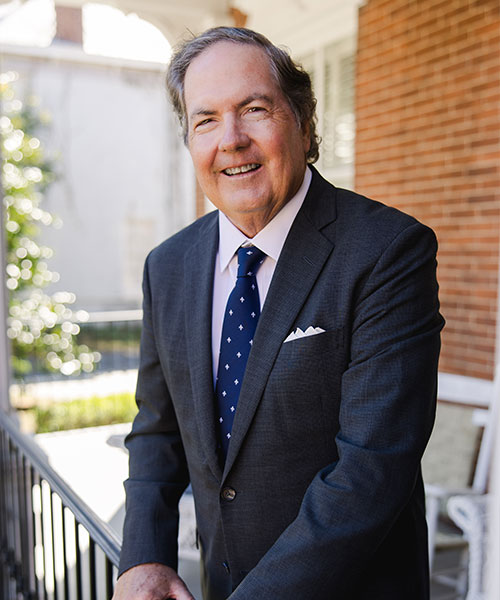
Leland Malchow
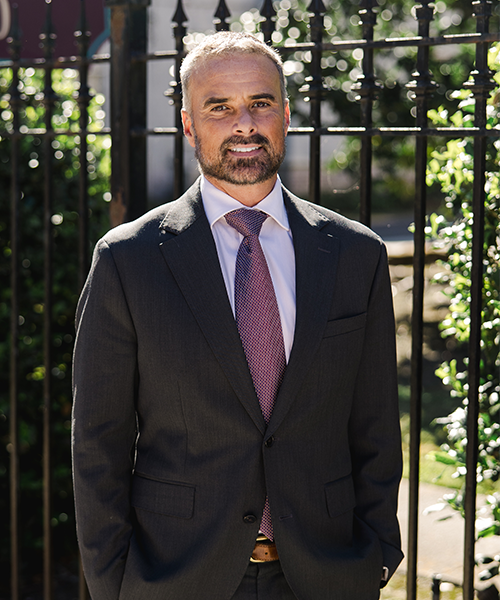
Chris Johnson
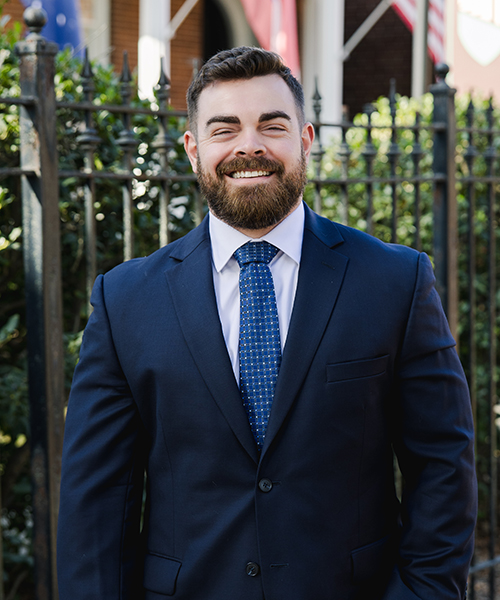
Dane Anderson
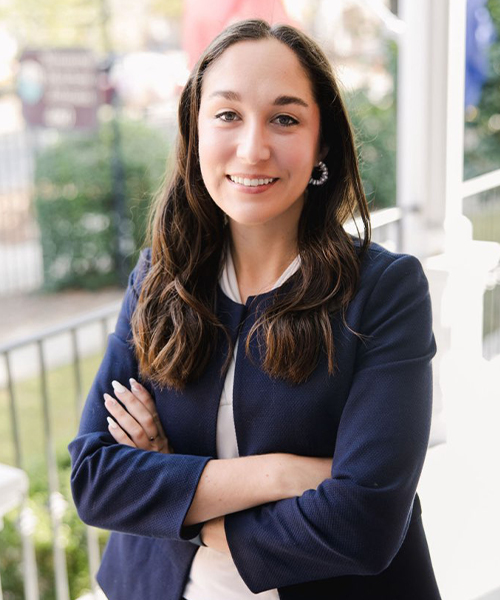
Bailey Marshall
The Severity of Motorcycle Accident Injuries
Motorcycle accidents often lead to serious injuries because riders have minimal physical protection. Even with proper safety gear, the impact of a crash can be devastating.
Common motorcycle accident injuries include:
-
Traumatic brain injuries
-
Spinal cord damage
-
Broken bones
-
Road rash
-
Internal organ injuries
Medical treatment for these injuries can require surgery, rehabilitation, and long-term care. In severe cases, victims may face permanent disability or loss of earning capacity.
Georgia and South Carolina Motorcycle Laws Riders Should Know
Motorcyclists in Georgia and South Carolina must follow specific laws designed to reduce accident risks. These laws also play a role in determining liability after a crash.
Helmet Requirements
Both Georgia and South Carolina require motorcycle riders to wear helmets that meet federal safety standards. Helmets significantly reduce the risk of fatal head injuries.
Lane Usage
Motorcycles must follow the same traffic laws as other vehicles. Lane splitting is generally unsafe and may contribute to accident liability.
Comparative Fault Rules
Georgia and South Carolina both follow modified comparative negligence rules.
This means:
-
An injured rider may still recover compensation if partially at fault.
-
Compensation is reduced based on the rider’s percentage of fault.
-
If a rider is 50 percent or more responsible, recovery may be limited.
Insurance companies often attempt to shift blame onto motorcyclists. Evidence and legal representation can be critical in protecting a victim’s claim.







What to Do After a Motorcycle Accident
If you are involved in a motorcycle crash in Georgia or South Carolina, taking the right steps can protect both your health and your legal claim.
Seek Medical Attention Immediately
Even if injuries seem minor, medical evaluation is essential. Some injuries may not appear until hours or days after the crash.
Call Law Enforcement
A police report documents key details about the accident scene and helps establish fault.
Gather Evidence
If possible, collect:
-
Photos of the accident scene
-
Vehicle damage
-
Road conditions
-
Witness contact information
Avoid Speaking With Insurance Adjusters Alone
Insurance companies often contact victims quickly after accidents. Statements made early can be used later to reduce compensation.
How an Attorney Helps Motorcycle Accident Victims
Motorcycle accident cases often involve complex liability issues. Drivers may claim they never saw the rider, while insurance companies may argue that the motorcyclist was speeding or riding aggressively.
An experienced attorney can help by:
-
Investigating the accident scene
-
Reviewing police reports and medical records
-
Interviewing witnesses
-
Consulting accident reconstruction experts
-
Negotiating with insurance companies
Legal representation can significantly improve the chances of recovering compensation for medical bills, lost income, and long-term care needs.
Related Videos
Choosing a Personal Injury Attorney
How Much Is My Personal Injury Claim Worth?
Example Scenario: A Spring Motorcycle Collision
Consider a common situation seen each spring.
A rider travels through an Augusta intersection on a clear afternoon. A driver waiting to turn left assumes the motorcycle is farther away than it actually is. The driver turns directly into the rider’s path, causing a violent collision.
In many cases like this, the driver claims they simply did not see the motorcycle. Unfortunately, that moment of inattention can lead to life-altering injuries.
Investigations often reveal contributing factors such as:
-
Distracted driving
-
Failure to yield
-
Misjudging motorcycle speed
-
Limited visibility
Protecting Motorcyclists During Spring Riding Season
Both riders and drivers can reduce accident risks by remaining alert as motorcycle traffic increases.
Riders should:
-
Wear high-visibility gear
-
Maintain safe speeds
-
Avoid blind spots near larger vehicles
-
Complete refresher riding courses after winter
Drivers should:
-
Check mirrors and blind spots carefully
-
Allow extra space for motorcycles
-
Use caution when turning at intersections
-
Expect motorcycles to appear more frequently in spring
Awareness from both groups can help prevent serious crashes.
Speak With a Trusted Georgia or South Carolina Attorney Today
If you or a loved one were injured in a motorcycle accident in Georgia or South Carolina, reach out today. Malchow Johnson Injury Lawyers provides experienced, compassionate, and results-driven representation across both states. Contact us now to schedule a confidential consultation and learn how we can protect your rights and recovery.
Client Testimonials
Construction Accident Client Testimonial
Workers' Comp Client Testimonial


 |

 |