
In Augusta, car accidents tend to increase during early spring rainstorms, causing concern for both residents and visitors alike. At Malchow Johnson Injury Lawyers, we see firsthand how these weather conditions can impact driving safety. In this piece, we’ll explore why accidents spike during these rainy periods and provide tips to stay safe on the roads during this season.







Understanding the Link Between Early Spring Rainstorms and Car Accidents in Augusta 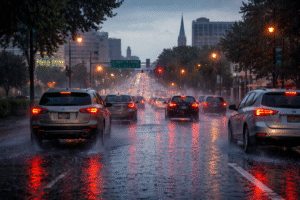
As the weather shifts into spring, Augusta experiences an increase in rainstorms, which often results in more frequent and severe car accidents. For many drivers, navigating through these storms can be challenging, as wet roads create hazardous conditions. Factors such as reduced traction, limited visibility, and driver behavior contribute significantly to the rise in accidents. Here’s why early spring rainstorms lead to more crashes on Augusta’s roads.
The Impact of Wet and Slippery Roads on Driver Safety
One of the primary reasons for the increased risk of accidents during early spring rainstorms is the condition of the roads. Rain on already dry or partially wet roadways can create slick conditions, which makes it much harder for vehicles to maintain traction. Asphalt surfaces, which are often smooth, become particularly slippery when wet. The tire-to-road friction is greatly reduced, leading to a higher risk of skidding and losing control of the vehicle.
As rainwater mixes with dirt, oil, and other residues on the road, these substances create a slippery mixture, particularly in the initial stages of a rainstorm. These early moments are often the most dangerous, as the oil that has been building up on the road over the winter months combines with the rain, turning the streets into a slick surface that’s difficult to navigate.
Attorney - Partner Attorney - Partner Associate Attorney Associate Attorney
Leland Malchow

Chris Johnson

Dane Anderson

Bailey Marshall
The Risk of Hydroplaning During Spring Rainstorms
Another major contributing factor to the spike in car accidents during early spring rainstorms is the risk of hydroplaning. Hydroplaning occurs when a vehicle’s tires are unable to displace water on the road fast enough, causing the tires to lose contact with the surface. This can happen even at relatively low speeds if the road is flooded or there is a significant amount of standing water.
During spring rainstorms, it is common for roads to become flooded, especially in areas where drainage systems are overwhelmed. Hydroplaning is particularly dangerous because it can cause a driver to lose control of their vehicle, resulting in serious accidents. The risk of hydroplaning is more pronounced when drivers maintain high speeds, fail to adjust their driving behavior, or do not have properly maintained tires.
Visibility Challenges During Early Spring Rainstorms
In addition to slick roads, early spring rainstorms often bring reduced visibility. Rain, fog, and the glare of headlights can make it extremely difficult for drivers to see other vehicles, road signs, or hazards ahead. The combination of these factors significantly increases the risk of collisions, as drivers may not be able to react in time to avoid danger.
Many drivers also fail to turn on their headlights during rainy conditions, further reducing their visibility. While it may seem like headlights are unnecessary during daylight, the fact is that they are crucial for improving visibility, even in light rain. When other drivers can’t see you, the risk of a collision increases significantly.
The First Rainstorm of the Season is Often the Most Dangerous
Interestingly, the first rainstorm of the season is often the most dangerous. After a dry spell, roads accumulate dust, dirt, and oils from vehicles. When the first rain hits, it mixes with these substances, creating a slick, treacherous surface that can catch even the most cautious drivers off guard. This initial rainfall can lead to more accidents as drivers may not be accustomed to the slick road conditions, and they may not take the necessary precautions to drive safely.
This first rainstorm is typically more hazardous than subsequent storms, as the roads have not yet been washed clean by the rain, and the mixture of oils and dirt is still present on the surface. The danger is heightened by the fact that many drivers may not adjust their speed or behavior in response to the newly slick conditions.
They made everything easy for me! Even when I lost faith in the car accident where a drunk driver hit me, they helped me through every process. They were quick as they could be and made everything easier for me while being in the process of my move to Japan for the Navy, full time student, and planning my own wedding. I appreciated the help. Thank you!” - Julissa Evans I had the pleasure of allowing Mr. Leland Malchow to represent my case and I would recommend 10star rating if possible. Not only was Mr. Leland very professional and knowledgeable, he also took the time to listen to my frustrations about my situation. He offered a listening ear, as well as some kind motivational advice. Our relationship has been through business only but I would extend a hand to him and the law firm from here on out. Thank you all and God Bless." - Chris Rowland Chris Johnson is an exceptional attorney for car wreck cases. His expertise, clear communication, thorough preparation, and effective negotiation skills led to a favorable outcome. With compassion and support, he guided me through the process, making him highly recommended for anyone in need of a skilled legal advocate." - Jayko Robinett
How Driver Behavior Contributes to the Increased Risk of Accidents
While weather conditions certainly play a significant role in the increase of accidents during early spring rainstorms, driver behavior is another major factor. Many drivers fail to adjust their habits when weather conditions change. Here’s how certain behaviors can increase the likelihood of accidents during these rainy periods.
Speeding and Failing to Adjust to Road Conditions
One of the most common mistakes drivers make during rainstorms is speeding. In dry conditions, drivers may feel comfortable maintaining a certain speed, but when the roads are wet, this speed becomes much more dangerous. Water on the road increases stopping distances, and sudden braking can cause the vehicle to lose traction.
Unfortunately, many drivers don’t recognize the need to slow down during rainstorms, thinking they can continue driving as they would on dry pavement. This can lead to a loss of control, particularly when a vehicle encounters standing water or slippery patches on the road.
Choosing a Personal Injury Attorney How Much Is My Personal Injury Claim Worth?Related Videos
Tailgating and Not Keeping a Safe Distance
Tailgating, or following too closely behind another vehicle, is a dangerous practice in all weather conditions, but it’s especially hazardous during rainstorms. On wet roads, it’s crucial for drivers to maintain extra distance between their vehicles to account for longer stopping distances. Failing to do so can result in rear-end collisions if the vehicle in front of them suddenly brakes or encounters a hazard.
When roads are wet, vehicles take longer to come to a complete stop. If drivers are too close to one another, there’s not enough time or space to react to a sudden stop, leading to accidents.
Failure to Use Proper Lighting
During early spring rainstorms, drivers should always use their headlights, even during the day. Unfortunately, many drivers fail to turn on their headlights when it’s raining, which reduces visibility for both them and other drivers on the road. Using headlights helps make vehicles more visible to other drivers, and it can significantly reduce the risk of an accident.
Many states, including Georgia, require drivers to use their headlights during inclement weather. Headlights help illuminate the road ahead, as well as other vehicles, making it easier to spot potential dangers such as puddles, debris, or sudden obstacles.
What Drivers Can Do to Stay Safe During Early Spring Rainstorms
At Malchow Johnson Injury Lawyers, we believe that being proactive about driving safely in rainy conditions can help reduce the likelihood of accidents. Here are a few essential tips that can help keep you and others safe on the road during early spring rainstorms:
Slow Down and Maintain a Safe Speed
The best thing drivers can do when it rains is to reduce their speed. Slower speeds provide more time to react to hazards, and it also reduces the risk of hydroplaning. While it may be tempting to maintain normal speeds, especially on highways or well-maintained roads, it’s important to remember that wet conditions significantly affect vehicle control.
Increase Your Following Distance
Give yourself plenty of space between your vehicle and the one ahead. Increasing your following distance provides additional time to react if the vehicle in front of you suddenly brakes or encounters a hazard. On wet roads, it takes longer to stop, so make sure to leave extra room to account for this.
Ensure Proper Tire Maintenance
Your tires are your primary contact with the road, and they are critical to staying safe in wet conditions. Make sure your tires have adequate tread to help prevent hydroplaning. Check your tire pressure regularly and replace any worn-out tires before you drive in rainy weather.
Use Your Headlights and Defroster
Always turn on your headlights during rainy conditions, even if it’s light rain. This increases your visibility and helps other drivers see you. Additionally, use your car’s defroster to prevent fogging on your windows, which can further limit visibility. Clear windows and good lighting are essential for safe driving in rainstorms.
Avoid Cruise Control
While cruise control may be helpful during dry weather, it’s dangerous to use it in the rain. Cruise control can cause your car to accelerate more quickly than you’d like, especially when the road conditions are slippery. In wet weather, always drive manually to maintain full control over your vehicle’s speed.
Stay Focused and Minimize Distractions
Distractions such as texting, talking on the phone, or adjusting the radio are dangerous in any weather, but they are particularly hazardous during rainstorms. Stay focused on the road and keep your hands on the wheel. Your attention is crucial when driving in wet conditions, and any distraction can increase your chances of an accident.
When to Contact Malchow Johnson Injury Lawyers
If you’ve been involved in a car accident due to poor weather conditions, it’s important to speak with an experienced attorney. At Malchow Johnson Injury Lawyers, we are dedicated to helping those who have been injured in accidents caused by early spring rainstorms. Our team of personal injury attorneys will guide you through the legal process and fight to ensure you receive the compensation you deserve. Contact us for a free consultation.
To learn more about this subject click here: Common Misconceptions About Whiplash After Car Accidents in Georgia


 |

 |