
The transition from daylight saving time (DST) to standard time, commonly referred to as the “fall back,” is often accompanied by more than just the inconvenience of darker evenings. As the days shorten, the risks for pedestrians increase dramatically, particularly during the post-work commute. With sunset now occurring earlier in the evening, many people are walking home or heading out during hours with significantly reduced visibility. This is especially dangerous for pedestrians, as being seen by drivers becomes far more difficult.







Studies show that pedestrian accidents are more likely to occur during twilight or nighttime hours, making this period directly after the time change particularly risky. The combination of shorter days and darker conditions at a time when people are still out and about can result in dangerous situations on the road.
How Reduced Daylight Affects Pedestrian Visibility 
The direct impact of reduced daylight on pedestrian safety is clear—darker conditions mean pedestrians are less visible to drivers, particularly in urban areas where street lighting might not be optimal. Visibility plays a crucial role in preventing accidents, and pedestrians crossing streets during the evening rush hour are at a heightened risk.
One key factor contributing to pedestrian accidents after the time change is that drivers are often not prepared for the shift in lighting. During the earlier months of daylight saving time, the sun sets later, allowing drivers to adjust to the visual changes. However, as the time changes, both drivers and pedestrians must navigate unfamiliar conditions. Reduced visibility and fatigue, coupled with a lack of preparedness for darker evenings, exacerbate the risk of accidents.
In the months following the time change, many drivers are still adjusting to the sudden darkness that appears earlier in the evening. As a result, they may be less aware of pedestrians, particularly those who are walking near crosswalks or intersections. The chance of a pedestrian being struck by a vehicle increases as both parties are forced to adapt to the darker conditions, and this can lead to serious injuries or fatalities.
Attorney - Partner Attorney - Partner Associate Attorney Associate Attorney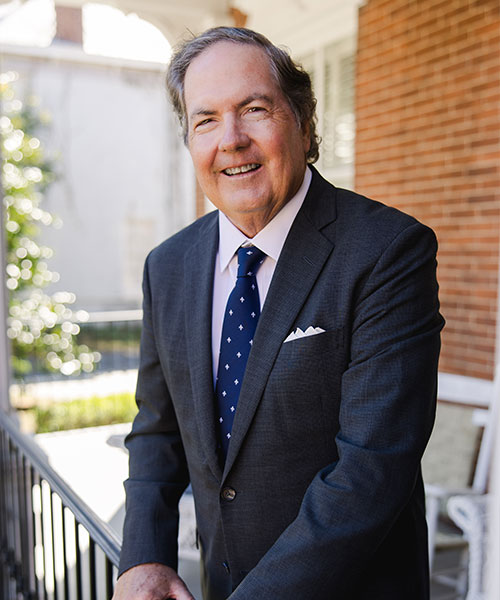
Leland Malchow
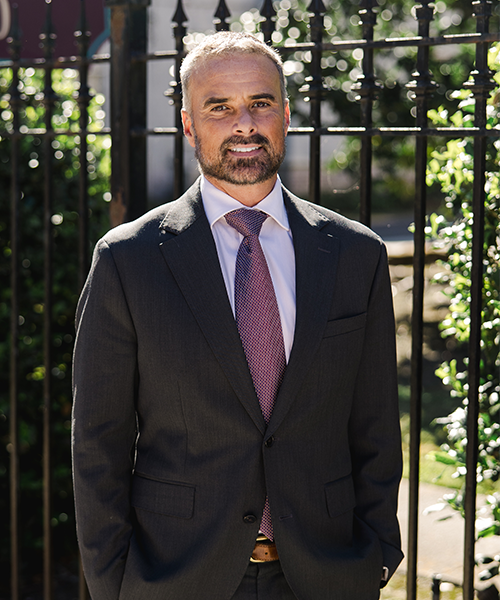
Chris Johnson
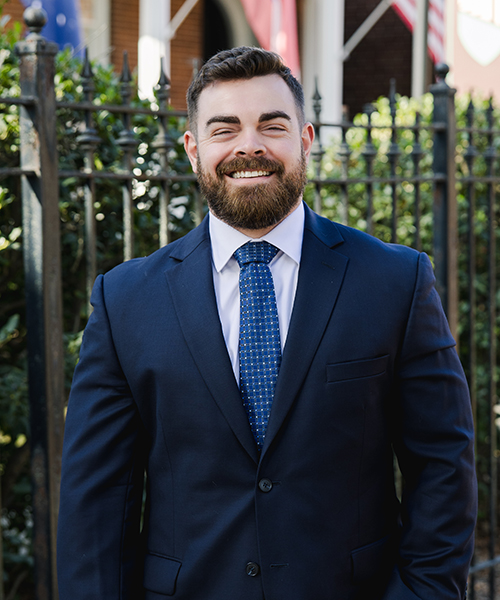
Dane Anderson

Bailey Marshall
Commuting After Work: A Perfect Storm for Pedestrian Claims
The after-work rush is one of the most dangerous times for pedestrians, especially after the time change. People are walking home from their jobs or running errands in the twilight hours, and their increased exposure to traffic combined with low visibility leads to a sharp increase in pedestrian accidents.
As many pedestrians rely on walking for short-distance travel, these evening strolls after the time change become more hazardous. For example, if you’re commuting from work at 5:30 pm, the sun may already have set, leaving you vulnerable. The earlier darkness makes it harder for drivers to spot pedestrians in crosswalks, especially when it’s raining or foggy, further complicating the situation.
Moreover, in some regions, walking conditions may also be less than ideal. Some areas lack proper lighting or infrastructure, making pedestrians more vulnerable to accidents. With more people commuting home from work in the same window of time, traffic congestion may increase, contributing to the chaos. In this environment, pedestrians and drivers need to exercise caution, yet it’s often easy for accidents to happen.
What Contributes to the Rise in Pedestrian Claims During the Fall and Winter Months?
Several factors contribute to the rise in pedestrian claims during the fall and winter months, when daylight saving time ends. These factors go beyond just the time change, but they all tie into the challenges pedestrians face when the sun sets earlier.
- Increased Pedestrian Foot Traffic
As people finish their workday or run errands, pedestrian traffic often increases in areas close to businesses, schools, and transit hubs. In these areas, both pedestrians and drivers are more likely to be navigating busy streets, which means that accidents are more likely to occur. During the fall months, more pedestrians are out at the same time due to earlier sunsets, leading to higher exposure to vehicle traffic. - Poor Weather Conditions
The fall and winter months are often accompanied by inclement weather, including rain, snow, and ice. These weather conditions not only reduce visibility but also make roads and sidewalks more hazardous. With wet or icy surfaces, pedestrians are more likely to lose their footing while crossing roads or sidewalks, increasing the risk of an accident. Moreover, vehicles driving in such conditions may be slower to react, compounding the danger. - Driver Fatigue and Distraction
As the time change disrupts sleep patterns, both drivers and pedestrians can become more fatigued, leading to slower reaction times. Drivers who are not adjusted to the time change may be more likely to miss seeing pedestrians, while distracted driving, such as using a phone or adjusting the radio, is also more prevalent during darker hours. - Slippery Conditions and Reduced Street Maintenance
Some areas fail to clear sidewalks or roads effectively after the time change, leaving pedestrians walking through areas where snow or ice may have accumulated. Poor street maintenance in winter months also contributes to accidents, as pedestrians can slip and fall on icy surfaces, increasing the likelihood of an accident.
They made everything easy for me! Even when I lost faith in the car accident where a drunk driver hit me, they helped me through every process. They were quick as they could be and made everything easier for me while being in the process of my move to Japan for the Navy, full time student, and planning my own wedding. I appreciated the help. Thank you!” - Julissa Evans I had the pleasure of allowing Mr. Leland Malchow to represent my case and I would recommend 10star rating if possible. Not only was Mr. Leland very professional and knowledgeable, he also took the time to listen to my frustrations about my situation. He offered a listening ear, as well as some kind motivational advice. Our relationship has been through business only but I would extend a hand to him and the law firm from here on out. Thank you all and God Bless." - Chris Rowland Chris Johnson is an exceptional attorney for car wreck cases. His expertise, clear communication, thorough preparation, and effective negotiation skills led to a favorable outcome. With compassion and support, he guided me through the process, making him highly recommended for anyone in need of a skilled legal advocate." - Jayko Robinett
How Pedestrians Can Protect Themselves During Darker Months
While we can’t control the time change or how drivers respond to darker conditions, there are several steps pedestrians can take to protect themselves and reduce their risk of being involved in an accident.
- Wear Reflective Clothing or Gear:
Visibility is a key factor in pedestrian safety, and wearing reflective clothing or gear can help increase your chances of being seen by drivers. Reflective vests, armbands, or even backpacks with reflective strips can help make you more visible, especially when walking in low-light conditions. - Use Well-Lit Routes:
Whenever possible, walk on well-lit sidewalks and crosswalks. Avoid areas that are poorly lit, as they are more dangerous and harder for drivers to see. - Cross at Designated Crosswalks:
Use crosswalks at intersections to cross roads safely. Always look both ways before crossing, even if you’re at a crosswalk, and make sure that drivers see you before proceeding. - Avoid Distractions:
Avoid using your phone, listening to music, or other distractions while walking, as being distracted makes it harder for you to stay alert to your surroundings. Distractions also reduce your ability to make split-second decisions, such as avoiding moving vehicles or other obstacles. - Be Cautious Around Intersections and Curves:
Intersections and curves are common locations where pedestrian accidents occur. Always use extra caution when walking through these areas, and make sure to make eye contact with drivers when crossing.
Choosing a Personal Injury Attorney How Much Is My Personal Injury Claim Worth?Related Videos
What to Do if You Are Involved in a Pedestrian Accident
If you are involved in a pedestrian accident, especially after the time change, it’s crucial to know what steps to take to protect your health and legal rights. Here’s what you should do:
- Seek Medical Attention:
Even if you feel fine, it’s essential to seek medical care after an accident. Some injuries, like concussions or internal injuries, may not be immediately visible. Getting checked out by a doctor can help ensure that you’re treated early. - Document the Incident:
If you’re physically able, document the accident scene, including taking photos of the location, your injuries, and any damages to vehicles involved. Also, gather contact information from witnesses and the driver involved. - Report the Accident:
File a police report to document the details of the incident. A police report is often crucial when filing insurance claims and pursuing legal action. - Contact a Personal Injury Attorney:
If you’ve been injured, especially due to driver negligence, it’s essential to contact a personal injury attorney to help you navigate the legal process. An experienced lawyer will help you understand your rights and guide you through filing claims for compensation.
Malchow Johnson Injury Lawyers Can Help You After an Accident
Pedestrian accidents can cause serious injuries, and the time change increases the risks for pedestrians on the roads. If you or a loved one has been injured in a pedestrian accident, Malchow Johnson Injury Lawyers are here to help. Our experienced attorneys understand the complexities of pedestrian accident claims and will fight for the compensation you deserve. Contact us for a free consultation and get the legal support you need after an accident.