As autumn approaches, the sight of deer along Georgia roads becomes more frequent. While these animals are a common sight in rural areas throughout the state, during the fall, the risk of accidents involving deer rises significantly. Mating season for deer, combined with the changing weather and shorter days, increases the likelihood of deer crossing roads, often at the most inopportune times. This has led to a surge in deer-related accidents during the fall months, particularly from October to December. If you’re unfortunate enough to hit a deer, understanding how your insurance policy in Georgia handles these claims can help you navigate the process more efficiently and reduce the stress of dealing with the aftermath.






Why Deer Accidents Increase in the Fall 
The fall season is particularly risky for deer-related accidents due to several factors. The first is the mating season, which occurs during the months of October to December. Male deer, known as bucks, are often on the move, searching for mates and becoming more erratic in their behavior. They are less cautious than usual and more likely to dart across roads unexpectedly, increasing the chance of a collision. Additionally, the cooler weather leads to changes in deer movement patterns as they search for food to sustain them through the winter.
Another factor contributing to the increase in deer accidents is the time of day. Deer are most active at dawn and dusk, when visibility is low, and this is often when drivers are on the road commuting. The combination of limited visibility, the increased activity of deer, and the narrowing of daylight hours makes driving in the fall more dangerous. With these factors combined, it’s no surprise that fall is a peak season for deer-related crashes in Georgia.
Attorney - Partner Attorney - Partner Associate Attorney Associate Attorney
Leland Malchow

Chris Johnson
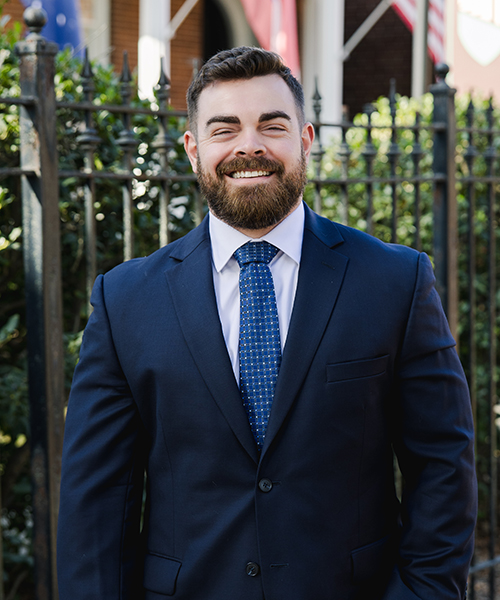
Dane Anderson

Bailey Marshall
What To Do After Hitting a Deer
If you find yourself in the unfortunate situation of hitting a deer, it’s essential to stay calm and follow the correct steps. Handling the situation properly can make a significant difference in the outcome of your insurance claim.
First, prioritize your safety. After hitting a deer, make sure you and your passengers are uninjured and in a safe spot. Move your car to the side of the road, if possible, to avoid blocking traffic. Always stay in the car if you’re in a dangerous area and wait for authorities to arrive.
Next, you should call the police to report the accident. Even if the damage seems minor, having an official report can be crucial for your claim. Police will also help clear the deer from the road and ensure that any potential hazards to other drivers are mitigated.
Be sure to document the scene thoroughly. Take photos of the damage to your vehicle, the surrounding area, and the location of the accident. These photographs can be helpful when filing your claim and may help your insurance adjuster assess the situation more clearly. Don’t forget to take pictures of the deer, especially if it’s still at the scene.
Lastly, do not approach the deer, even if it’s still alive. Deer can be unpredictable and aggressive when injured, and it’s safer to leave the handling of the animal to professionals.
They made everything easy for me! Even when I lost faith in the car accident where a drunk driver hit me, they helped me through every process. They were quick as they could be and made everything easier for me while being in the process of my move to Japan for the Navy, full time student, and planning my own wedding. I appreciated the help. Thank you!” - Julissa Evans I had the pleasure of allowing Mr. Leland Malchow to represent my case and I would recommend 10star rating if possible. Not only was Mr. Leland very professional and knowledgeable, he also took the time to listen to my frustrations about my situation. He offered a listening ear, as well as some kind motivational advice. Our relationship has been through business only but I would extend a hand to him and the law firm from here on out. Thank you all and God Bless." - Chris Rowland Chris Johnson is an exceptional attorney for car wreck cases. His expertise, clear communication, thorough preparation, and effective negotiation skills led to a favorable outcome. With compassion and support, he guided me through the process, making him highly recommended for anyone in need of a skilled legal advocate." - Jayko Robinett
How Georgia Insurance Handles Deer-Related Claims
In Georgia, many insurance policies cover deer-related accidents under the comprehensive section of your auto insurance. It’s important to have comprehensive coverage, as it covers damage to your vehicle caused by things like animals, theft, or natural disasters. However, if you only have liability coverage, your policy likely won’t cover damage caused by hitting a deer.
If your vehicle sustains damage in a deer-related accident, your insurance policy will typically cover the cost of repairs or even a replacement vehicle, depending on the extent of the damage and the type of coverage you have. The payout will be subject to your deductible, which is the amount you’ll need to pay out of pocket before your insurance coverage kicks in.
Georgia drivers with comprehensive coverage may also have access to coverage for medical expenses if they or their passengers are injured in a deer-related accident. While this coverage varies, it’s common for medical bills to be covered by your insurance provider, either through your own policy or under a personal injury protection (PIP) policy.
Some policies also provide additional services such as roadside assistance and towing. If your car is disabled after hitting a deer, comprehensive coverage might cover towing costs or even offer you a rental car while your vehicle is being repaired.
How To File a Claim After Hitting a Deer
Filing an insurance claim after a deer accident is straightforward if you follow these steps:
- Contact Your Insurance Company Immediately: As soon as you are in a safe location, reach out to your insurance provider to report the incident. Provide as many details as possible, including the location, time of the accident, and any damages or injuries. It’s also helpful to have the police report number, as this can assist in the claims process.
- Provide Documentation: Along with the police report, provide photographs of the accident scene and the damage to your vehicle. This documentation can help support your case and ensure a smoother claims process.
- Meet With a Claims Adjuster: Your insurance company will assign a claims adjuster to evaluate the damage to your vehicle. The adjuster will assess the cost of repairs and help determine the payout. If the car is deemed a total loss, the insurer will calculate its market value.
- Get Your Vehicle Repaired: Once the claim is approved, you can take your vehicle to an approved repair shop to fix the damage. Ensure the shop is one that is within your insurer’s network to avoid paying out of pocket for repairs.
Tips For Preventing Deer-Related Accidents
While you can’t prevent a deer from crossing your path, there are ways to minimize the risk of an accident:
Stay Alert and Watch for Deer Crossing Signs
Many areas with high deer populations have signs warning drivers of deer crossings. Stay alert, especially during the early morning and evening hours when deer are most active.
Choosing a Personal Injury Attorney How Much Is My Personal Injury Claim Worth?Related Videos
Use Your High Beams
When driving on rural roads at night, use your high beams to increase your visibility. High beams allow you to see farther down the road, giving you more time to react if a deer appears.
Slow Down in High-Risk Areas
In areas where deer are more likely to cross, slow down and be prepared to stop. If you spot a deer ahead, don’t assume that it’s the only one—deer often travel in groups.
Avoid Swerving
If a deer suddenly darts in front of your vehicle, it’s better to brake firmly rather than swerve. Swerving could cause you to lose control of the car or hit another vehicle.
What If the Deer Is Uninsured
It’s important to note that deer, of course, do not have insurance. However, as long as you have comprehensive coverage, you should be able to file a claim with your insurer to cover the damages caused by the collision. Georgia insurance laws ensure that drivers are protected in the event of a deer-related accident, so long as they have the proper coverage. Comprehensive coverage acts as a safeguard in these situations, ensuring that you’re not left paying out of pocket for the damages.
Deer-related crashes are a seasonal reality for Georgia drivers. While these accidents can be startling and stressful, knowing how your insurance company handles these claims can help alleviate some of the burden. Comprehensive insurance coverage is essential in ensuring that your vehicle and medical bills are taken care of after a collision with a deer. If you’re ever in a deer-related accident, remember to stay calm, follow the proper steps, and contact your insurance provider to start the claims process. For further assistance or if you have any concerns about your claim, don’t hesitate to reach out to Malchow Johnson Injury Lawyers. Our team of experienced attorneys offers free consultations to help guide you through the process and ensure that you receive the compensation you deserve.
To learn more about this subject click here: What to Do Immediately After a Car Accident: Step-by-Step Guide in Richmond County, GA

 |

 |